Yellow Leaves on Your Plants? Try These Powerful Kitchen Waste Hacks Before It’s Too Late | Best Natural Solutions for Yellow Leaves Plants
Yellow Leaves Plants can recover naturally with simple Kitchen Waste Hacks like banana peels, eggshells, rice water, and compost.

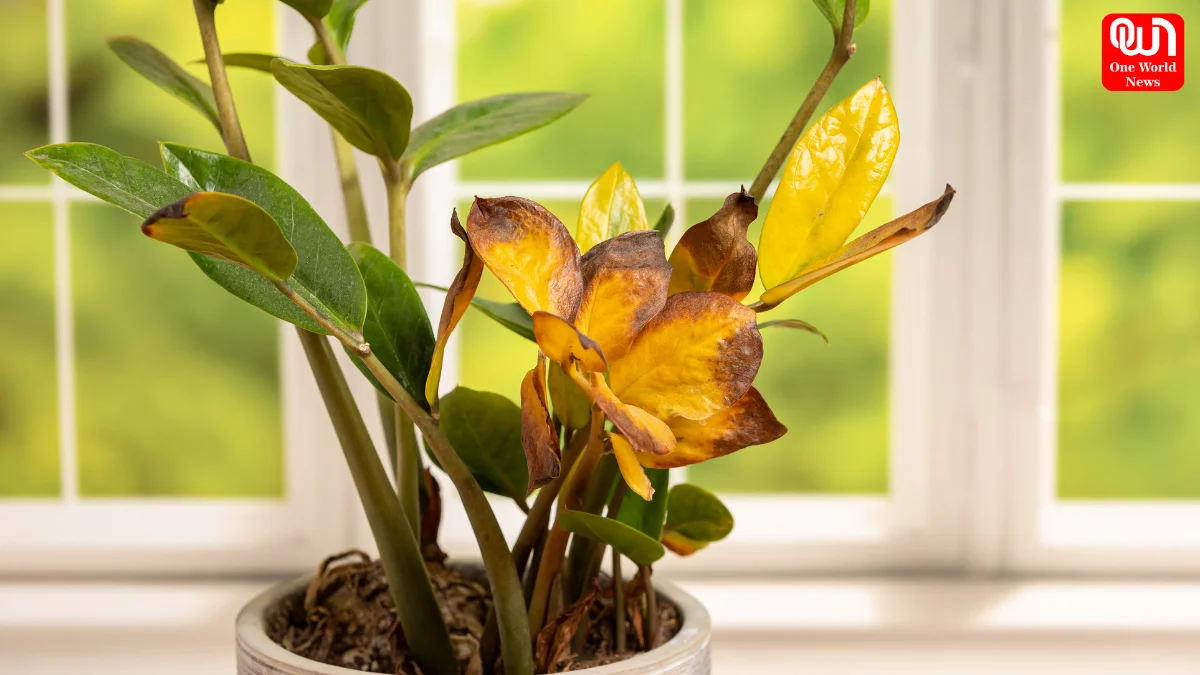
Yellow Leaves on Your Plants? Try These Kitchen Waste Hacks Before It’s Too Late
Have you noticed Yellow Leaves Plants in your home garden or indoor pots? Yellow leaves are often the first sign that your plants are struggling. While many gardeners immediately reach for chemical fertilizers, the solution may already be sitting in your kitchen. Simple Kitchen Waste Hacks can provide essential nutrients, improve soil health, and help restore your plants naturally.
Yellowing leaves can occur due to nutrient deficiencies, overwatering, poor drainage, lack of sunlight, or soil exhaustion. Before your plant’s condition worsens, try these easy and eco-friendly remedies that use common kitchen waste.
Why Do Plant Leaves Turn Yellow?
Plants need a balanced supply of nutrients, especially nitrogen, potassium, magnesium, and calcium. When these nutrients become unavailable, leaves often lose their green color and turn yellow. Stress caused by improper watering or compacted soil can also contribute to yellowing.
Fortunately, many household scraps contain valuable nutrients that plants can use when applied correctly. Research and gardening experts suggest that composted kitchen waste such as banana peels, eggshells, tea leaves, and vegetable scraps can enrich soil and support healthier plant growth.
1. Banana Peel Fertilizer for Yellow Leaves Plants
Banana peels are rich in potassium and phosphorus, which help support healthy roots, flowers, and overall plant growth. Instead of throwing them away, dry the peels and grind them into a powder or add them to your compost pile.
You can also soak banana peels in water for a few days and use the diluted liquid around the base of your plants. Potassium-rich fertilizers are especially useful for flowering and fruiting plants.
Read more: World Gratitude Day 2026: History, Significance, Celebration Ideas & Benefits
2. Crushed Eggshells for Calcium Boost
Eggshells are packed with calcium carbonate, an important nutrient that strengthens plant cell walls and supports healthy growth. Wash and dry the shells, crush them into small pieces, and mix them into the soil around your plants.
This simple Kitchen Waste Hack can help improve soil quality over time and provide a steady source of calcium. Eggshells are commonly used in compost and organic gardening practices.
3. Rice Water for Quick Plant Nutrition
The water left after washing rice contains starch and trace minerals that can benefit plants. Allow the rice water to cool completely and use it to water your plants once every week.
Many gardeners use rice water to encourage greener foliage and stronger root development. Make sure the water does not contain salt, spices, or oil before applying it.
4. Used Tea Leaves to Improve Soil Health
Used tea leaves are another excellent addition to your garden. When mixed into compost or soil, they add organic matter and help improve moisture retention.
Before use, ensure the tea leaves are free from milk and sugar. Tea leaves can slowly enrich the soil and support healthier plant growth over time.
5. Vegetable Peel Compost
Vegetable peels contain various nutrients that become available to plants once composted. Instead of sending them to the trash, collect peels from carrots, potatoes, cucumbers, and other vegetables and add them to a compost bin.
The resulting compost improves soil structure, enhances nutrient availability, and promotes healthy root systems. This is one of the most effective long-term Kitchen Waste Hacks for maintaining vibrant plants.
6. Coffee Grounds for Nitrogen
Used coffee grounds can add organic matter and nitrogen to soil. However, moderation is important because excessive amounts may affect soil balance.
Mix small quantities into compost or blend them with garden soil for best results. Coffee grounds are particularly useful for leafy plants that require additional nitrogen.
Tips to Prevent Yellow Leaves in Plants
- Water plants only when needed.
- Ensure pots have proper drainage holes.
- Provide adequate sunlight based on plant requirements.
- Use compost regularly to replenish nutrients.
- Remove completely dead leaves while monitoring overall plant health.
- Check for pests and fungal diseases regularly.
Read more: World Mini Golf Day 2026: Date, History, Significance, Fun Activities & Celebration Guide
Conclusion
When you notice Yellow Leaves Plants, don’t panic. Often, your kitchen holds simple and affordable solutions that can help revive struggling plants. These Kitchen Waste Hacks not only reduce household waste but also provide valuable nutrients that support healthy growth. From banana peels and eggshells to rice water and vegetable compost, natural remedies can make a noticeable difference when used consistently. Start using these eco-friendly gardening tips today and give your plants the care they deserve.
We’re now on WhatsApp. Click to join.
Like this post?
Register at One World News to never miss out on videos, celeb interviews, and best reads.