30 September Jago Voter Jago: Pratap Singh Kairon Controversy – Corruption Allegations, the Das Commission Inquiry and Political Accountability
Pratap Singh Kairon Controversy: Explore the 1963 Das Commission inquiry, corruption allegations, resignation and lessons on political accountability.

30 September Jago Voter Jago: Pratap Singh Kairon Controversy, 1963 Das Commission Inquiry, Political Accountability and Lessons for Indian Voters
What happens when a powerful political leader faces serious allegations of corruption, misuse of government machinery, and favouritism towards family members? Are allegations alone enough to establish wrongdoing, or should an independent inquiry examine the evidence and determine the facts?
For 30 September’s Jago Voter Jago feature, we revisit the Pratap Singh Kairon Controversy, an important episode in Indian political history. The controversy raised significant questions about public office, administrative accountability, the use of government resources, and the role of independent investigations in a democracy.
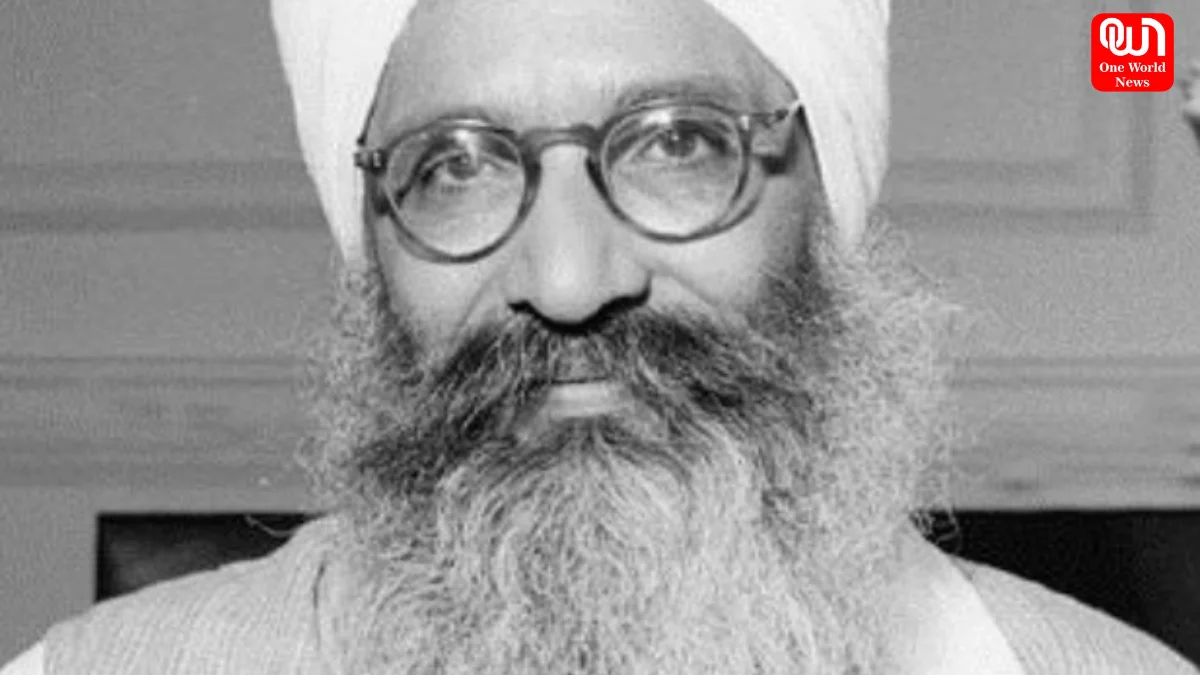
Pratap Singh Kairon was the Chief Minister of Punjab and one of the prominent Congress leaders during the 1960s. Allegations concerning his family’s interests, the alleged misuse of official influence, and administrative irregularities attracted considerable public and political attention. The Central Government subsequently appointed an inquiry commission headed by Justice Sudhi Ranjan Das.
Read more: Shiv Sena UBT Leader Murder: CCTV Captures Masked Men Before Attack; 2 Arrested
Who Was Pratap Singh Kairon? Punjab’s Influential Chief Minister
Pratap Singh Kairon was a prominent political figure during the early decades of independent India. As Punjab’s Chief Minister, he played an influential role in the state’s political and administrative affairs.
However, his leadership also became the subject of controversy when allegations emerged concerning the alleged misuse of government influence, favouritism towards family members, and irregularities in administrative processes.
It is important to distinguish between allegations made against a public figure and findings established through an inquiry. The historical significance of the Kairon controversy lies partly in how these questions were examined through a formal investigation.
Pratap Singh Kairon Controversy: How Did the Allegations Emerge?
The allegations against Kairon included claims involving the misuse of official influence, alleged benefits to family members, and irregularities in administrative dealings.
These concerns had attracted political attention before the formal commission was established. In 1958, a Congress-appointed inquiry committee examined certain matters involving Kairon’s family and administrative practices. Historical records also reflect differing interpretations of the committee’s findings and the extent of Kairon’s personal responsibility.
The controversy eventually led to a formal inquiry, bringing an important democratic question into focus: How should elected leaders be held accountable for the use of their public office and official influence?
Justice Sudhi Ranjan Das Commission: The 1963 Independent Inquiry
On 1 November 1963, the Central Government appointed Justice Sudhi Ranjan Das to head a one-member Commission of Inquiry under the Commissions of Inquiry Act, 1952.
The commission was tasked with examining allegations contained in a memorandum submitted against Pratap Singh Kairon, including relevant transactions and circumstances.
The inquiry proceedings were conducted in New Delhi, and the commission submitted its report on 11 June 1964.
The inquiry was significant because it moved the controversy beyond political statements and examined specific allegations through a formal investigative process.
Das Commission Report 1964: What Did the Inquiry Reveal?
The commission’s report recorded findings concerning Kairon’s involvement in several specific matters. Parliamentary discussions particularly focused on findings relating to the alleged misuse of government machinery and the use of official influence in matters involving family members.
The report also became the subject of political debate in Parliament. While some members highlighted the seriousness of the findings and their implications for public accountability, others questioned aspects of the allegations and how the conclusions should be interpreted.
Therefore, it would be historically inaccurate to present every allegation against Kairon as personally established wrongdoing. A fair understanding of the controversy requires distinguishing between specific findings of the commission and broader political allegations.
June 1964: Resignation as Punjab Chief Minister
Following the commission’s report, the political situation reached a significant turning point. On 14 June 1964, Pratap Singh Kairon resigned as Punjab’s Chief Minister. His Council of Ministers also submitted its resignation. This development was recorded in the Rajya Sabha proceedings of November 1964.
The episode became an important example in discussions about political accountability in India. It raised questions about how responsibility should be addressed when serious allegations are made against the head of an elected government and an inquiry produces adverse findings.
However, the resignation should not be interpreted as judicial confirmation of every allegation. An inquiry report, political accountability, and criminal conviction are distinct legal and administrative matters.
Reality Check: Allegations, Findings and Political Differences
A balanced understanding of the Pratap Singh Kairon Controversy requires keeping three important points in mind.
First, serious allegations were raised against Kairon, leading to the appointment of a formal inquiry commission.
Second, the commission recorded adverse findings in specific matters, including questions concerning the improper use of government arrangements and official influence in family-related matters.
Third, the interpretation of the commission’s report and its conclusions became a subject of political disagreement in Parliament. Therefore, the controversy should not be reduced to either a political accusation or an oversimplified, one-sided conclusion.
In a democracy, fairness requires examining the seriousness of allegations, respecting the findings of formal inquiries, and avoiding conclusions that go beyond the available evidence.
Jago Voter Jago: Lessons for Today’s Voters
The purpose of the 30 September Jago Voter Jago feature is not simply to revisit a historical controversy. It is also to encourage citizens to think about accountability in contemporary democratic governance.
When a candidate visits your home and promises development, employment, education, healthcare, or better administration, remember to ask questions about accountability as well.
Here are some important questions voters can raise:
-
How will the use of public funds be monitored?
-
How will government schemes reach eligible citizens without favouritism?
-
What measures will ensure the impartial functioning of government officials and administrative machinery?
-
How will conflicts of interest, nepotism, and undue influence be prevented?
-
How transparent will the process for investigating complaints and taking action be?
These questions are not limited to any particular political party or leader. They concern the fundamental principles of public service, transparency, and democratic accountability.
Read more: Gold & Silver Prices Today: Veronica’s Bullion Market Update – October 30
Conclusion: Why Asking Questions Matters in Democracy
The Pratap Singh Kairon Controversy remains an important episode in Indian political history because it highlights the relationship between political power, administrative influence, independent inquiries, and public accountability.
The establishment of the Das Commission in 1963, its report in June 1964, and Kairon’s subsequent resignation are significant milestones in this historical episode. At the same time, the differing interpretations recorded during parliamentary discussions remind us that historical controversies must be understood through evidence and context.
The central message of Jago Voter Jago is that democracy does not end with casting a vote. Citizens have both the right and responsibility to question their representatives, monitor the use of public resources, and demand transparent governance.
Because in a democracy, asking questions is not just a right—it is the first step towards accountability.
We’re now on WhatsApp. Click to join.
Like this post?
Register at One World News to never miss out on videos, celeb interviews, and best reads.