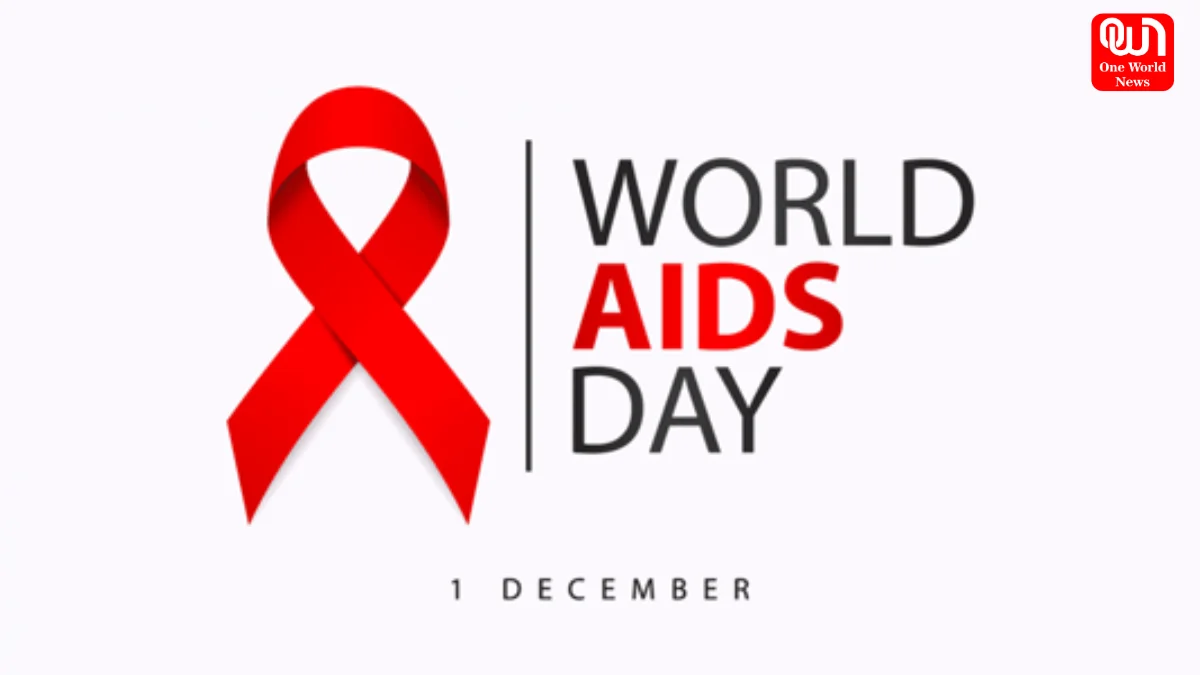
World AIDS Day 2026
World AIDS Day 2026 highlights HIV awareness, prevention, testing, treatment, equality and global efforts to end AIDS as a public health threat.

World AIDS Day 2026: Date, Significance, History, HIV Awareness, Prevention, Treatment and Global Action
World AIDS Day 2026 will be observed on Tuesday, December 1, 2026. Every year, this international health observance brings people together to raise awareness about HIV and AIDS, show solidarity with people living with HIV, remember those who have died from AIDS-related illnesses, and encourage continued action on prevention, treatment and care. The World Health Organization (WHO) recognizes December 1 as World AIDS Day and describes it as an important opportunity to promote progress in HIV prevention, diagnosis, treatment and care.
World AIDS Day is more than an annual awareness event. It provides an opportunity for communities, healthcare professionals, governments, organizations and individuals to discuss HIV openly, challenge misinformation and support efforts to reduce stigma and discrimination.
When Is World AIDS Day 2026?
World AIDS Day 2026 falls on Tuesday, December 1, 2026. The observance takes place on December 1 every year and is a United Nations-recognized international observance.
The day can be marked through educational programs, awareness campaigns, community events, discussions, testing initiatives, fundraising activities and social media campaigns. Wearing the internationally recognized red ribbon is also a common way to express solidarity with people affected by HIV and AIDS.
Why Is World AIDS Day Important?
The importance of World AIDS Day 2026 lies in keeping HIV awareness and action at the center of global public health discussions. Although major advances have been made in HIV prevention and treatment, HIV continues to affect millions of people worldwide.
According to WHO’s July 2026 fact sheet, an estimated 41.0 million people were living with HIV at the end of 2025, while an estimated 1.2 million people acquired HIV during 2025. WHO also reports that effective antiretroviral therapy has transformed HIV into a manageable chronic health condition for people who have access to appropriate treatment and care.
World AIDS Day therefore encourages people to learn the facts, seek appropriate healthcare services and support a world where everyone can access prevention, testing and treatment without discrimination.
Understanding HIV And AIDS
HIV stands for human immunodeficiency virus, a virus that attacks the body’s immune system. AIDS, or acquired immunodeficiency syndrome, refers to the most advanced stage of HIV infection. Without appropriate treatment, HIV can progressively weaken the immune system and increase the risk of serious illnesses.
HIV can be transmitted through certain infected body fluids, including blood, semen, vaginal fluids and breast milk. It is important to understand that HIV is not transmitted through ordinary social contact such as hugging, kissing or sharing food. Accurate information is essential because misconceptions can contribute to unnecessary fear and stigma.
Read more: Best Essential Oils for Better Sleep: Essential Oils for Better Sleep & Improving Sleep Naturally
HIV Prevention, Testing And Treatment
A central message of World AIDS Day 2026 is the importance of accessible HIV prevention, testing and treatment services. Prevention strategies can include evidence-based approaches such as condoms, HIV testing, pre-exposure prophylaxis (PrEP), prevention of mother-to-child transmission and other appropriate public-health interventions.
Testing helps people understand their HIV status and, when needed, connect with healthcare services. For people living with HIV, antiretroviral therapy (ART) can control the virus and support long-term health. WHO notes that effective treatment can enable people living with HIV to live long and healthy lives.
Ending HIV-Related Stigma And Discrimination
Awareness is also about creating a supportive environment for people living with HIV. Stigma and discrimination can discourage people from seeking testing, treatment and healthcare services. World AIDS Day provides an opportunity to replace myths with facts and promote dignity, compassion and equality.
The UNAIDS Global AIDS Strategy 2026–2031 emphasizes reducing inequalities, protecting rights and strengthening community leadership as important parts of the global response. The strategy maintains the goal of ending AIDS as a public health threat by 2030.
World AIDS Day 2026 And The Goal For 2030
The global HIV response is entering an important period as countries work toward the goal of ending AIDS as a public health threat by 2030. The UNAIDS 2026–2031 strategy focuses on sustainable, people-centered and country-led responses, while emphasizing equitable access to prevention, testing, treatment and care.
For World AIDS Day 2026, this means continuing to turn awareness into meaningful action. Governments, healthcare systems, community organizations and individuals all have a role in supporting accessible services, accurate education and evidence-based HIV responses.
How To Observe World AIDS Day 2026
There are many meaningful ways to participate in World AIDS Day 2026, including:
- Learn and share accurate information about HIV and AIDS.
- Encourage HIV awareness and responsible prevention.
- Support organizations working in HIV prevention and care.
- Participate in educational or community events.
- Wear a red ribbon as a symbol of solidarity.
- Help challenge HIV-related myths and discrimination.
- Encourage people to use appropriate healthcare and testing services.
Read more: LDL or Non-HDL Cholesterol: Which Is More Important? What Is a Good LDL Level by Age?
Conclusion
World AIDS Day 2026 is an opportunity to remember the impact of HIV and AIDS while recognizing the progress achieved through science, healthcare and community action. Observed on December 1, 2026, the day encourages greater awareness, prevention, testing, treatment, equality and support for people living with HIV.
As the world works toward the 2030 goal of ending AIDS as a public health threat, continued commitment to accessible services, human rights, community leadership and stigma-free healthcare remains essential. World AIDS Day reminds us that informed action and global solidarity can help create a healthier and more inclusive future.
We’re now on WhatsApp. Click to join.
Like this post?
Register at One World News to never miss out on videos, celeb interviews, and best reads.