Varicose Veins: Understanding a Common Condition Beyond the Fear
Varicose Veins are a common condition affecting millions worldwide. Learn what causes them, who is at risk, and why they’re often misunderstood.

Varicose Veins: Understanding a Common Condition Beyond the Fear and Misconceptions
For many people, the term Varicose Veins immediately brings images of swollen, twisted veins and concerns about pain or serious health risks. While they are often misunderstood and sometimes feared, varicose veins are actually a very common condition that affects millions of people worldwide. Understanding what they are, why they occur, and when they matter can help replace fear with clarity.
What Are Varicose Veins?
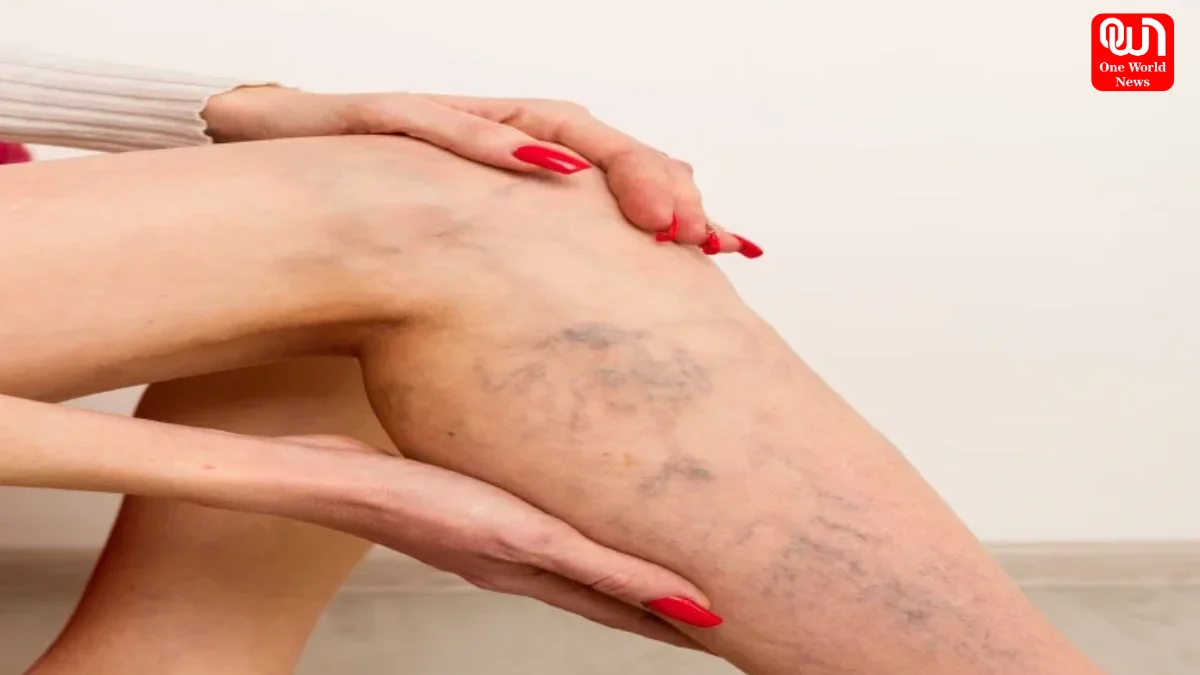
Varicose veins are enlarged, twisted veins that usually appear on the legs and feet. They develop when the valves inside the veins stop working properly, allowing blood to pool rather than flow smoothly back toward the heart. This pooling causes veins to stretch and become visibly raised under the skin.
Although they are often seen as a cosmetic issue, varicose veins are fundamentally related to circulation and vein health.
Why Varicose Veins Develop
The human circulatory system relies on gravity-defying work, especially in the legs. Veins must push blood upward, and small one-way valves help prevent backflow. When these valves weaken or fail, blood can collect in the veins, leading to varicose veins.
Several factors can increase the likelihood of developing varicose veins. Genetics plays a significant role — if they run in your family, the risk is higher. Age is another major factor, as vein elasticity naturally decreases over time. Prolonged standing or sitting, which puts pressure on leg veins, can also contribute.
read more: Global Movie Day 2026: A Celebration of Stories on Screen
Who Is Most Affected?
Varicose veins can affect people of all ages, but they are more common among adults and older individuals. Women are more likely to develop them due to hormonal changes that affect vein walls, particularly during pregnancy.
Occupations that involve long hours of standing, such as teaching, retail, or healthcare, may increase risk. A sedentary lifestyle, obesity, and lack of regular movement can also place additional strain on leg veins.
Symptoms Beyond Appearance
Not everyone with varicose veins experiences discomfort. For many, they are painless and pose no immediate health risk. However, some individuals may notice symptoms such as aching, heaviness, swelling, or a feeling of fatigue in the legs, especially after long periods of standing.
In more pronounced cases, symptoms may worsen over time if left unmanaged. This is why understanding varicose veins beyond their appearance is important.
Common Myths and Misconceptions
One of the biggest misconceptions is that varicose veins are always dangerous. In reality, many cases are mild and manageable. Another common myth is that they only affect older people, when in fact younger adults can also develop them.
There is also a belief that nothing can be done about varicose veins. While prevention and management depend on individual circumstances, lifestyle changes can play a role in reducing discomfort and slowing progression.
Managing Varicose Veins in Daily Life
Simple lifestyle habits can support vein health. Regular movement helps promote blood circulation, especially activities like walking. Avoiding long periods of sitting or standing without breaks can also reduce pressure on the veins.
Maintaining a healthy weight may ease strain on the legs, while elevating the legs during rest can support blood flow. These everyday practices are often recommended as part of general wellness rather than as medical treatment.
Read more: Yash Birthday 2026: Date, Journey, and Why Fans Celebrate Him Worldwide
When Awareness Matters
While many people live comfortably with varicose veins, awareness becomes important when symptoms change or worsen. Persistent pain, swelling, or skin changes around the veins may indicate the need for professional evaluation.
Understanding the condition helps individuals recognize what is normal and what deserves attention, reducing unnecessary anxiety while promoting informed decisions.
Looking Beyond Fear
The fear surrounding varicose veins often comes from misinformation or exaggerated portrayals. In reality, they are a widespread condition linked to how the human body functions over time. Knowledge replaces fear with perspective.
By understanding varicose veins as a common circulatory issue rather than a cause for alarm, people can approach the condition with confidence and clarity.
A Condition, Not a Definition
Varicose veins do not define health, beauty, or quality of life. They are simply one of many ways the body adapts to time, gravity, and movement. With awareness and balanced care, most people can manage them without fear.
Understanding Varicose Veins is the first step toward replacing uncertainty with reassurance — and recognizing that common conditions do not have to be intimidating.
We’re now on WhatsApp. Click to join.
Like this post?
Register at One World News to never miss out on videos, celeb interviews, and best reads.