Tap Water Vs RO Water: Expert Explains Which Is Harmful
Tap Water Vs RO Water explained by experts — learn differences, health impacts, mineral effects, purification, and what’s safest for drinking.

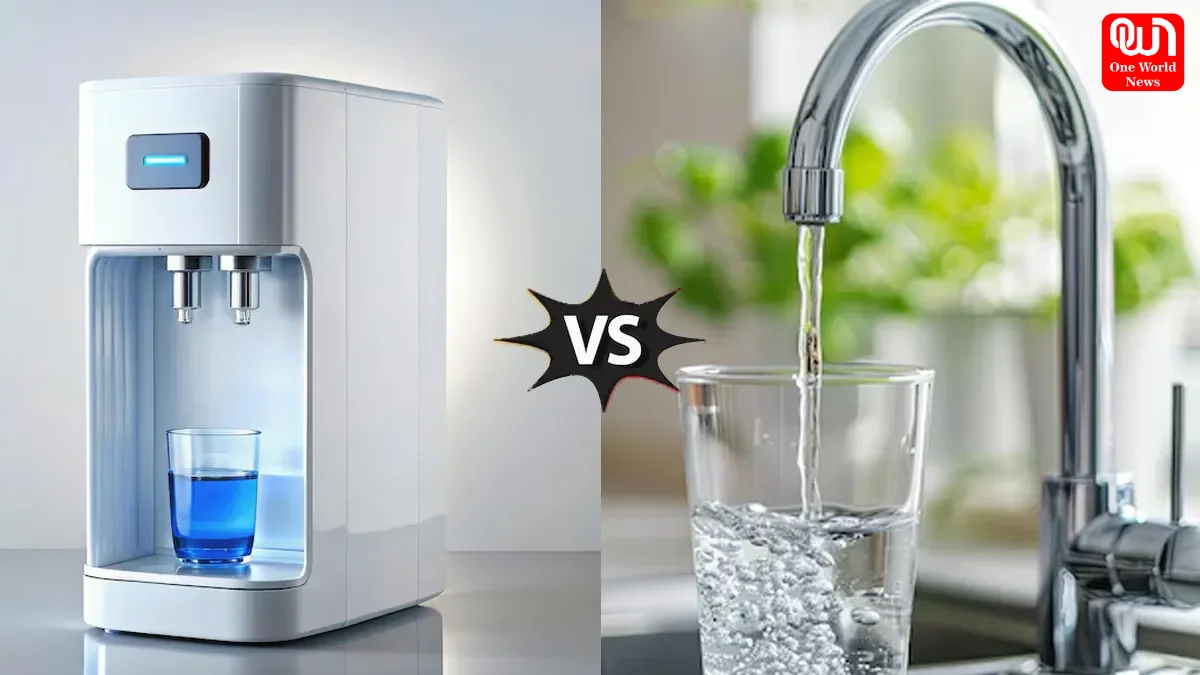
Tap Water Vs RO Water: Expert Explains Which of These Can Be Harmful for You and How to Choose Safely
Water is essential to life, but not all drinking water is the same. When deciding between tap water and RO water, many people wonder which option is safer, healthier, and better for everyday use. Experts say the answer isn’t one-size-fits-all — it depends on where you live, water quality, and your health needs. Here’s a clear, expert-informed breakdown of the Tap Water Vs RO Water debate, what the differences are, and how each can affect you.
What Is Tap Water?
Tap water is the water that comes directly from municipal supplies, wells, or public water systems and flows out of your faucet. It is treated to meet safety standards for drinking water and is widely accessible in many parts of the world. However, the quality of tap water can vary widely based on local infrastructure, sources, and treatment processes.
In many regions, tap water is disinfected with chemicals like chlorine to kill harmful microbes. While this makes water safer, it can also react with organic matter to form disinfection byproducts — some of which have been linked with health risks in long-term exposure.
Tap water may also contain trace amounts of contaminants such as heavy metals, lead from old pipes, or other chemicals depending on local conditions. This doesn’t necessarily mean the water is unsafe, but in areas with older infrastructure or poor treatment systems, the risk of contaminants increases.
What Is RO Water?
RO (Reverse Osmosis) water is water that has been passed through a semipermeable membrane that traps particles larger than water molecules. This process removes many impurities including dissolved salts, heavy metals, bacteria, viruses, fluoride, and chemical contaminants.
Experts note that RO purification is a highly effective way to reduce harmful substances that may be present in tap water. Systems can remove over 90% of contaminants, making RO water one of the purer options for drinking water.
Comparing Purity and Safety
One of the biggest differences between tap water and RO water is the level of purification. Tap water is generally treated to be safe, but can still contain trace elements of contaminants, depending on local water quality. RO filtration goes further by eliminating a wider range of dissolved substances, making it particularly useful in areas where tap water may carry impurities.
However, the RO process also removes beneficial minerals like calcium, magnesium, and potassium — minerals that are naturally found in water and contribute to nutritional balance. While losing these minerals doesn’t make the water unsafe, relying exclusively on demineralized water without a balanced diet may affect overall mineral intake over the long term.
Health Impacts to Consider
Both options have health considerations:
Tap Water
-
Pros: Usually safe when properly treated and regulated; minerals remain in the water.
-
Cons: May contain trace contaminants depending on treatment quality and infrastructure.
RO Water
-
Pros: Removes a broad spectrum of harmful contaminants — useful where tap water quality is uncertain.
-
Cons: Removes beneficial minerals, which may lead to lower mineral intake unless compensated by diet or remineralization filters.
-
Cons: RO systems typically waste water during processing, which is a concern in water-scarce areas.
Experts often recommend that the choice between tap water and RO water should be guided by specific local water quality data. If tap water is properly treated and tested — meaning it meets strict safety standards — it generally provides safe and balanced hydration without the need for extensive purification.
Rea more: Emmanuel Macron At India AI Summit Praises India’s Unique Digital System
When RO Water Is a Better Option
RO water may be a better choice when:
-
Tap water quality is poor or uncertain.
-
There are known contaminants like heavy metals, industrial chemicals, or high total dissolved solids (TDS).
-
Individuals have weakened immune systems or specific health vulnerabilities.
In these cases, RO filtration can offer peace of mind by providing cleaner water with fewer impurities.
When Tap Water Is Enough
If your tap water comes from a reliable source and regularly meets safety standards, it may be perfectly fine for everyday use. Simple carbon filters or pitcher filters can also improve taste and reduce certain chemicals without stripping out minerals.
You can also have your water tested to understand exactly what’s in your supply — this helps determine if additional filtration is necessary.
Read more: Political Roundup Feb 20, 2026: Key Stories You Need to Know
Final Thoughts on Tap Water Vs RO Water
Neither option is universally “harmful” on its own. Tap water is generally safe in areas with strong water treatment infrastructure, while RO water provides extra protection where water quality is questionable. Both choices have trade-offs: tap water keeps beneficial minerals, and RO water excels at removing contaminants.
Your best choice depends on the quality of your local water supply, your personal needs, and how you balance purity with mineral content. Consulting water quality reports and testing your water can help guide the most informed decision for your household.
Understanding Tap Water Vs RO Water ensures you choose drinking water that’s both safe and suitable for you.
We’re now on WhatsApp. Click to join.
Like this post?
Register at One World News to never miss out on videos, celeb interviews, and best reads.