British Prime Minister Keir Starmer Announces Resignation Amid Labour Revolt: “I Have Heard The Answer”
British Prime Minister Keir Starmer announces resignation amid Labour pressure, saying "I have heard the answer." Read the latest UK political update.

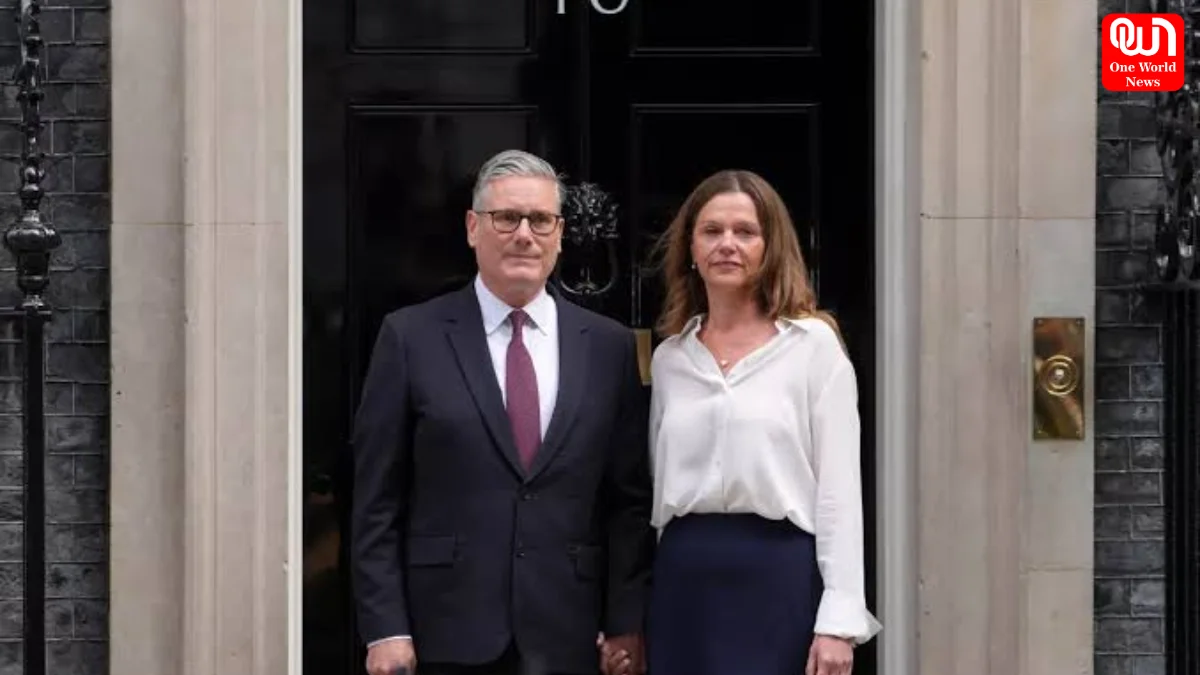
Keir Starmer Quits As British PM Amid Mounting Labour Pressure, Says “I Have Heard The Answer”
In a dramatic development that has shaken British politics, British Prime Minister Keir Starmer announces resignation after facing growing pressure from members of his own Labour Party. The announcement comes less than two years after Starmer led Labour to a historic election victory and entered Downing Street with promises of stability, economic recovery, and political change. Reports indicate that increasing dissatisfaction within the party, poor electoral performances, and declining public support ultimately led to his decision to step down.
Speaking during an emotional address, Starmer acknowledged the concerns of Labour lawmakers and supporters, stating that he had listened carefully to the message being sent by the party. His statement, “I have heard the answer,” quickly became the defining phrase of his resignation speech and signaled the end of his tenure as Prime Minister.
Why Did Keir Starmer Resign?
The resignation follows months of political turbulence within the Labour Party. Several Labour MPs reportedly questioned Starmer’s ability to lead the party into the next general election after disappointing local election results and falling approval ratings. Internal disagreements over policy decisions and leadership style further intensified pressure on the Prime Minister.
Many party members feared Labour could lose ground to opposition parties if leadership changes were not made quickly. As calls for a transition grew louder, Starmer ultimately accepted that many within his party wanted a new direction.
From Historic Election Victory to Leadership Crisis
When Keir Starmer led Labour to victory in the 2024 General Election, many believed he would usher in a new era of British politics. His leadership helped Labour return to power after years in opposition, ending a long period of Conservative government.
read more: 22 June Veronica Gold Update: Gold and Silver Prices Surge Today, Bullion Market Sees Fresh Momentum
However, the challenges of governing quickly became apparent. Economic pressures, public service concerns, immigration debates, and controversial political appointments created significant difficulties for the government. Critics argued that Starmer struggled to maintain a clear political vision, while supporters maintained that he inherited a difficult national situation.
The combination of policy reversals, internal disputes, and poor electoral performances eventually weakened his authority within the party.
What Happens Next for the Labour Party?
With the resignation confirmed, attention has immediately shifted to the Labour leadership race. Several senior figures are expected to play important roles in determining the party’s future direction.
Reports suggest that Andy Burnham has emerged as one of the leading contenders to succeed Starmer. Political observers believe the leadership transition could happen relatively quickly to ensure stability within both the Labour Party and the British government.
Until a new leader is selected, Starmer is expected to remain in a caretaker role to oversee an orderly transfer of power.
Impact on British Politics
The resignation marks another significant chapter in the United Kingdom’s recent political history. Britain has experienced several leadership changes over the past decade, and Starmer’s departure continues that trend of political volatility.
Political analysts believe the leadership contest will influence not only Labour’s future but also the broader direction of British politics. Key issues such as economic growth, healthcare, immigration, and international relations are expected to dominate discussions as the party selects its next leader.
Public and Political Reactions
Reaction to the announcement has been mixed. Some Labour supporters expressed disappointment, highlighting Starmer’s efforts to return the party to government after years in opposition. Others argued that a leadership change was necessary to improve Labour’s chances in future elections.
Opposition parties have already begun responding to the news, with critics claiming the resignation reflects deeper problems within the government. Meanwhile, Labour leaders are emphasizing the need for unity and a smooth transition process.
Conclusion
The announcement that British Prime Minister Keir Starmer announces resignation represents a major turning point for the United Kingdom and the Labour Party. After months of mounting pressure and political uncertainty, Starmer chose to step aside, acknowledging the demands for new leadership within his party. As Britain prepares for another leadership transition, attention will now focus on who succeeds him and how the next Prime Minister addresses the country’s pressing challenges.
We’re now on WhatsApp. Click to join.
Like this post?
Register at One World News to never miss out on videos, celeb interviews, and best reads.