Trump Claims Progress On Iran Peace Deal. The Real Battle Is Over These Five Issues
Trump says progress is being made on an Iran peace deal, but disputes over uranium, sanctions, Hormuz, and security remain.

Trump Says Iran Peace Deal Is Close, But These Five Major Issues Could Still Derail Negotiations
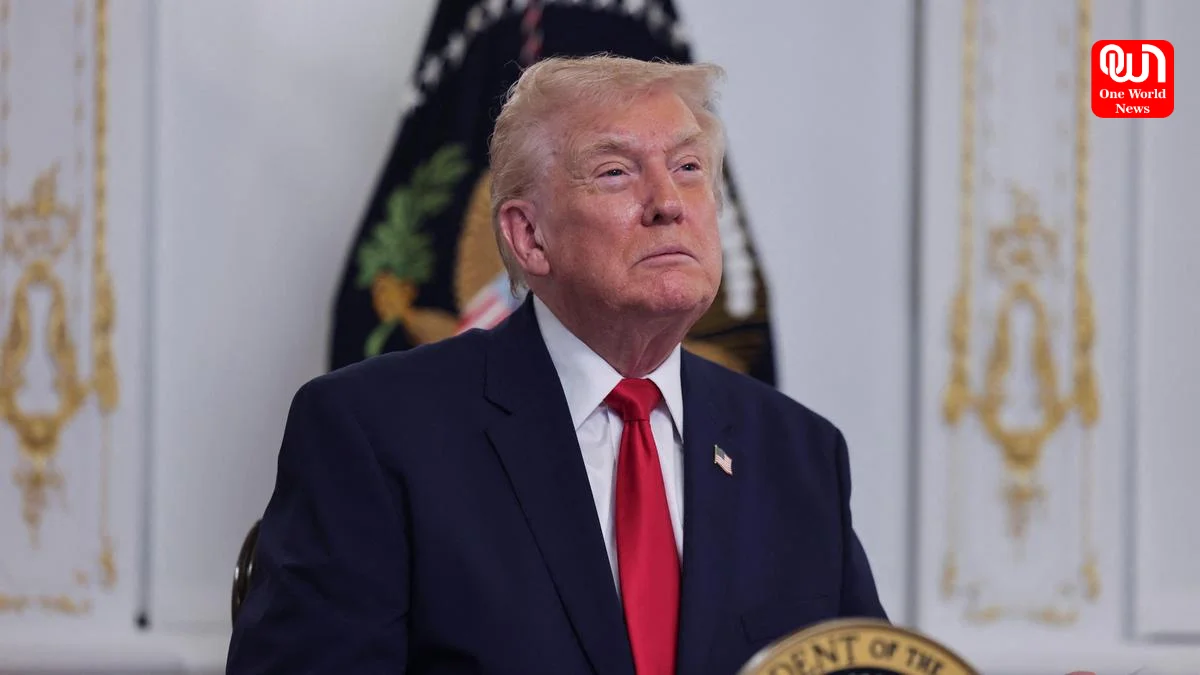
Former US President Donald Trump has claimed that negotiations with Iran are moving toward a possible peace agreement. Reports suggest discussions are focused on reopening the Strait of Hormuz, easing sanctions, and reducing tensions in the Middle East. However, despite Trump’s optimistic statements, experts believe the toughest part of the negotiations is still unresolved.
The proposed agreement has already sparked global attention because the outcome could impact oil prices, international trade, regional security, and nuclear diplomacy. While Trump insists progress is happening, the real challenge lies in solving five major disputes that continue to divide Washington and Tehran.
1. Iran’s Nuclear Program Remains The Biggest Obstacle
The most serious issue in the talks is Iran’s nuclear program. The United States wants Iran to stop enriching uranium and reduce its nuclear stockpile. Iran, however, argues that its nuclear activities are for peaceful energy purposes and refuses to completely give up enrichment rights.
Reports indicate that the US is demanding strict controls on Iran’s enriched uranium. Some discussions even involve transferring uranium to a third country. Iran has shown limited openness, but negotiators are still far from a final compromise.
This issue is critical because any disagreement on nuclear policy could collapse the entire peace process.
2. The Strait Of Hormuz Crisis
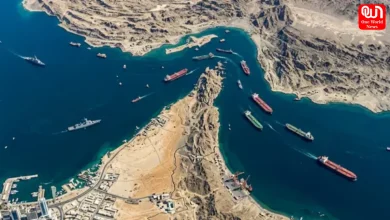
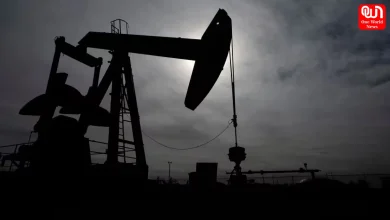
Another major battle centers on the Strait of Hormuz, one of the world’s most important oil shipping routes. Nearly one-fifth of global oil supplies pass through this narrow waterway. Recent tensions and restrictions have disrupted energy markets and increased fears of economic instability.
Trump has claimed that the proposed deal could reopen the Strait and restore normal shipping operations. However, Iran reportedly wants guarantees regarding security and economic concessions before fully reopening access.
If this issue is resolved, oil markets could stabilize quickly. If negotiations fail, energy prices may continue to remain volatile worldwide.
read more: Political Roundup: Massive Arms Recovery in Manipur Sparks Nationwide Security Debate
3. Sanctions Relief And Frozen Assets
Iran is demanding the removal of US sanctions and access to billions of dollars in frozen assets. Tehran believes economic relief must happen immediately as part of any peace agreement.
The US side, however, wants Iran to first meet strict security and nuclear conditions before sanctions are lifted. Trump has reportedly insisted that no major relief will happen until Iran fully complies with the proposed terms.
This disagreement has become one of the toughest negotiation points because both sides want guarantees before making concessions.
4. Regional Security And Proxy Groups
The talks are not only about Iran and the United States. Regional conflicts involving groups such as Hezbollah and the Houthis are also creating complications. The US and its allies want Iran to reduce support for armed groups operating across the Middle East.
Iran argues that regional resistance groups are separate from the nuclear negotiations and should not be part of the deal. This disagreement could significantly slow down progress because neighboring countries remain deeply concerned about regional security threats.
5. Political Opposition Inside The US And Iran
Even if negotiators reach an agreement, political resistance on both sides could still block the deal. Several Republican leaders have criticized Trump’s approach, warning that the agreement may give Iran too many advantages.
Inside Iran, hardline groups are also skeptical about trusting the United States. Many fear that future US administrations could abandon another agreement just like Washington withdrew from the 2015 Iran nuclear deal.
Because of this political pressure, negotiators face challenges beyond diplomacy alone.
Can Trump Actually Deliver A Peace Deal?
Trump continues to present the negotiations as a major diplomatic breakthrough. However, analysts believe the path to a final agreement remains uncertain. Key disputes involving uranium enrichment, sanctions, oil routes, and regional security still require compromise from both nations.
While progress may be happening behind closed doors, the coming weeks will determine whether these talks produce lasting peace or become another failed chapter in US-Iran relations.
We’re now on WhatsApp. Click to join.
Like this post?
Register at One World News to never miss out on videos, celeb interviews, and best reads.