Fuel Price Hike: Petrol Up 87 Paise, Diesel Costlier By 91 Paise, CNG By Rs 1 In Third Increase Within 10 Days
Fuel Price Hike continues as petrol, diesel and CNG rates rise again in the Third Increase Within 10 Days across India.

Fuel Price Hike Continues: Petrol Up 87 Paise, Diesel Costlier By 91 Paise And CNG By Rs 1 In Third Increase Within 10 Days Across India
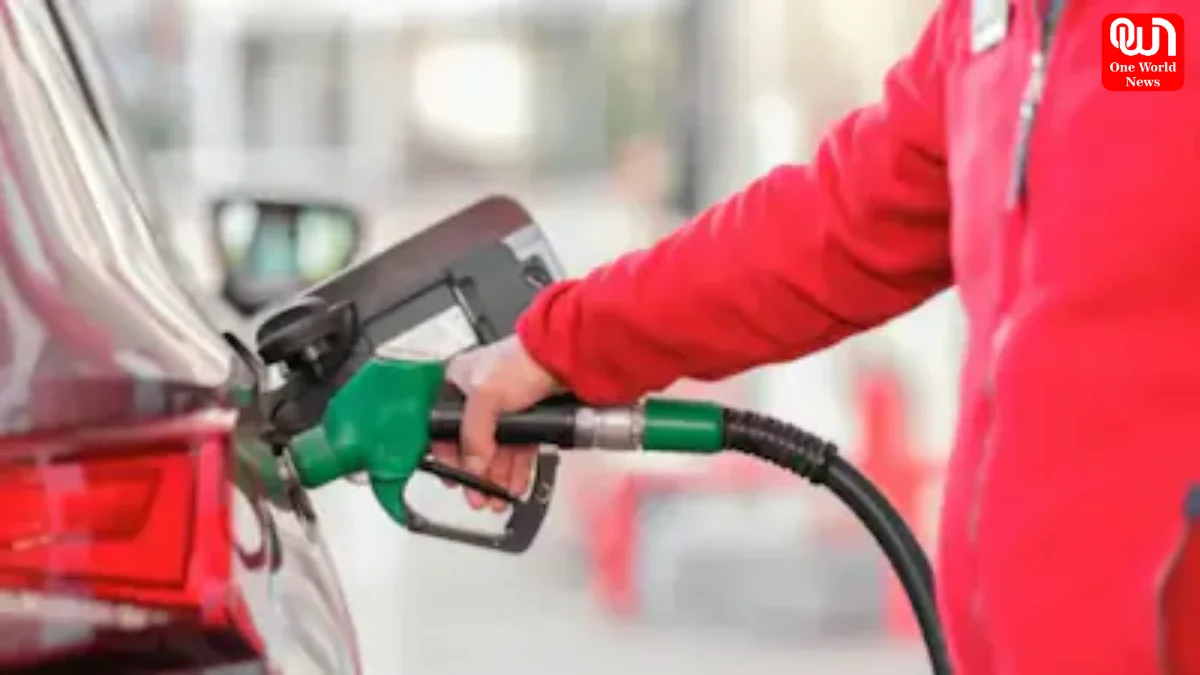
The latest Fuel Price Hike has once again impacted consumers across India as petrol prices increased by 87 paise per litre, diesel became costlier by 91 paise, and CNG prices rose by Rs 1. This marks the Third Increase Within 10 Days, creating concerns among middle-class families, transport operators, and businesses that rely heavily on fuel consumption.
With inflation already affecting food, transportation, and daily essentials, repeated fuel price revisions are expected to increase the overall cost of living. The hike has also sparked discussions among economists and consumers about the long-term impact on the Indian economy.
Why Are Fuel Prices Increasing Repeatedly?
There are several reasons behind the recent Fuel Price Hike in India. Global crude oil prices remain unstable due to geopolitical tensions, supply chain disruptions, and rising international demand. Since India imports a large portion of its crude oil, any increase in global prices directly affects domestic fuel rates.
Another reason is the fluctuation in currency exchange rates. A weaker rupee against the US dollar makes crude oil imports more expensive for Indian oil companies. Transportation costs, taxes, and refinery expenses also contribute to rising fuel prices.
Experts believe that the Third Increase Within 10 Days reflects the pressure on oil marketing companies to recover losses caused by volatile international markets.
Impact Of Petrol And Diesel Price Hike On Common People
The rising cost of petrol and diesel affects almost every sector. Private vehicle owners now have to spend more on daily commuting, while commercial transport services may increase fares to manage operational costs.
Truck operators and delivery companies are among the worst affected. Since transportation is directly linked to goods movement, rising diesel prices often lead to higher prices for vegetables, groceries, and consumer products.
Auto-rickshaw and cab drivers are also struggling to maintain profits as fuel expenses continue to rise. Many commuters fear that public transportation fares may soon witness another increase due to the continuing Fuel Price Hike.
CNG Price Increase Hits Urban Commuters
The Rs 1 increase in CNG prices has disappointed consumers who shifted to gas-based vehicles to save money. CNG has long been considered a cheaper and environmentally friendly alternative to petrol and diesel.
However, the Third Increase Within 10 Days has reduced the price gap between traditional fuels and CNG. Taxi operators, auto drivers, and urban commuters who rely on CNG vehicles are expected to feel the financial burden in the coming weeks.
In cities like Delhi, Mumbai, and Ahmedabad, where CNG is widely used, transport associations are already discussing fare revisions to offset rising operating costs.
Economic Impact Of Continuous Fuel Price Hike
Fuel prices play a crucial role in determining inflation levels in India. Frequent hikes increase logistics costs, which ultimately raise prices across industries. Experts warn that repeated fuel price revisions may slow down consumer spending and impact economic growth.
Industries such as agriculture, manufacturing, and e-commerce heavily depend on transportation networks. Rising diesel prices can increase farming expenses, including irrigation and goods transportation.
Economists believe that if the Fuel Price Hike trend continues, inflationary pressure may remain high for several months, affecting both businesses and consumers.
Government And Public Reaction
Opposition parties and consumer groups have criticized the repeated price hikes, calling for tax reductions on petrol and diesel. Many citizens are demanding relief measures from the government to control inflation and reduce the burden on households.
Meanwhile, oil companies maintain that pricing decisions are linked to international crude oil trends and operational costs. Government officials are closely monitoring the situation, but no immediate relief announcement has been made yet.
The public reaction on social media has been strong, with many users expressing frustration over the Third Increase Within 10 Days and its impact on daily life.
Read more: Cockroach Janta Party X Handle Blocked After IB Flagged ‘National Security’ Threat
Can Fuel Prices Reduce Soon?
Market experts suggest that fuel prices may stabilize only if global crude oil prices decline and currency conditions improve. However, international uncertainties continue to create pressure on the energy market.
Consumers are advised to plan fuel usage carefully, consider public transportation where possible, and adopt fuel-efficient driving habits to manage expenses during this period of continuous Fuel Price Hike.
We’re now on WhatsApp. Click to join.
Like this post?
Register at One World News to never miss out on videos, celeb interviews, and best reads.