Strait Of Malacca: After Hormuz, Is The US Turning To Asia’s Key Chokepoint? Why It Is Vital To India
Strait Of Malacca gains focus after Hormuz tensions. Know why it is crucial for global trade, US strategy, and India’s security.

Strait Of Malacca in Focus: After Hormuz Crisis, Is The US Shifting Strategy To This Crucial Trade Route And Why It Matters For India
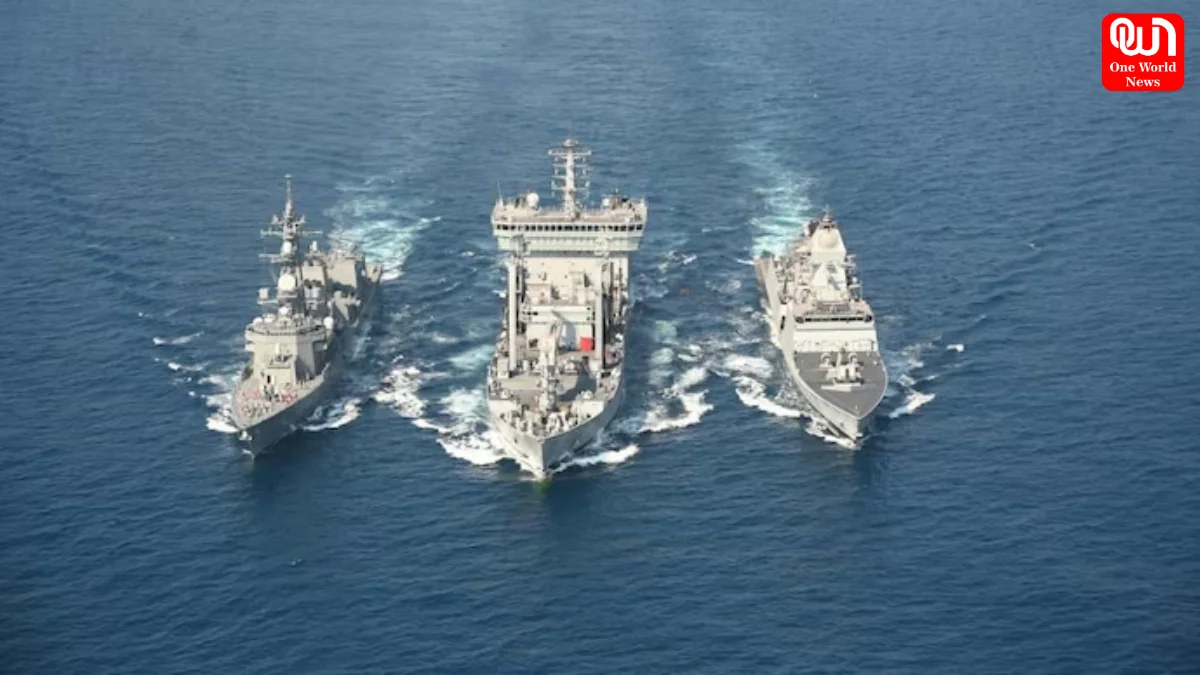
The ongoing crisis in the Strait of Hormuz has forced global powers to rethink maritime strategy. As tensions escalate and disruptions threaten oil supplies, attention is gradually shifting eastward toward another critical chokepoint — the Strait Of Malacca. This narrow waterway, connecting the Indian Ocean with the Pacific, is emerging as a new focal point in global geopolitics.
From Hormuz To Strait Of Malacca: A Strategic Shift?
Recent developments suggest that the United States may be expanding its strategic focus beyond the Middle East. The Hormuz crisis — where nearly 20–25% of global oil trade passes — has exposed vulnerabilities in relying heavily on a single maritime chokepoint.
Amid this, a new US defence arrangement with Indonesia has raised speculation that Washington is looking toward the Strait Of Malacca as part of a broader Indo-Pacific strategy.
Unlike Hormuz, which is primarily about oil transit, the Strait Of Malacca carries a much wider range of global trade — from energy supplies to electronics and industrial goods. This makes it not just an energy lifeline, but a backbone of global commerce.
Why The Strait Of Malacca Is So Important
The Strait Of Malacca is one of the busiest shipping lanes in the world. It handles nearly 40% of global trade and around 30% of oil shipments, making it far more economically diverse than Hormuz.
It connects major economies like India, China, Japan, and Southeast Asia, acting as a maritime bridge between two oceans. Over 50,000 ships pass through it every year, carrying everything from crude oil to semiconductors.
Its geography adds to its importance — at its narrowest, it is just about 3 km wide. This makes it a strategic chokepoint that can be monitored, controlled, or disrupted during conflicts.
For global powers like the US, this narrowness represents leverage. Control or influence over this route can shape global supply chains and energy security.
The China Factor: The “Malacca Dilemma”
One of the biggest reasons the Strait Of Malacca is gaining attention is China’s dependence on it. Around 80% of China’s oil imports pass through this route, making it a major strategic vulnerability.
This dependency is often referred to as the “Malacca Dilemma.” In any geopolitical conflict, disruption in this strait could severely impact China’s economy and energy security.
Read more: Political Roundup: India’s Top Headlines Today
For the United States, this creates an opportunity. By increasing its presence or influence in the region, Washington can gain strategic leverage in the Indo-Pacific — especially amid rising US-China tensions.
Why The Strait Of Malacca Is Vital To India
For India, the Strait Of Malacca is not just important — it is critical.
Nearly 55% of India’s trade passes through this corridor, making it a lifeline for the country’s economy.
India also enjoys a unique geographic advantage. The Andaman and Nicobar Islands lie close to the western entrance of the strait, giving India a strategic vantage point over maritime traffic.
This positioning allows India to monitor shipping lanes and potentially influence movement in the region. Military facilities like INS Baaz further strengthen this capability, effectively turning the islands into a forward operating base in the Indo-Pacific.
India’s Strategic Opportunity
As global attention shifts toward the Strait Of Malacca, India’s role becomes increasingly significant. The country is already positioning itself as a net security provider in the Indian Ocean Region.
If the US expands its focus to Malacca, India could become a key partner in ensuring maritime security. This aligns with broader Indo-Pacific strategies and partnerships like QUAD.
Moreover, control or influence over Malacca offers India strategic leverage — especially in balancing China’s growing maritime presence.
read more: Political Roundup: India’s Top Headlines Today
Conclusion
The shift from Hormuz to the Strait Of Malacca reflects a broader change in global geopolitics. While Hormuz remains critical for oil, Malacca represents the future of global trade and strategic competition.
For the United States, it is about expanding influence and securing supply chains. For China, it is a vulnerability. And for India, it is a rare strategic advantage.
As tensions continue to reshape global priorities, the Strait Of Malacca is no longer just a trade route — it is becoming the center of the next geopolitical contest.
We’re now on WhatsApp. Click to join.
Like this post?
Register at One World News to never miss out on videos, celeb interviews, and best reads.