Oil Under Stress, Internet Next? Why Iran’s New Plan In Hormuz Could Hit Google, Meta, Amazon
Iran’s new Hormuz plan may disrupt internet cables, impacting Google, Meta, Amazon, global data traffic, cloud services, and banking.

Oil Under Stress, Internet Next? Why Iran’s New Plan In Hormuz Could Hit Google, Meta, Amazon and Trigger a Global Digital Crisis
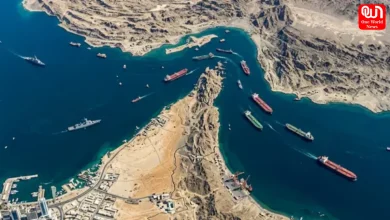
The Strait of Hormuz has long been known as the world’s most critical oil chokepoint. Nearly one-fifth of global oil shipments pass through this narrow waterway every day. But now, the focus is shifting from oil tankers to internet cables. Iran’s latest proposal involving subsea internet infrastructure could create serious risks for global tech giants like Google, Meta, Amazon, and Microsoft.
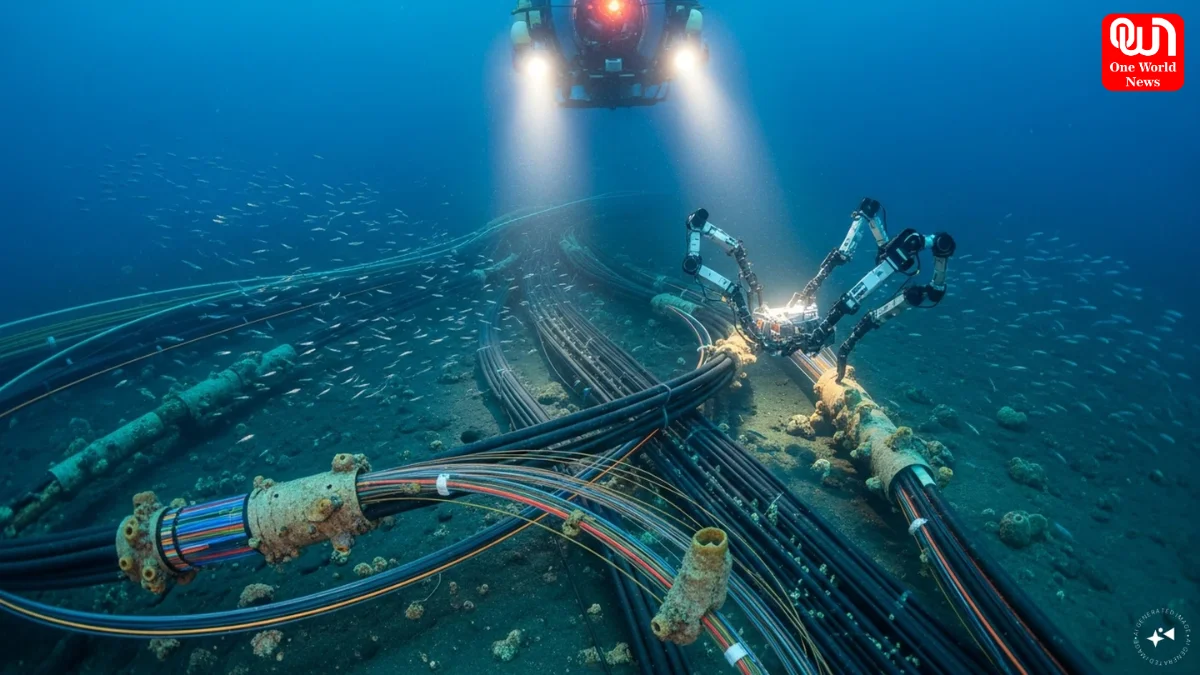
Recent reports suggest that Iranian state-linked media and policymakers are discussing plans to impose fees, regulations, and even operational controls over undersea fiber-optic cables passing through the Strait of Hormuz. These cables carry massive amounts of global internet traffic, cloud computing data, banking transactions, and communication services.
This development has sparked concerns about the future of digital infrastructure and whether geopolitical conflicts could now threaten the internet just as much as oil markets.
Why the Strait of Hormuz Matters for the Internet
Most people associate the Strait of Hormuz with oil exports from Gulf nations. However, the region is also home to several crucial submarine cable systems that connect Asia, Europe, and the Middle East.
Major undersea cable systems including AAE-1, FALCON, and Gulf Bridge International pass through or near the Hormuz region. These cables support:
- Cloud services
- International banking
- AI data centers
- Video streaming
- Social media platforms
- Global business communications
According to industry estimates, nearly 99% of international internet traffic moves through submarine cables worldwide. Any disruption in Hormuz could therefore impact millions of users and businesses globally.
Iran’s New Plan In Hormuz Could Hit Google, Meta, Amazon
Iranian media outlets linked to the Islamic Revolutionary Guard Corps (IRGC) recently proposed a three-step strategy to generate revenue from internet cables passing through the Strait of Hormuz.
The proposal reportedly includes:
1. Charging Licensing Fees
Iran wants foreign companies and cable operators to pay licensing fees for cables operating through the region. Companies potentially affected include Google, Meta, Amazon, and Microsoft.
2. Enforcing Iranian Regulations
The proposal also suggests that major tech companies comply with Iranian laws and oversight if they rely on cables crossing the Hormuz route.
3. Giving Iranian Firms Control Over Repairs
Another controversial suggestion involves granting Iranian companies exclusive rights for maintenance and repair work on submarine cables in the area.
Experts say this could effectively turn Hormuz into a “digital toll booth,” giving Iran strategic leverage over global internet infrastructure.
How This Could Affect Global Tech Companies
Cloud Services Could Face Disruptions
Google Cloud, Amazon Web Services (AWS), and Meta’s digital platforms rely heavily on fast and uninterrupted global data movement. If internet traffic slows down or faces restrictions, cloud-based applications may suffer latency issues.
Streaming and Social Media Could Slow Down
Platforms like Instagram, WhatsApp, Facebook, Netflix, and YouTube depend on undersea cables for real-time data delivery. Even partial disruptions can reduce streaming quality and increase buffering times.
Banking and Financial Transactions at Risk
Submarine cables also support trillions of dollars in daily financial transactions. Any interruption could impact banking systems, international payments, and stock market communications.
Why Experts Are Concerned
Technology analysts warn that the proposal highlights a growing global vulnerability: the internet’s dependence on physical infrastructure.
While satellites like Starlink provide alternatives, they still cannot fully replace the speed and capacity of fiber-optic submarine cables. Repairing damaged cables in conflict zones is also extremely difficult and expensive.
Some reports indicate that Europe and major tech firms are already exploring alternative cable routes to avoid geopolitical hotspots like Hormuz and the Red Sea.
Read more: Xi Warns Taiwan Issue Could Trigger US-China Clash Amid Rising Tensions
Could This Become a New Digital Power Game?
Iran’s latest move signals how geopolitical tensions are expanding beyond oil and shipping into digital infrastructure. Countries are increasingly recognizing that internet cables are strategic assets capable of influencing economies, communications, and even national security.
Although experts believe Iran may face legal and technical difficulties enforcing such proposals, the discussion itself shows how vulnerable global internet systems remain.
If tensions escalate further, the world may soon see digital chokepoints becoming as important as oil chokepoints.
We’re now on WhatsApp. Click to join.
Like this post?
Register at One World News to never miss out on videos, celeb interviews, and best reads.