Pakistan Pushes To Revive Stalled US-Iran Talks Amid Rising Tensions
Pakistan Pushes To Revive Stalled US-Iran Talks as Tehran drafts revised proposal to restart negotiations and ease tensions

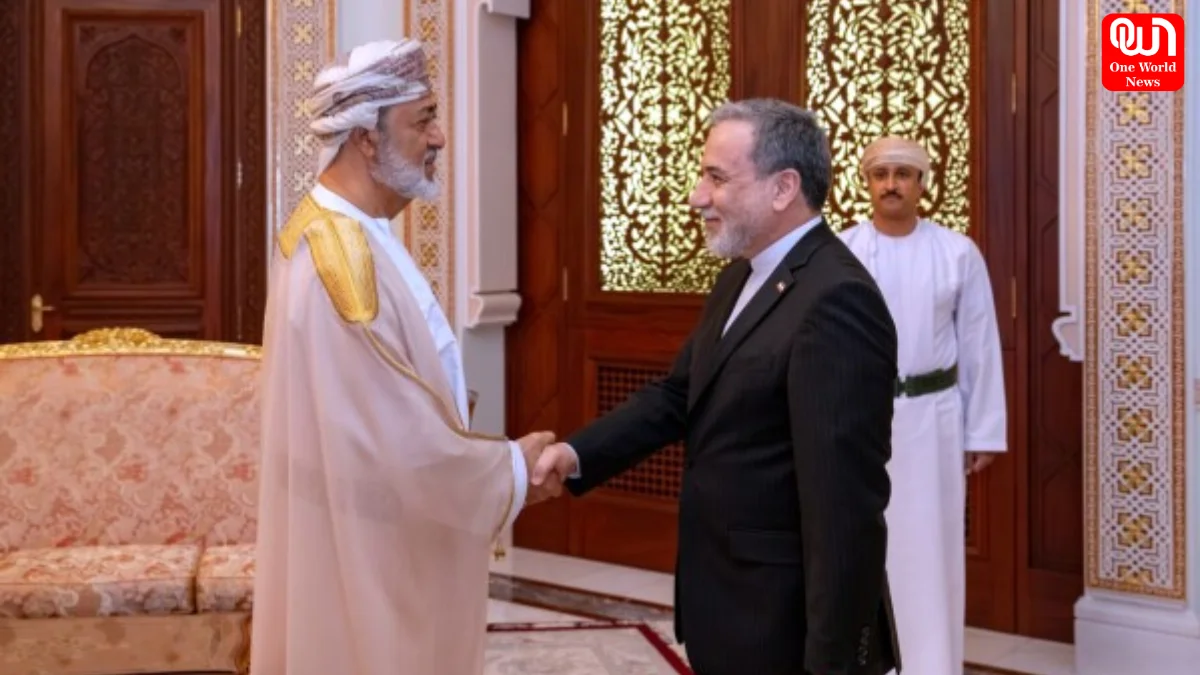
Pakistan Pushes To Revive Stalled US-Iran Talks as Tehran Works on Revised Proposal to Break Diplomatic Deadlock
In a renewed diplomatic push, Pakistan is stepping up efforts to revive stalled talks between the United States and Iran, as Tehran works on a revised proposal aimed at breaking the current deadlock. The latest developments come amid heightened geopolitical tensions in the Middle East and growing urgency to stabilize the region following weeks of conflict and fragile ceasefire arrangements.
Pakistan, which has emerged as a key mediator in the ongoing crisis, is actively engaging both Washington and Tehran to bring them back to the negotiating table. The country previously played a central role in brokering a temporary ceasefire and hosting the high-stakes Islamabad talks earlier this month. However, those negotiations ended without a breakthrough, largely due to disagreements over Iran’s nuclear program and the status of the Strait of Hormuz.
Pakistan’s Diplomatic Push
Islamabad’s renewed efforts reflect its strategic interest in preventing further escalation in the region. Sharing a border with Iran and maintaining ties with both the U.S. and Gulf nations, Pakistan is uniquely positioned to act as a diplomatic bridge. Officials have continued backchannel communications, urging both sides to show flexibility and re-engage in dialogue.
Recent reports suggest that Pakistan has conveyed messages between the two sides, encouraging a phased approach to negotiations. The goal is to first address immediate concerns such as maritime security and ceasefire violations before tackling more complex issues like nuclear restrictions and sanctions.
read more: Narendra Modi Football Sikkim: PM Modi Plays Football With Youngsters After West Bengal Campaign
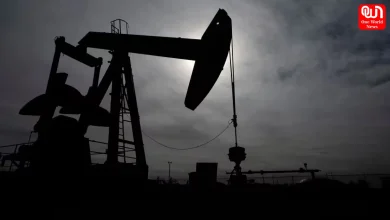
Pakistan’s mediation is not just about diplomacy—it also has economic and security implications. The ongoing tensions have disrupted global oil supply routes, particularly through the Strait of Hormuz, a critical chokepoint for energy shipments.
Tehran’s Revised Proposal
Iran, for its part, is reportedly working on a revised proposal designed to restart negotiations. The new plan is expected to focus on de-escalation measures, including reopening the Strait of Hormuz and easing military tensions, while postponing contentious nuclear discussions to a later stage.
This approach marks a shift in strategy from Tehran, which has faced internal divisions over how to proceed with negotiations. By separating immediate conflict-resolution steps from long-term nuclear issues, Iranian officials hope to create momentum for renewed talks.
However, the proposal has already encountered skepticism from the United States. Washington has insisted that any agreement must address Iran’s nuclear ambitions upfront, making it clear that delaying such discussions is not an acceptable option.
Why Talks Stalled
The collapse of earlier talks in Islamabad underscores the deep mistrust between the two sides. While Iran has demanded the lifting of sanctions and guarantees against future attacks, the U.S. has pushed for strict limits on Iran’s nuclear program and regional activities.
These conflicting priorities have made it difficult to find common ground. The situation has been further complicated by ongoing military tensions and economic pressures, including a U.S.-led blockade that has severely impacted Iran’s oil exports and economy.
Additionally, internal political dynamics in both countries have played a role in slowing progress. In Iran, competing factions have struggled to present a unified negotiating position, while in the U.S., political considerations have influenced the administration’s stance on negotiations.
The Role of the Strait of Hormuz
A key sticking point in the negotiations is the Strait of Hormuz, through which a significant portion of the world’s oil supply passes. Iran has proposed reopening the strait as part of a broader de-escalation plan, but only if the U.S. lifts its blockade and agrees to certain conditions.
This issue highlights the broader stakes of the conflict, as disruptions in the strait have already led to rising energy prices and global economic uncertainty.
What Comes Next
Despite the challenges, there are signs that diplomacy is not entirely off the table. Pakistan’s continued involvement and Iran’s willingness to revise its proposal suggest that both sides may still be open to negotiations, albeit under different terms.
read more: First LNG Shipment Crosses Strait Of Hormuz: A Turning Point in Global Energy Routes
Analysts believe that any progress will likely require a phased agreement that balances immediate de-escalation with long-term commitments. Confidence-building measures, such as limited sanctions relief or partial reopening of trade routes, could serve as stepping stones toward a broader deal.
For now, the situation remains fluid. Pakistan’s push to revive stalled U.S.-Iran talks represents a critical effort to prevent further escalation and keep diplomatic channels open. Whether Tehran’s revised proposal can bridge the gap between the two sides remains to be seen—but it may be the best chance yet to move beyond the current impasse.
We’re now on WhatsApp. Click to join.
Like this post?
Register at One World News to never miss out on videos, celeb interviews, and best reads.