Iran Announces Alternate Transit Routes For Strait Of Hormuz After Closure Over Israel Strikes
Iran announces alternate transit routes for Strait Of Hormuz after closure over Israel strikes, aiming to reduce risks and stabilize shipping.

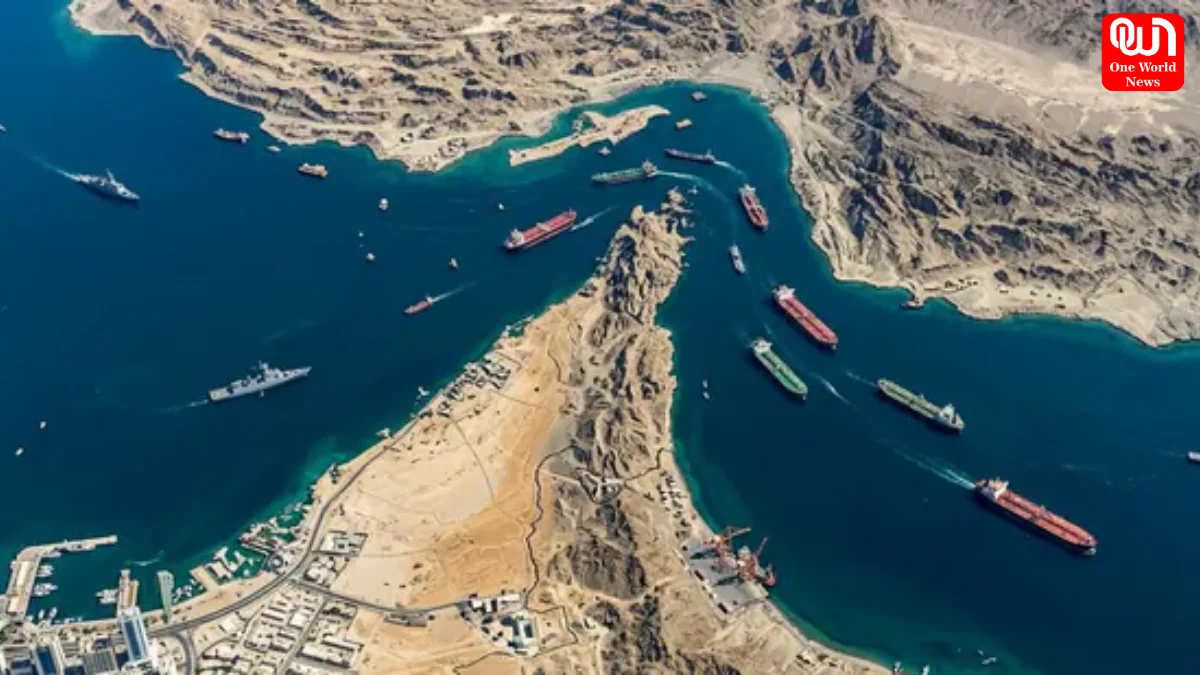
Iran Announces Alternate Transit Routes For Strait Of Hormuz After Closure Over Israel Strikes, Easing Shipping Risks Amid Rising Middle East Tensions
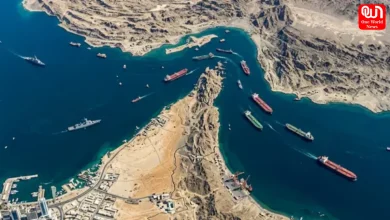
Iran has taken a significant step in managing maritime traffic by announcing alternate transit routes in the Strait Of Hormuz, following its recent closure triggered by escalating tensions and Israeli strikes in the region. This development comes amid growing concerns over global energy security, as the strategic waterway handles nearly 20% of the world’s oil shipments.
The decision to introduce alternative routes is part of a broader effort by Tehran to balance military strategy with economic necessity. According to recent reports, Iran’s Revolutionary Guards issued specific navigation instructions to vessels, urging them to avoid the main shipping lanes due to the risk of sea mines.
Why Iran Closed the Strait Of Hormuz
The closure of the Strait Of Hormuz was a direct response to ongoing Israeli airstrikes, particularly those targeting locations in Lebanon. Iran viewed these attacks as a violation of regional stability, prompting swift retaliation measures, including blocking one of the world’s most critical maritime chokepoints.
The situation escalated quickly despite a temporary ceasefire agreement between Iran and the United States. Within hours of agreeing to reopen the strait, Iran reversed its decision after fresh Israeli strikes, highlighting the fragile nature of the truce.
This move sent shockwaves through global markets, as disruptions in the Strait Of Hormuz historically lead to spikes in oil prices and supply chain uncertainty. The ongoing crisis is already being described as one of the most severe disruptions to global energy flows in recent years.
Iran Announces Alternate Transit Routes: What It Means
With the announcement that Iran Announces Alternate Transit Routes, Tehran is attempting to provide a controlled and safer passage for ships while maintaining its strategic leverage.
Instead of allowing free navigation through the central channel, Iran has directed vessels to use designated alternative entry and exit routes. These routes are designed to minimize the risk of collision with sea mines and ensure that ships remain under Iranian supervision.
This controlled transit system effectively turns the Strait Of Hormuz into a monitored corridor rather than an open international waterway. Ships are now required to coordinate with Iranian authorities before entering, significantly altering how global shipping companies operate in the region.
Read more: Political Roundup: India Election Heat, Parliament Debates & Global Diplomacy Updates
Impact on Global Shipping and Oil Markets
The Strait Of Hormuz is one of the most critical arteries for global trade, especially for oil and liquefied natural gas. Any disruption here has immediate worldwide consequences.
Recent data shows that shipping traffic through the strait has dropped drastically, with only a fraction of vessels passing compared to pre-conflict levels.
Major shipping companies and oil producers remain cautious, with many unwilling to risk transit without clear security guarantees. Insurance costs have surged, and several vessels remain stranded in nearby waters, waiting for safer conditions.
Even with alternate routes in place, the uncertainty continues to affect global energy prices. Analysts warn that restoring normal operations could take weeks or even months, depending on how the geopolitical situation evolves.
Strategic and Political Implications
The move to announce alternate transit routes is not just about safety—it is also a strategic maneuver. By controlling access to the Strait Of Hormuz, Iran retains leverage over global energy markets and international diplomacy.
At the same time, the decision signals a willingness to avoid a complete shutdown, which could harm Iran’s own economic interests. The country relies heavily on oil exports, many of which pass through the same waterway.
International reactions have been mixed. While some countries welcome the partial reopening through alternative routes, others remain concerned about the lack of free navigation and the risks posed by military oversight.
Read more: Raja Ravi Varma’s Yashoda and Krishna Becomes India’s Most Expensive Artwork at ₹167.2 Cr
What Happens Next?
The situation in the Strait Of Hormuz remains highly volatile. While the announcement that Iran Announces Alternate Transit Routes offers a temporary solution, it does not resolve the underlying conflict driving the crisis.
Much depends on whether the ceasefire holds and whether regional tensions, particularly involving Israel, begin to ease. Any further escalation could lead to renewed restrictions or even a complete shutdown of the strait.
For now, global shipping continues under strict conditions, with the world closely watching one of its most vital trade routes.
We’re now on WhatsApp. Click to join.
Like this post?
Register at One World News to never miss out on videos, celeb interviews, and best reads.