
Oceanfront Homes for Sale in North Carolina FAQ: What Renting It Out Involves
Buying a coastal property as a vacation rental can be an attractive idea, particularly for buyers considering oceanfront homes for sale in North Carolina.

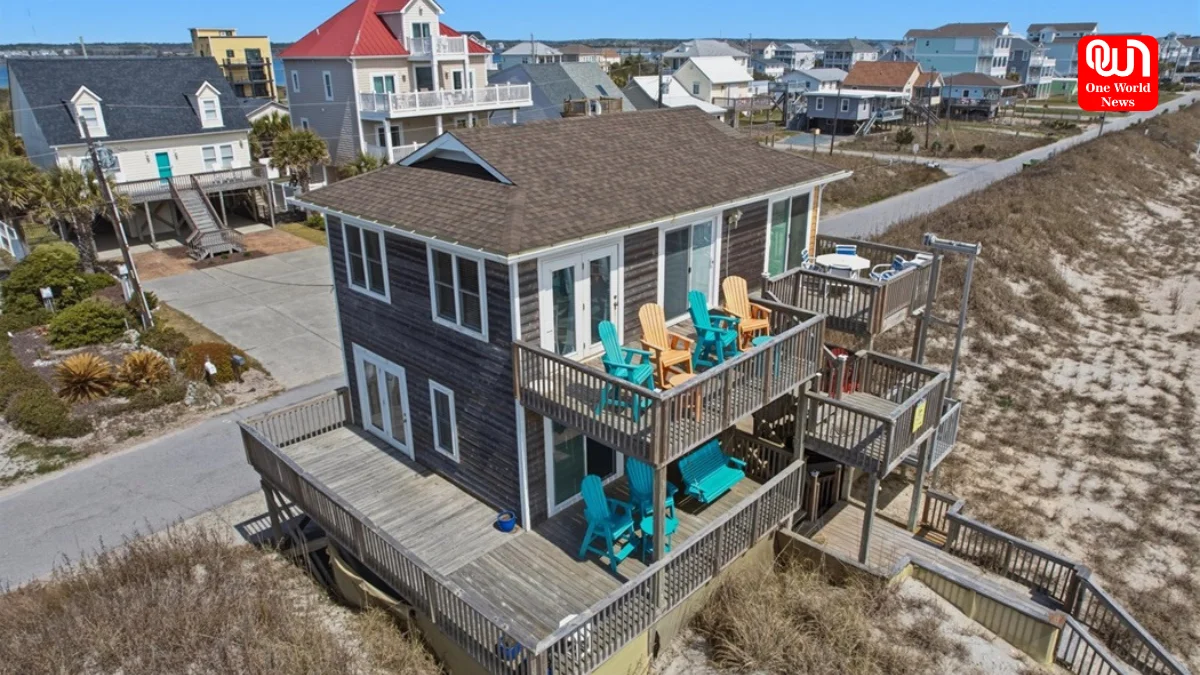
The house is gorgeous. The ocean is right there. You can practically hear the waves from the kitchen. Then someone asks, “How much could you make renting it out?” And just like that, the dreamy beach-house conversation becomes a spreadsheet.
Buying a coastal property as a vacation rental can be an attractive idea, particularly for buyers considering oceanfront homes for sale in North Carolina. But an oceanfront home isn’t automatically a hands-off investment. Guests need attention. Houses need maintenance. Rules need to be followed. And the ocean, with its charming habit of throwing wind, salt, humidity, and storms at buildings, isn’t exactly a low-maintenance neighbor.
So, what does renting out an oceanfront property really involve?
First Question: Are Short-Term Rentals Allowed?
Before thinking about nightly rates or booking calendars, check the rules. Local regulations, HOA policies, community restrictions, and property-specific requirements can determine whether short-term rentals are permitted. The fact that the house next door operates as a vacation rental doesn’t necessarily mean yours can.
This is one of those details worth investigating before signing anything.
The Rental Doesn’t Manage Itself
Here’s the part that can surprise new owners: putting a property on the rental market doesn’t mean the work ends after the listing goes live.
Someone has to handle reservations, answer guest questions, coordinate check-ins and check-outs, arrange cleaning, respond to maintenance issues, and deal with the occasional problem that arrives at the least convenient possible moment. The air conditioner doesn’t care that you’re three states away.
Owners can handle these responsibilities personally or hire a local property manager. Managing the property yourself can provide more control, while professional management can reduce the day-to-day workload. The better option depends on the owner’s schedule, location, experience, and willingness to be the person guests call when something goes wrong.
Read More: Strong Market Debut: Shiprocket Shares List At 35% Premium; Should You Buy, Sell Or Hold?
Then Come The Expenses
Rental income gets the attention. Expenses quietly wait in the corner. Property taxes, insurance, utilities, cleaning, maintenance, repairs, landscaping, management fees, and other operating costs can all affect the property’s financial performance.
Oceanfront homes may also experience additional wear from coastal conditions. Salt air, moisture, wind, and storms can be particularly demanding on exterior materials and mechanical systems.
So when estimating potential returns, don’t stop at gross rental revenue. What matters is what remains after the bills have had their say.
Guests Have Expectations. Lots Of Them
A vacation rental needs to feel like a vacation rental. That means comfortable furniture, functional appliances, a properly equipped kitchen, clean bathrooms, dependable internet, attractive outdoor spaces, and other features that make a stay convenient.
Durability matters, too. A gorgeous piece of furniture that looks fantastic for the first three weeks but can’t withstand regular guest use isn’t exactly a business asset.
Location Does Some Heavy Lifting
Not every beach property will attract the same level of interest. Ocean access and views are obvious draws, but guests may also care about bedroom configuration, parking, outdoor living areas, proximity to attractions, and the overall condition of the home.
Two properties can have similar square footage and dramatically different rental appeal. Why? Because vacationers aren’t buying square footage. They’re buying the experience.
Don’t Assume Every Month Will Look The Same
Beach rentals can be seasonal. Popular vacation periods may generate stronger demand, while slower stretches can produce fewer bookings. Pricing, local events, travel patterns, property features, and competition can also affect occupancy.
That makes conservative projections important. Building a financial plan around the absolute best-case rental scenario might look exciting on paper. Reality tends to be less enthusiastic.
What Should You Investigate Before Buying?
Start with the basics: rental rules, property condition, insurance considerations, operating costs, and potential management arrangements. Then look at how the home fits your own plans.
Will you use it primarily as a rental? Will your family spend several weeks there each year? Are you comfortable managing guests and maintenance, or would you rather pay someone else to handle the details? Those answers can change the economics considerably.
The View Is Free. The Rest Isn’t.
Owning an oceanfront rental can combine two appealing ideas: having a coastal getaway and generating rental income when you’re not using it.
But the ocean doesn’t pay the utility bill. It doesn’t schedule the cleaner. And it certainly doesn’t fix a broken HVAC system. You do, or someone you hire does.
That’s why buyers considering oceanfront homes for sale in North Carolina should look beyond the postcard appeal. The right property needs to work as a home, a rental, and a financial commitment. The waves may be the romantic part. The numbers are where the real story begins.
We’re now on WhatsApp. Click to join.
Like this post?
Register at One World News to never miss out on videos, celeb interviews, and best reads.