Lip Oil vs Lip Gloss: Which One Provides Better Hydration And Nourishment?
Lip oil vs lip gloss comparison: discover lip hydration, lip care, lip oil for dry chapped lips, nourishment, and high-shine benefits.

Lip Oil vs Lip Gloss Comparison: Discover Better Lip Hydration, Lip Care, Nourishment, and High-Shine Benefits
When choosing products for everyday lip care, the difference between lip oil and lip gloss can seem confusing. Both can give lips a smooth, glossy appearance, but their formulations and primary purposes can vary. Lip oils are generally designed to combine cosmetic shine with conditioning ingredients, while traditional lip gloss is primarily focused on creating a reflective, high-shine finish. Some modern glosses can also contain moisturizing ingredients, so the label and formulation matter more than the product name alone.
For people concerned about lip hydration, the best option depends on whether the priority is nourishment, shine, comfort, or repairing very dry lips.
What Is Lip Oil?
Lip oil is a lightweight lip product formulated around oils and conditioning ingredients. Many formulas contain ingredients such as jojoba oil, squalane, castor oil, or vitamin E, which can help soften the feel and appearance of dry lips. Lip oils are often described as a hybrid between lip balm and gloss because they can provide conditioning benefits while leaving a glossy finish.
The benefits of lip oil hydration largely depend on its ingredients. Oils can act as emollients, helping smooth the surface of the lips and improve their soft, comfortable feel. Some formulas may also include ingredients designed to attract or retain moisture.
Benefits Of Lip Oil For Everyday Lip Care
Using a well-formulated lip oil can offer several cosmetic benefits:
- Provides a lightweight, glossy finish.
- Helps lips feel softer and smoother.
- Can complement a daily lip care routine.
- Often combines conditioning oils with shine.
- Works well alone or over lip color.
- Can be particularly comfortable for people who dislike sticky textures.
For lip oil for dry chapped lips, however, consumers should look beyond the word “oil.” Severely dry or cracked lips may need a more protective ointment or balm rather than an oil alone.
Read more: Sunscreen For Children: Best Sunscreen For Kids, SPF 30 & SPF 50 Guide
What Is Lip Gloss?
Lip gloss is primarily a cosmetic product designed to create shine, dimension, and sometimes color. A lip gloss for high shine can make lips appear smoother and fuller by reflecting light from the surface.
Modern gloss formulations can also include conditioning and hydrating ingredients, meaning the difference between lip oil and gloss is not always absolute. Some glosses provide both shine and moisturizing benefits.
Traditional glosses, however, are generally chosen more for their appearance and finish than for intensive nourishment. If your main goal is dramatic shine, a dedicated gloss may be preferable.
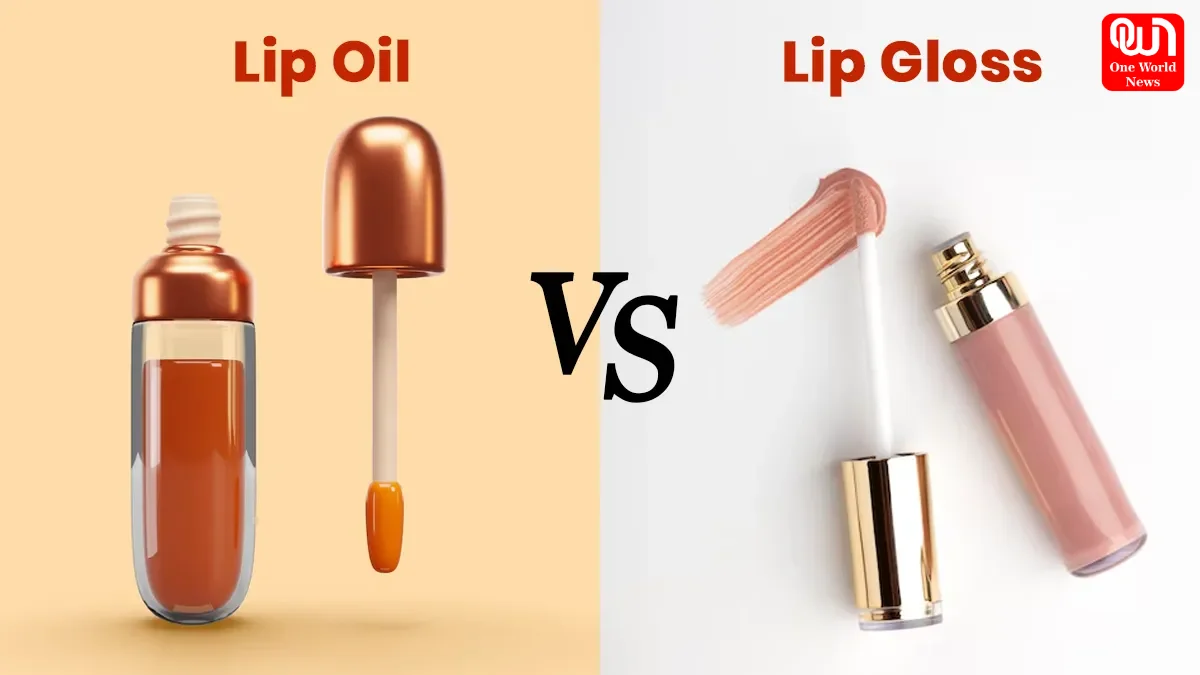
Lip Oil vs Lip Gloss Comparison
The easiest way to understand the difference is to consider the main purpose of each product.
Lip Oil: Usually emphasizes conditioning, softness, lightweight hydration, and a glossy appearance.
Lip Gloss: Usually emphasizes shine, smooth appearance, color, and a reflective finish.
For daily lip care, lip oil may feel more treatment-oriented, especially when the formula contains nourishing oils. Meanwhile, gloss is often the better choice when a bold, glass-like finish is the priority.
Still, neither product should automatically be considered a treatment for severely chapped lips. Dermatologists recommend non-irritating lip products and point to ingredients such as petrolatum, mineral oil, ceramides, dimethicone, shea butter, and castor seed oil as potentially helpful choices for dry, chapped lips.
Which Is Better For Lip Hydration?
So, which wins the lip oil vs lip gloss comparison?
For everyday conditioning and a comfortable glossy finish, lip oil can have an advantage, particularly when it contains beneficial emollient ingredients. Lip oils can soften the feel of the lips while providing shine, making them appealing for people who want makeup and lip care in one product.
But the most effective product for dry lips is not necessarily the one marketed as an oil or gloss. Ingredients and formulation are more important. Moisturizers commonly work through combinations of humectants, emollients, and occlusives. Occlusives help reduce water loss by creating a protective surface layer.
For very dry, cracked lips, the American Academy of Dermatology recommends thick ointments such as white petroleum jelly because ointments can seal in water longer than waxes or oils.
How To Choose The Right Product
Choose lip oil if you want lightweight conditioning, a soft glossy finish, and a product that fits naturally into an everyday beauty routine.
Choose lip gloss if your primary goal is noticeable shine, color, or a glass-like appearance.
If your lips are dry and chapped, consider using a fragrance-free, non-irritating lip balm or ointment as the foundation of your routine, and then layer lip oil or gloss for cosmetic shine. The AAD also advises avoiding products that cause burning, stinging, or tingling, as these sensations can indicate irritation rather than effective treatment.
Final Verdict: Lip Oil Or Lip Gloss?
Ultimately, the winner depends on your needs. Lip oil is generally the more appealing choice when you want a combination of conditioning and shine, while lip gloss stands out for creating an attractive, high-shine finish. For serious dryness, neither should replace a properly formulated lip moisturizer or protective ointment.
A smart lip care routine can therefore use each product for its strengths: a nourishing moisturizer or balm for barrier support, lip oil for conditioning and everyday shine, and lip gloss for high shine when you want an enhanced makeup look. The key is choosing a non-irritating formula and checking its ingredients rather than relying solely on the product category.
We’re now on WhatsApp. Click to join.
Like this post?
Register at One World News to never miss out on videos, celeb interviews, and best reads.