Tamil Nadu Delimitation Resolution: Vijay Moves Resolution to Freeze Lok Sabha Seats at 543, Raises Demands on Women’s Reservation and Population Control
Vijay’s Tamil Nadu Delimitation Resolution seeks to freeze Lok Sabha seats at 543, protect Southern States, support Women’s Reservation and population control.

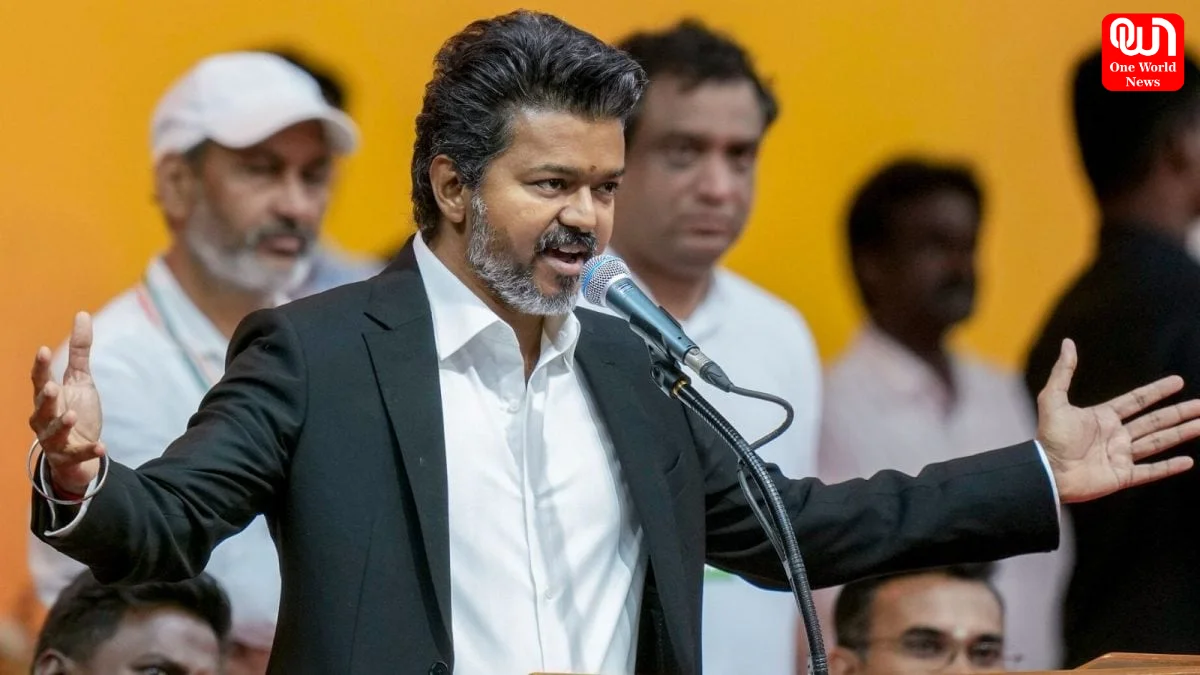
Tamil Nadu Delimitation Resolution: Vijay Seeks to Freeze Lok Sabha Seats at 543, Protect Southern States’ Parliamentary Representation and Ensure Women’s Reservation Without Penalising Population Control
Tamil Nadu has intensified the national debate over delimitation after Chief Minister Vijay moved a special resolution in the state Assembly seeking to keep the total strength of the Lok Sabha at 543. The move comes amid growing political discussions over how parliamentary seats could be redistributed after the next delimitation exercise.
The Tamil Nadu Delimitation Resolution focuses on protecting the existing balance of Parliamentary Representation, particularly for states that have made significant progress in population stabilisation. The issue has become politically important because several Southern States have raised concerns that a population-based redistribution could alter their relative influence in Parliament.
Why Vijay Wants Lok Sabha Seats Frozen at 543
India currently has 543 elected seats in the Lok Sabha. The debate over delimitation gained momentum after proposals earlier in 2026 considered expanding the House substantially, potentially up to around 850 seats, alongside measures intended to operationalise Women’s Reservation.
Read more: Gold Update Veronica: Latest Gold And Silver Prices Today
Vijay’s position is centred on the argument that the existing 543-seat framework should not be altered in a way that disadvantages states that successfully implemented Population Control policies. His resolution seeks a political and constitutional approach that protects regional representation while addressing the need for democratic reform.
The demand also places the spotlight on the long-standing tension between population size and equal political representation. Southern states have generally recorded slower population growth than several northern states, making the delimitation debate particularly significant for their future representation.
Three Major Demands Behind Vijay’s Resolution
The resolution puts forward three broad demands connected with delimitation, representation and demographic policy.
1. Freeze the Lok Sabha Strength at 543
The first and most prominent demand is to permanently maintain the present strength of the Lok Sabha at 543 seats instead of allowing a major redistribution of parliamentary seats based solely on population.
The demand is aimed at preventing states with lower population growth from losing political weight. It also seeks to preserve the existing balance until a broader consensus is reached on how representation should be calculated.
2. Do Not Penalise States for Population Control
Vijay’s second major concern is the impact of Population Control policies. Tamil Nadu and other Southern States have historically promoted smaller families and demographic stabilisation.
Supporters of the resolution argue that states should not be politically penalised for successfully implementing policies that were encouraged as part of national development objectives. The concern is that using population as the dominant factor in seat allocation could reward states with higher population growth while reducing the relative influence of states that achieved demographic stabilisation.
3. Protect Women’s Reservation Alongside Fair Representation
The third issue is Women’s Reservation. The debate is not necessarily about opposing greater representation for women. Instead, the question is how the reservation should be implemented without creating an unfair regional redistribution of political power.
The government’s 2026 proposals linked delimitation with the implementation of one-third reservation for women in Parliament and state Assemblies. Earlier proposals contemplated increasing the Lok Sabha’s strength before implementing the reservation framework.
Vijay’s resolution therefore brings together two major constitutional questions: expanding women’s participation in politics and maintaining balanced Parliamentary Representation between states.
Why Southern States Are Concerned About Delimitation
The delimitation debate has become especially sensitive in the South because representation is closely connected with population growth. Critics of population-based redistribution argue that Southern States could see their share of national political influence change despite their contribution to economic development and their success in population stabilisation.
The issue has therefore moved beyond constituency boundaries. It now involves federalism, political representation, fiscal concerns and the relationship between population and democratic power.
At the same time, the Centre has argued that increasing the overall number of seats could prevent existing states from being disadvantaged. Government-backed proposals earlier this year suggested expanding the House rather than simply redistributing the existing 543 seats.
TVK and Vijay’s Political Position
For TVK, the delimitation issue provides an opportunity to establish a clear position on federalism and representation. Vijay has increasingly highlighted issues that affect Tamil Nadu’s place within the national political structure.
The resolution also comes after political divisions emerged over meetings on delimitation in Tamil Nadu. Several major parties did not participate in Vijay’s recent delimitation meeting, while representatives of some of his allies attended.
This makes the latest resolution significant not only as a constitutional issue but also as an important political development in Tamil Nadu.
What the Tamil Nadu Resolution Could Mean
The Tamil Nadu Delimitation Resolution adds another layer to India’s continuing debate over electoral representation. The central challenge is finding a formula that can accommodate population changes while ensuring that states are not discouraged from pursuing successful development and population policies.
For Vijay, the focus remains on maintaining the 543-seat framework, protecting the interests of the Southern States, and ensuring that Women’s Reservation does not become a reason for an unfair redistribution of political representation.
The debate is likely to continue as India considers the future of delimitation and parliamentary reforms. The issue will ultimately require wider political consensus because it affects not only Tamil Nadu but the distribution of democratic representation across the country.
We’re now on WhatsApp. Click to join.
Like this post?
Register at One World News to never miss out on videos, celeb interviews, and best reads.