
Delhi-NCR Schools Up To Class 5 To Hold Hybrid Classes As Air Quality Worsens: GRAP Stage III Delhi Imposes New Pollution Restrictions
Delhi schools hybrid mode begins under GRAP Stage III Delhi as air quality Delhi NCR worsens, bringing hybrid learning and vehicle restrictions.

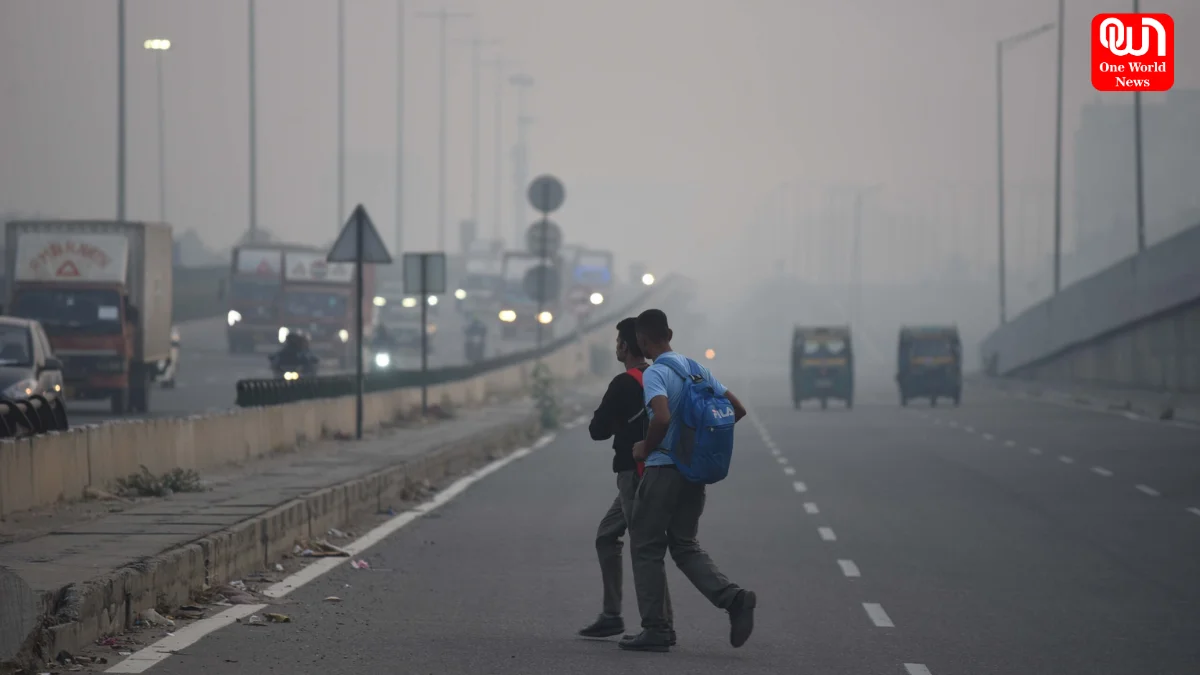
Delhi-NCR Schools Shift to Hybrid Classes Amid Rising Air Pollution
As pollution levels continue to rise across the national capital, authorities have directed schools to conduct classes up to Class 5 in hybrid mode. The decision follows the implementation of GRAP Stage III Delhi restrictions on November 6, 2026, as deteriorating air quality Delhi NCR raises serious concerns about children’s health.
The Delhi Directorate of Education has instructed government, government-aided, and recognised private schools to provide both online and offline learning options. The arrangement also covers schools administered by the Municipal Corporation of Delhi (MCD), New Delhi Municipal Council (NDMC), and Delhi Cantonment Board.
The decision aims to protect younger students from prolonged exposure to harmful pollutants while ensuring that their education continues without major interruptions.
Why Has GRAP Stage III Been Implemented in Delhi-NCR?
The Commission for Air Quality Management (CAQM) introduced Stage III restrictions after pollution levels approached the severe category.
Delhi recorded an Air Quality Index (AQI) of 382 on November 6, placing the capital in the very poor category. Authorities implemented stricter measures as a precaution against further deterioration.
Unfavourable weather conditions, reduced wind speeds, vehicle emissions, construction dust, and seasonal pollution have contributed to the worsening situation.
Under the Graded Response Action Plan, additional restrictions are introduced depending on pollution levels and forecasts. The latest CAQM measures focus on reducing emissions and limiting public exposure to polluted air.
Delhi Schools Hybrid Mode: What Does It Mean for Students?
Under the new arrangement, students studying from nursery to Class 5 can attend lessons physically or through online platforms wherever digital facilities are available.
The hybrid learning system provides flexibility to parents concerned about sending their children outdoors during periods of heavy pollution.
The government has not announced a complete closure of primary schools. Instead, schools must provide online learning facilities wherever feasible while continuing classroom teaching.
Parents and guardians can choose the available learning option according to their children’s needs.
School authorities have also been directed to inform families about the revised arrangements and ensure smooth implementation.
Which Delhi-NCR Schools Are Covered Under the New Guidelines?
The hybrid-class requirement applies to schools in Delhi and key NCR districts, including Gurugram, Faridabad, Ghaziabad, and Gautam Buddha Nagar, which includes Noida and Greater Noida.
Schools in other NCR locations may introduce similar arrangements depending on government directions and local pollution conditions.
Read more: Gold and Silver Rate Today, 6 November 2026: Sharp Fall in Gold and Silver Prices
Education officials are expected to monitor compliance and coordinate with school administrations to prevent disruption to students’ academic schedules.
Pollution Restrictions Delhi: Vehicle and Construction Curbs Introduced
Alongside school-related guidelines, authorities have announced several pollution restrictions Delhi residents must follow.
The measures include restrictions on BS-III petrol and BS-IV diesel four-wheelers in Delhi and specified neighbouring NCR districts, subject to applicable exemptions.
Non-essential construction and demolition activities are also restricted to control dust pollution.
Additional measures target polluting industrial operations, stone crushers, mining activities, and certain diesel-powered commercial vehicles.
These vehicle restrictions and construction controls are intended to reduce pollution sources while environmental agencies monitor changing conditions across the region.
How Does Poor Air Quality Affect Young Children?
Children are particularly vulnerable to air pollution because their lungs are still developing, and they generally breathe more air relative to their body weight than adults.
Exposure to polluted air can trigger coughing, throat irritation, breathing difficulties, and worsening asthma symptoms.
Parents should monitor local AQI readings, minimise unnecessary outdoor activities, and follow school advisories.
Maintaining clean indoor environments and avoiding outdoor exercise during heavily polluted periods can also help reduce exposure.
When Will Delhi-NCR Schools Resume Normal Classes?
Authorities have not announced a fixed date for ending the hybrid-class arrangement.
The restrictions will depend on pollution conditions and subsequent government orders.
The CAQM will continue monitoring air quality, while education departments may issue further instructions regarding classroom attendance.
Parents should regularly check official school communications for updated schedules.
Conclusion
The introduction of Delhi schools hybrid mode reflects growing concern over deteriorating air quality across the National Capital Region.
Read more: Blue Wave Continues: Democrats Close In On Biggest House Victory Since 1974 Republican Wipeout
With GRAP Stage III Delhi restrictions now active, authorities are prioritising children’s health while maintaining educational continuity.
The combination of hybrid learning, vehicle restrictions, and wider CAQM measures represents an important effort to address Delhi-NCR’s recurring pollution crisis. Continued cooperation from schools, parents, and residents will remain essential as authorities assess the situation.
We’re now on WhatsApp. Click to join.
Like this post?
Register at One World News to never miss out on videos, celeb interviews, and best reads.