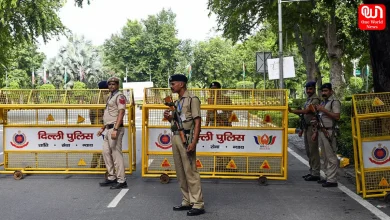
Delhi Police Denies Permission For CJP Protest On October 10, Says ‘They Did Not Follow Rules’
Delhi Police denies CJP protest permission for October 10, citing short notice, previous rule violations, and public safety concerns in New Delhi.

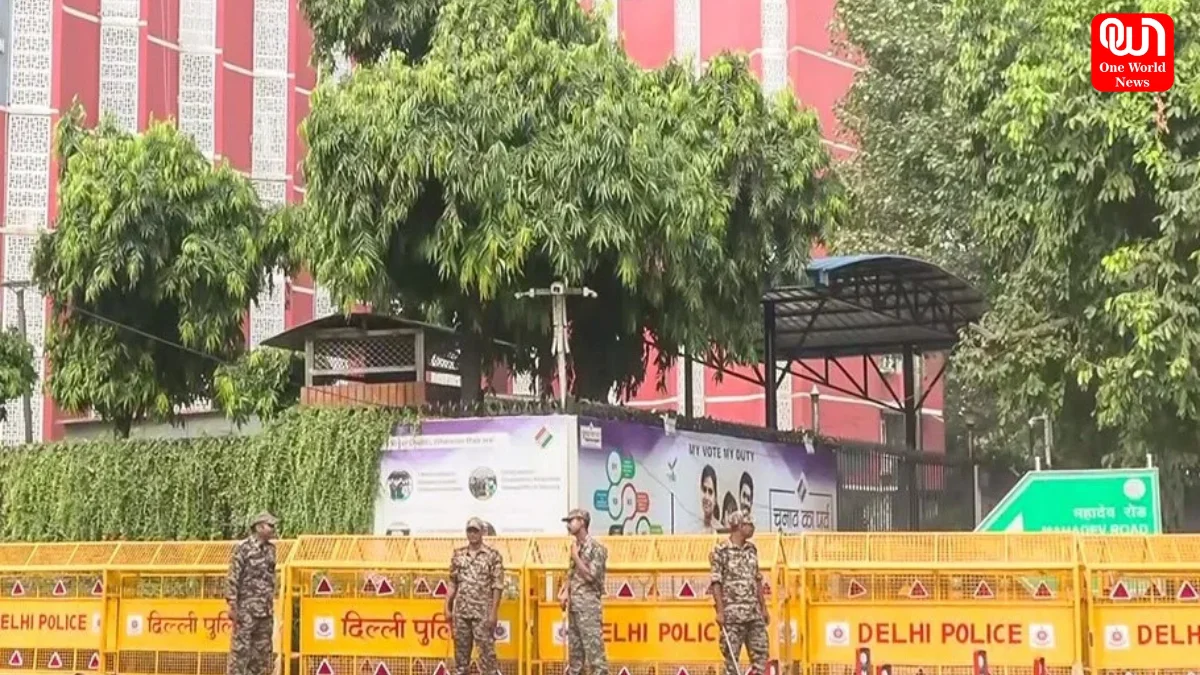
Delhi Police Denies Permission for CJP Protest on October 10 at Jantar Mantar, Citing Short Notice, Previous Rule Violations and Public Safety Concerns
The Delhi Police has denied permission for the proposed Citizens for Justice and Peace (CJP) protest at Jantar Mantar on October 10, 2026. The demonstration was planned to raise questions about the accountability of Chief Election Commissioner (CEC) Gyanesh Kumar. According to police officials, the decision was based on the short notice provided by the organisers, alleged non-compliance with directions during an earlier protest, and concerns about public safety, law and order, and traffic management.
The decision has brought attention to the procedures that organisers must follow before conducting public demonstrations in New Delhi. Police officials have also warned that gatherings held in violation of applicable restrictions could invite legal action. <escape>【</escape>Sources: The Indian Express, The Times of India<escape>】</escape>
Why Was the CJP Protest Permission Denied?
According to reports, Delhi Police received an application from Saurav Das, co-convenor of the Cockroach Janata Party (CJP), on October 7. The communication informed the authorities about the proposed demonstration scheduled for October 10 at Jantar Mantar.
Joint Commissioner of Police Nupur Prasad said the notice was submitted too close to the planned event. Under the prescribed guidelines for protests at Jantar Mantar, organisers are generally required to apply at least 10 days in advance.
The police also cited concerns arising from an earlier demonstration, alleging that the organisers had not followed certain lawful directions and written assurances despite receiving permission previously. Authorities said these factors, alongside the prevailing law-and-order situation, contributed to the decision to refuse permission for the October 10 protest.
CJP Planned Demonstration Over Election Commission Accountability
The proposed CJP protest was intended to question the accountability of the Chief Election Commissioner. The planned gathering comes amid heightened political activity and demonstrations in the national capital concerning electoral issues and the functioning of the Election Commission.
Jantar Mantar is a designated location for public demonstrations in Delhi, but gatherings remain subject to applicable permission requirements and restrictions. Police guidelines generally require advance applications and impose conditions intended to manage crowd sizes, public movement, and security.
The New Delhi protest denial highlights the difference between notifying authorities about a planned event and obtaining the necessary permission to conduct it. Even when organisers communicate their intentions in advance, the authorities may assess whether the application meets procedural requirements and whether the event can take place safely under prevailing conditions.
Short Notice Becomes a Major Reason for Rejection
The short notice provided by CJP is one of the central reasons cited by the police. The application was reportedly submitted only three days before the planned demonstration, rather than the stipulated 10-day advance period.
Read more: 9 October Veronica Gold and Silver Update
Advance notice allows the police to assess expected attendance, arrange security personnel, plan traffic diversions, and coordinate crowd management. These preparations are particularly important in central Delhi, where demonstrations can affect commuters, nearby government buildings, and other public spaces.
However, the denial in this case was not attributed to timing alone. Police officials also referred to alleged earlier non-compliance and the need to maintain public order.
Prohibitory Provisions and Legal Restrictions in New Delhi
Another important factor is the prevailing restriction under Section 163 of the Bharatiya Nagarik Suraksha Sanhita (BNSS), 2023. This provision allows authorities to issue orders to prevent potential dangers, disturbances to public tranquillity, and other urgent threats to public safety under the conditions prescribed by law.
Delhi Police officials have warned that unauthorised gatherings during the restrictions could lead to legal consequences. The precise application of these prohibitory provisions depends on the orders in force and the circumstances of a particular gathering.
It is important to distinguish the Bharatiya Nagarik Suraksha Sanhita from the Bharatiya Nyaya Sanhita (BNS), 2023. The BNSS deals with criminal procedure and includes Section 163, while the BNS primarily sets out criminal offences and their punishments. Both laws may be relevant in different circumstances, but they serve different legal purposes.
Public Safety and Traffic Management Concerns
Delhi Police has emphasised that public safety and traffic regulation are important considerations when deciding whether to permit demonstrations. Large gatherings can create congestion, affect emergency access, and require additional security arrangements.
Read more: Bypoll Results 2026: BJP Leads In Nandigram, Rejinagar, Vijay’s TVK Ahead In Tamil Nadu
Jantar Mantar’s designated status does not automatically guarantee permission for every proposed demonstration. Organisers must comply with the applicable guidelines, conditions, and restrictions.
Authorities have urged people to avoid unauthorised gatherings and follow lawful procedures when seeking to organise protests. The objective, according to police statements, is to prevent disturbances while maintaining public order in the capital.
What Happens Next?
The denial of permission means the planned October 10 CJP demonstration cannot proceed as an authorised protest under the permission sought. Any further decision by the organisers, including a revised application or a future demonstration, would need to be considered in light of the applicable rules and restrictions.
The episode also underlines the importance of submitting applications within the required timeframe and complying with conditions imposed by the authorities. For political groups and civic organisations, following these procedures can help avoid last-minute disputes and improve the chances of organising demonstrations lawfully.
As the situation develops, attention will remain on the enforcement of protest regulations, the rights of groups to express their views, and the responsibility of authorities to maintain public safety. The CJP protest permission denied case has once again placed these issues at the centre of public discussion in New Delhi.
We’re now on WhatsApp. Click to join.
Like this post?
Register at One World News to never miss out on videos, celeb interviews, and best reads.