Delhi Police Seeks Extension of 27,000 CAPF Jawans Amid Fears of Prolonged Protests; 2,800 Troops Yet to Report
Delhi Police seeks a CAPF extension till October 20 amid CJP protests, the SIR row and security concerns, as 2,800 personnel remain unreported.

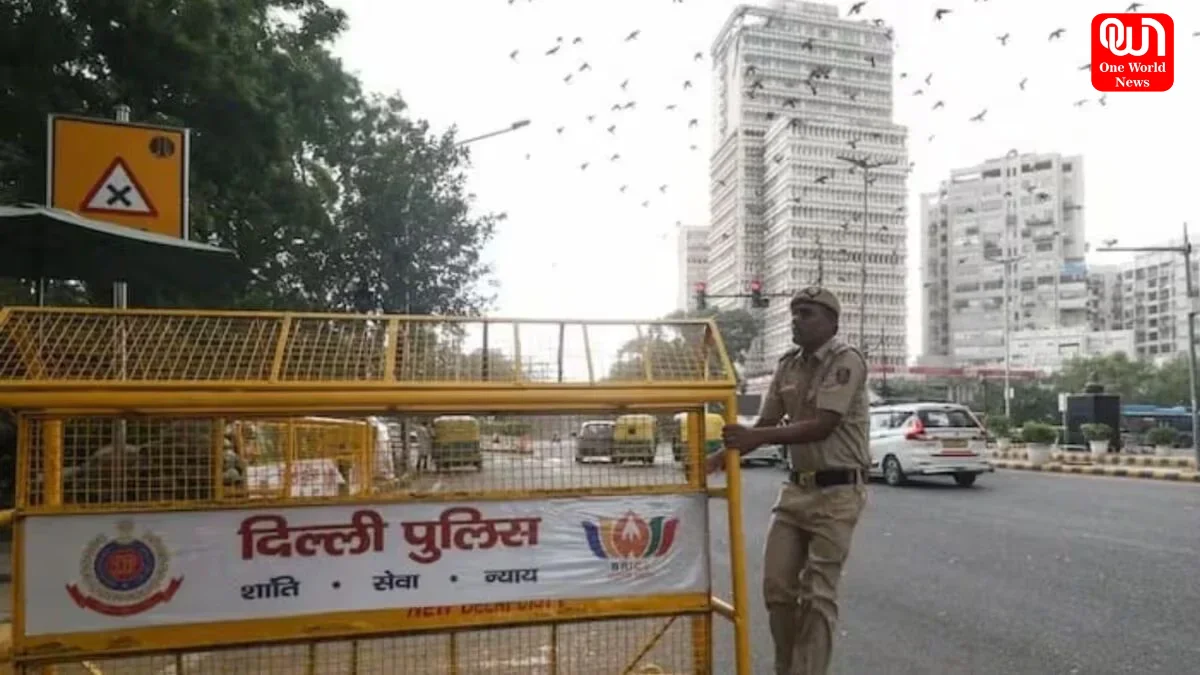
Delhi Police Seeks CAPF Extension Till October 20 as CJP Protests and the CEC Gyanesh Kumar Row Raise Security Concerns Amid the SIR Row; 2,800 Jawans Yet to Report to the Capital
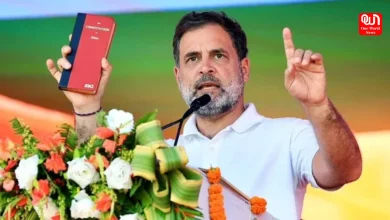
Delhi Police has sought an extension of the deployment of Central Armed Police Forces (CAPF) personnel in the national capital amid concerns that protests over electoral roll revisions could continue in the coming days. The request comes after demonstrations involving the Cockroach Janta Party (CJP) and other political groups brought heightened security arrangements to Delhi.
According to reports published on October 13, 2026, police have asked the Union Home Ministry to extend the deployment of 273 CAPF companies until October 20. Authorities are concerned about possible demonstrations near sensitive locations, including Jantar Mantar, the Election Commission headquarters, Parliament House and India Gate.
The situation has developed amid the ongoing controversy surrounding Chief Election Commissioner Gyanesh Kumar and allegations of irregularities in the Special Intensive Revision (SIR) of electoral rolls. Police have also reported that 28 of the 80 additional CAPF companies approved recently had not reported for duty as of October 12. <escape>[1]</escape>
Why Has Delhi Police Sought a CAPF Extension?
The request for a CAPF extension reflects concerns that demonstrations could continue beyond the original deployment period. The personnel had been mobilised to support Delhi Police in managing crowds, securing sensitive locations and responding to potential law-and-order challenges.
The original deployment was scheduled to end on October 12. In its communication to the Union Home Ministry, Delhi Police requested that 273 companies remain in the capital until October 20.
Police intelligence inputs reportedly indicated the possibility of further demonstrations by CJP and other organisations. Authorities are concerned that protests could spread beyond designated demonstration areas and affect locations associated with major government institutions.
The extension request is intended to ensure that adequate personnel remain available to respond quickly if the situation escalates. However, the request for an extension and the final approval of the deployment are separate matters.
27,000 CAPF Jawans: Understanding the Deployment
The headline figure of approximately 27,000 CAPF jawans refers to the scale of the force deployment associated with the 273 companies. A CAPF company generally comprises around 100 personnel, although actual strength can vary.
According to officials cited in media reports, a total of 301 CAPF companies had been approved for deployment in Delhi. This included 221 companies cleared on October 6 and another 80 approved on October 8.
The large deployment highlights the scale of security preparations undertaken in response to the anticipated demonstrations.
The Central Armed Police Forces support state and central authorities in various security duties, including crowd management, protection of sensitive installations and assistance during law-and-order situations. Their deployment in Delhi is intended to supplement the existing police force when additional manpower is required.
Why Are 2,800 CAPF Personnel Yet to Report?
One of the significant details in the latest development is that 28 of the 80 additional companies had not reported to Delhi Police by October 12. Based on an approximate strength of 100 personnel per company, this represents around 2,800 jawans.
The delay means that the full strength of the recently sanctioned additional deployment was not available to Delhi Police by the reported deadline.
However, this figure should be understood in context. The 2,800 personnel relate to the 28 companies that had not reported, rather than the entire CAPF deployment in the capital.
The available reports do not establish a single reason for the delayed reporting of these companies. The development is nevertheless relevant because authorities are seeking to maintain sufficient manpower while assessing the possibility of further protests.
CJP Protests and the CEC Gyanesh Kumar Row
The security concerns are closely linked to demonstrations organised by the Cockroach Janta Party and other groups over alleged irregularities in electoral roll revisions.
The protests have focused on the Special Intensive Revision of electoral rolls and demands for accountability from Chief Election Commissioner Gyanesh Kumar. Opposition groups have questioned aspects of the exercise and called for greater transparency in the electoral process.
The Election Commission’s functioning has consequently become a prominent subject of political debate. The allegations raised by protesters remain contested and should not be treated as established findings without supporting evidence or an authoritative determination.
CJP’s planned demonstrations have prompted police to prepare for possible gatherings at Jantar Mantar and near the Election Commission’s headquarters. Authorities are also monitoring the possibility of participation by other political groups, student organisations and activist movements.
Security Concerns Around Sensitive Locations
Delhi Police has reportedly identified several locations where demonstrations could create security and traffic-management challenges. These include Jantar Mantar, the Election Commission headquarters, Parliament House, India Gate and government offices.
Large gatherings near such locations require coordination between police units, traffic personnel and central security forces. Officials must balance the need to protect public infrastructure with the responsibility to facilitate lawful and peaceful demonstrations.
The possibility of protests spreading to additional areas has also contributed to the request for a longer CAPF deployment. Additional personnel can help authorities manage crowds, secure access points and respond to changing conditions.
The extension request does not necessarily mean that violence is expected. Rather, it reflects police preparations for possible scenarios based on intelligence inputs and the recent pattern of demonstrations.
Home Ministry’s Role in the CAPF Extension
The Union Home Ministry plays a central role in decisions concerning the deployment and continuation of central forces. Delhi Police’s request seeks to retain the required personnel beyond the original deadline so that security arrangements can continue while the protest situation remains uncertain.
The ministry’s decision will determine the formal status of the requested extension. Reports of a request should not automatically be interpreted as confirmation that every proposed deployment detail has been approved.
The coming days will be important in determining whether demonstrations continue, whether additional forces report to the capital and how authorities adjust security arrangements around sensitive sites.
Read more: IMD Issues Red Alert For Delhi As Heavy Rain, Thunderstorms Lash Capital
What Happens Next?
The immediate focus remains on the availability of CAPF personnel, the Home Ministry’s response and the possibility of further demonstrations linked to the SIR row.
Delhi Police is expected to continue monitoring intelligence inputs and coordinating with central forces to maintain public order. Political groups, meanwhile, may continue pressing their demands concerning electoral roll revisions and the Election Commission.
The situation could evolve depending on the scale of proposed protests and decisions taken by the authorities. Any further deployment changes will depend on official orders and the assessment of security requirements.
We’re now on WhatsApp. Click to join.
Like this post?
Register at One World News to never miss out on videos, celeb interviews, and best reads.