CJI Kant Declines to Meet Rahul Gandhi Ahead of INDIA Bloc Protest March
CJI Kant declines to meet Rahul Gandhi as the INDIA bloc plans a Supreme Court march over alleged vote chori, SIR and electoral irregularities.

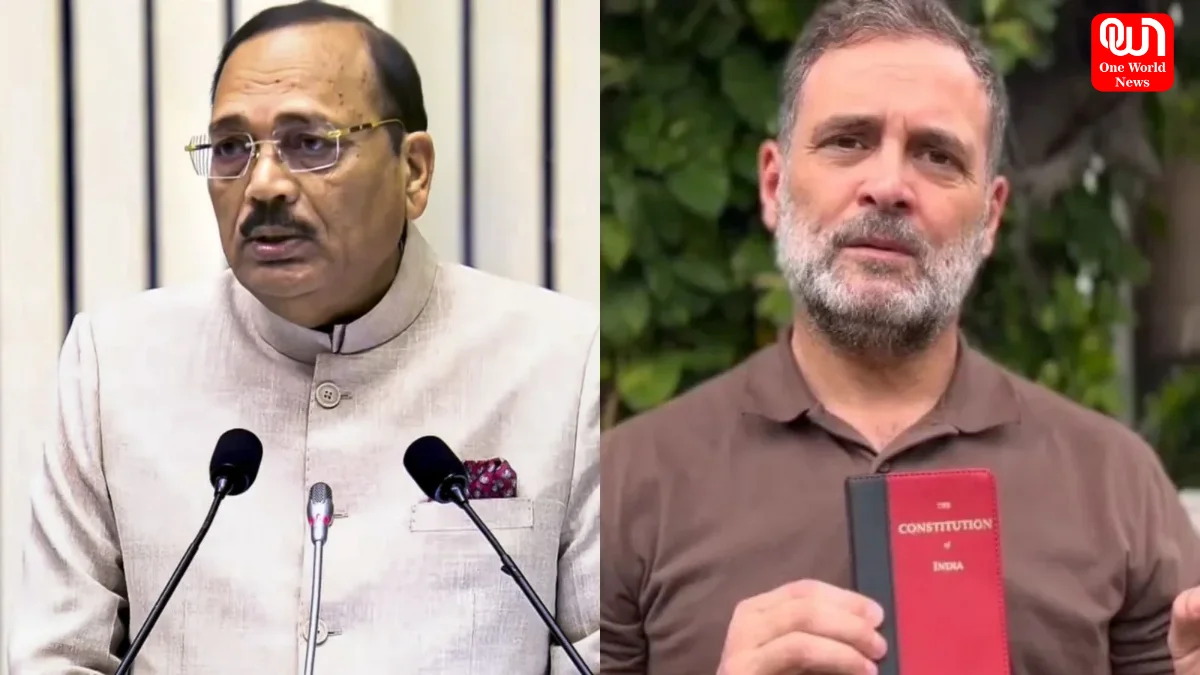
CJI Kant Declines to Meet Rahul Gandhi Ahead of INDIA Bloc’s Protest March to Supreme Court
The political atmosphere in New Delhi intensified after Chief Justice of India (CJI) Surya Kant declined a meeting request from Congress leader Rahul Gandhi and other INDIA bloc leaders ahead of their planned protest march to the Supreme Court. The opposition leaders wanted to raise concerns regarding alleged electoral irregularities, the Special Intensive Revision (SIR) of electoral rolls and the functioning of the Election Commission of India.
The development has attracted political attention, with opposition parties demanding greater transparency in the electoral process. Meanwhile, the Chief Justice emphasised that citizens and political representatives could approach the Supreme Court through the appropriate legal procedures to seek relief.
Why Did CJI Kant Decline to Meet Rahul Gandhi?
Rahul Gandhi and other opposition leaders reportedly sought an appointment with CJI Kant to submit a memorandum outlining their concerns about electoral processes and alleged irregularities. The delegation intended to highlight issues surrounding voter-list revisions and the opposition’s allegations of vote manipulation.
However, the Chief Justice declined the request, indicating that the issues should be raised through formal judicial proceedings. The decision reflects the importance of maintaining established procedures when political parties seek intervention in matters that may require judicial consideration.
The refusal to hold a direct meeting does not prevent opposition leaders from approaching the Supreme Court through legally recognised channels. Instead, they must follow the prescribed process for presenting their concerns before the judiciary.
What Is the INDIA Bloc’s Protest About?
The INDIA bloc has been raising concerns about the electoral process and demanding accountability from the Election Commission of India. Opposition parties have particularly criticised the Special Intensive Revision, an exercise intended to review and update electoral rolls.
The opposition argues that voter-list revisions must be transparent and should not result in eligible citizens losing their voting rights. Leaders have also called for stronger safeguards to ensure that electoral procedures remain fair and accessible.
The protest centres on several demands, including:
- Greater transparency in electoral-roll revisions.
- Action against alleged electoral irregularities.
- An end to the SIR exercise, as demanded by opposition parties.
- The resignation of Chief Election Commissioner Gyanesh Kumar.
- Stronger safeguards to protect eligible voters.
These demands form part of the opposition’s broader campaign against what it describes as vote chori. However, allegations of electoral wrongdoing must be distinguished from facts established through evidence or judicial findings.
Rahul Gandhi Calls for a March to the Supreme Court
Rahul Gandhi has urged opposition supporters, young people and civil society members to participate in the planned march to the Supreme Court. The Congress leader has presented the demonstration as an effort to defend democratic values and protect citizens’ voting rights.
The INDIA bloc’s protest is intended to draw attention to concerns surrounding electoral transparency and the functioning of democratic institutions. Gandhi has also criticised the handling of earlier demonstrations, alleging that protesters faced excessive force.
The planned march represents another stage in the opposition’s campaign to press for changes in electoral procedures. By bringing together leaders from multiple opposition parties, the INDIA bloc hopes to strengthen its demand for accountability and encourage wider public discussion.
CJI Kant Says the Supreme Court Is Open to Everyone
Despite declining the meeting request, CJI Surya Kant emphasised that the Supreme Court remains accessible to every Indian citizen. His remarks underlined that individuals and political representatives can approach the judiciary for appropriate legal relief.
The Chief Justice indicated that the court would consider matters brought before it according to the law and grant relief wherever justified. This position highlights the difference between a direct meeting with the Chief Justice and filing a petition through established judicial procedures.
For the opposition, the statement means that concerns about electoral practices can still be presented through the appropriate legal channels. The court’s consideration of any such matter would depend on the legal arguments, evidence and applicable rules.
Security Arrangements Ahead of the INDIA Bloc Protest
The planned demonstration prompted security preparations in central Delhi. Authorities deployed personnel and installed barricades at several locations to manage the anticipated gathering and maintain public order.
Reports also indicated that restrictions were planned at selected Delhi Metro stations as part of the security arrangements. Such measures are commonly used during major demonstrations to control crowd movement and reduce the risk of disruption.
The security preparations reflect the sensitivity of the planned march, which brings together political opposition leaders and supporters around contentious questions concerning India’s electoral system.
What Happens Next in the Electoral Dispute?
The developments involving CJI Kant and Rahul Gandhi have renewed attention on the debate over electoral transparency and the SIR exercise. The INDIA bloc continues to demand accountability, while the judiciary has emphasised that grievances must be presented through the proper legal process.
The next stage will depend on how the opposition pursues its demands and whether the relevant concerns are brought before the courts through formal proceedings. Any judicial determination will depend on the material and arguments presented.
The dispute also raises broader questions about voter protection, the accuracy of electoral rolls and public confidence in democratic institutions. Ensuring that eligible citizens can exercise their voting rights remains a central consideration in discussions about electoral reform.
Conclusion
CJI Kant’s decision to decline a meeting with Rahul Gandhi ahead of the INDIA bloc’s protest march has added another development to the ongoing political debate over alleged electoral irregularities. While the opposition seeks greater transparency and accountability, the Chief Justice has stressed the importance of following established judicial procedures.
The episode highlights the continuing tension between political demands for electoral reform and the legal mechanisms available to address such concerns. The outcome will depend on future political developments, formal legal proceedings and the evidence presented before the appropriate authorities.
We’re now on WhatsApp. Click to join.
Like this post?
Register at One World News to never miss out on videos, celeb interviews, and best reads.