Rahul Gandhi’s 10 Demands In Supreme Court: From SIR Stay To Independent Audit Of Electoral Rolls
Rahul Gandhi's Supreme Court petition seeks an SIR stay, independent electoral roll audit and transparency from EC and CEC Gyanesh Kumar.

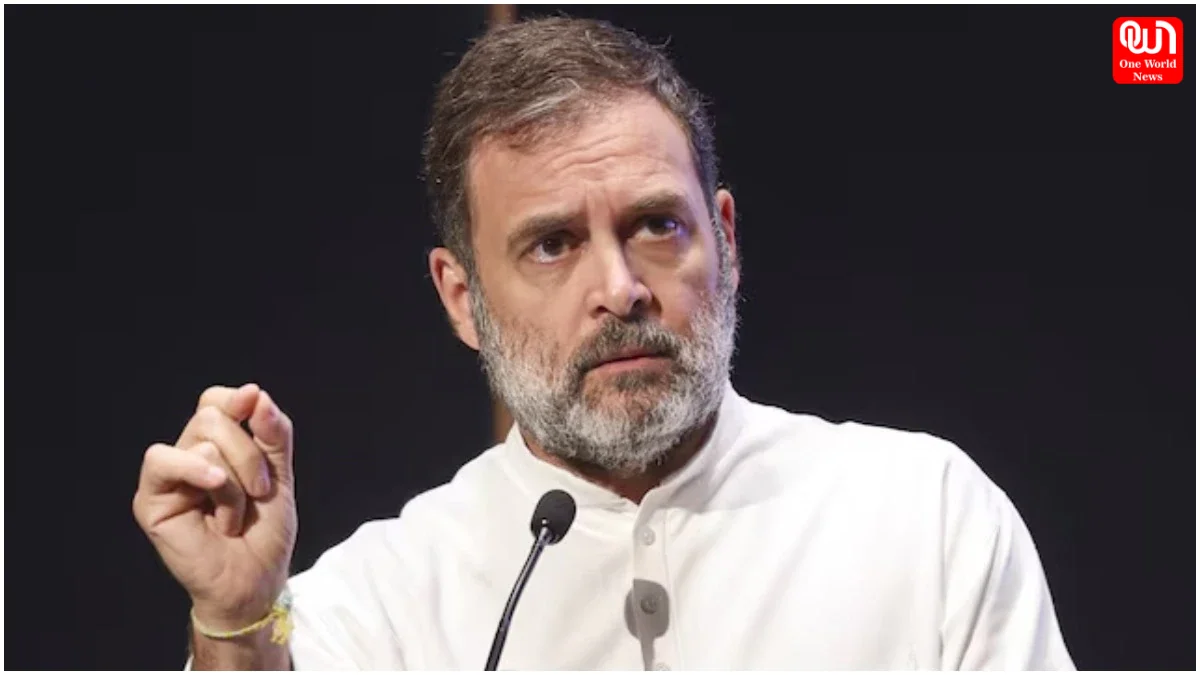
Rahul Gandhi Supreme Court Petition: 10 Key Demands Against EC and CEC Gyanesh Kumar, Including SIR Stay, Voter List Audit and Electoral Roll Transparency
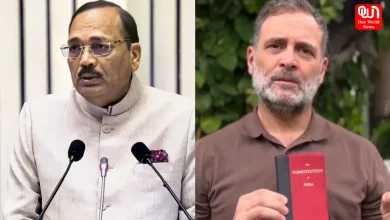
Congress leader Rahul Gandhi and other INDIA bloc leaders have approached the Supreme Court of India with a petition challenging decisions and alleged irregularities linked to the Election Commission of India (ECI). Filed on October 12, 2026, the petition seeks greater transparency in the preparation and revision of electoral rolls, an independent audit of voter deletions and safeguards to protect eligible citizens’ voting rights. <escape>Source: NDTV</escape>
The Rahul Gandhi Supreme Court petition focuses on the Special Intensive Revision (SIR) of electoral rolls and the Election Commission’s decision-making process. The opposition has raised questions about the role of Chief Election Commissioner (CEC) Gyanesh Kumar and the procedures followed during the revision exercise.
The petition seeks 10 forms of relief, ranging from disclosure of official records to a temporary suspension of the ongoing SIR process. Here is a detailed look at the major demands.
What Is the Special Intensive Revision (SIR)?
The Special Intensive Revision SIR is an exercise undertaken by the Election Commission to review and update electoral rolls. Its purpose is to improve the accuracy of voter lists and ensure that eligible citizens are properly registered.
However, Rahul Gandhi and other opposition leaders have raised concerns about how the exercise is being implemented, particularly regarding voter deletions, access to electoral databases and safeguards against the wrongful removal of eligible voters.
The petition does not simply question the revision exercise itself; it seeks scrutiny of specific decisions, procedures and safeguards associated with its implementation.
Rahul Gandhi’s 10 Demands In The Supreme Court
1. Disclosure of All Election Commission Records
The first demand asks the Supreme Court to direct the ECI to produce complete records related to the disputed SIR decisions. These include official files, meeting minutes, objections, internal notes and relevant access logs from the ECINET and ERONET electoral databases.
The petition argues that these documents are necessary to determine how decisions were made and whether the applicable legal procedures were followed.
2. Examination of the Legality of SIR Decisions
The petition seeks judicial scrutiny of whether the disputed decisions comply with Article 324 of the Constitution and Section 18 of the Chief Election Commissioner and Other Election Commissioners Act, 2023.
It also refers to established Supreme Court principles governing the functioning of the Election Commission. The petition asks that decisions found to lack proper legal authority be set aside.
3. Action Against Officials Found Responsible
Another demand seeks appropriate action against officials found to have violated constitutional or statutory provisions governing electoral rolls.
The petition refers to Section 32 of the Representation of the People Act, 1950, where applicable. Any action would depend on the findings and the relevant legal provisions.
4. Proper Consideration of Grievances
The petition asks the Election Commission to address the grievances raised concerning SIR and ensure that decisions are made according to law.
It also seeks properly documented decision-making, emphasising accountability and transparency in the functioning of the constitutional body.
5. Changes to Online Form 6 Must Follow the Rules
Form 6 is used by eligible citizens to apply for inclusion in electoral rolls. The petition asks the ECI to ensure that the online version conforms to the prescribed form under the Registration of Electors Rules, 1960.
It argues that changes departing from the prescribed format should follow the legally required amendment procedure rather than being introduced through unauthorised modifications.
6. Independent Audit of Electoral Rolls and EVMs
One of the most significant demands in the Rahul Gandhi SIR petition is the formation of an independent committee headed by a retired Supreme Court judge, supported by technical experts and eminent citizens.
The proposed panel would audit voter deletions and modifications, examine access to ECINET and ERONET databases, and review the technical systems, policies and protocols governing Electronic Voting Machines (EVMs). The petition also calls for consideration of international best practices to strengthen confidence in elections.
7. Publish Deleted Voters’ Names and Reasons
The petition seeks the publication of booth-wise lists of voters whose names were removed during the SIR. It asks the Election Commission to disclose the reasons for individual deletions and provide age-wise and gender-wise information.
It also calls for a functional mechanism to restore the names of eligible citizens who were wrongly excluded. The objective is to make the revision process more transparent and help affected voters seek timely corrections.
8. No Voter Deletion Without Notice and Hearing
Another important demand is that no eligible voter’s name should be deleted without legally required notice and a reasonable opportunity to be heard.
The petition also seeks safeguards allowing eligible citizens in Punjab and other poll-bound states to apply for inclusion in electoral rolls until the applicable legal deadline. This demand highlights concerns about due process and the potential consequences of errors in voter records.
9. Interim Stay on the Ongoing SIR Process
The opposition has asked the Supreme Court to temporarily suspend the ongoing Special Intensive Revision across states until the issues raised in the petition are examined and decided.
According to the petitioners, a temporary stay would help protect eligible voters while the court considers the legality of the disputed decisions and the adequacy of existing safeguards.
However, a stay is a request made by the petitioners, not an automatic suspension of the SIR. The final outcome depends on the court’s orders.
10. Additional Relief Considered Necessary by the Court
The final demand asks the Supreme Court to issue any further directions or orders it considers appropriate to protect electoral integrity and the voting rights of eligible citizens.
This provision allows the court to consider additional remedies based on the facts, arguments and applicable law.
Why Is the Petition Against EC and CEC Gyanesh Kumar Significant?
The petition places the functioning of the Election Commission and the role of CEC Gyanesh Kumar under judicial scrutiny. The opposition has questioned whether disputed decisions relating to the SIR were taken through the legally required collective decision-making process.
It also raises concerns about the security and management of digital electoral databases, transparency in voter deletions and the procedures followed when changes are made to electoral rolls.
The Election Commission’s records and the legal arguments presented by the parties will be important in assessing these allegations. The claims in the petition should not be treated as established findings of wrongdoing.
As of October 13, 2026, reports indicate that the Supreme Court registry has flagged procedural defects in the joint petition, including a court-fee shortfall and missing authorisation documents. The legal team has sought time to address the objections, meaning the proposed reliefs should not be confused with orders already granted by the court.
Read more: IMD Issues Red Alert For Delhi As Heavy Rain, Thunderstorms Lash Capital
Conclusion
Rahul Gandhi’s Supreme Court petition brings electoral transparency, voter protection and institutional accountability into focus. Its 10 demands cover disclosure of Election Commission records, scrutiny of SIR decisions, an independent audit of electoral databases, safeguards against wrongful voter deletions and a proposed interim suspension of the revision exercise.
The Rahul Gandhi Supreme Court petition also seeks a review of EVM-related protocols and changes to online Form 6. The next steps will depend on the correction of procedural defects and subsequent judicial consideration.
Ultimately, the case raises important questions about how electoral rolls should be revised while protecting eligible citizens’ rights. The court’s consideration of these issues, alongside the Election Commission’s response, will determine what legal safeguards or remedies may follow.
We’re now on WhatsApp. Click to join.
Like this post?
Register at One World News to never miss out on videos, celeb interviews, and best reads.