After Saurav Das, Lookout Circulars Against CJP Founder Abhijeet Dipke and Ashutosh Ranka
Lookout Circulars against CJP's Abhijit Dipke and Ashutosh Ranka after Saurav Das raise questions over the Delhi High Court and election officials.

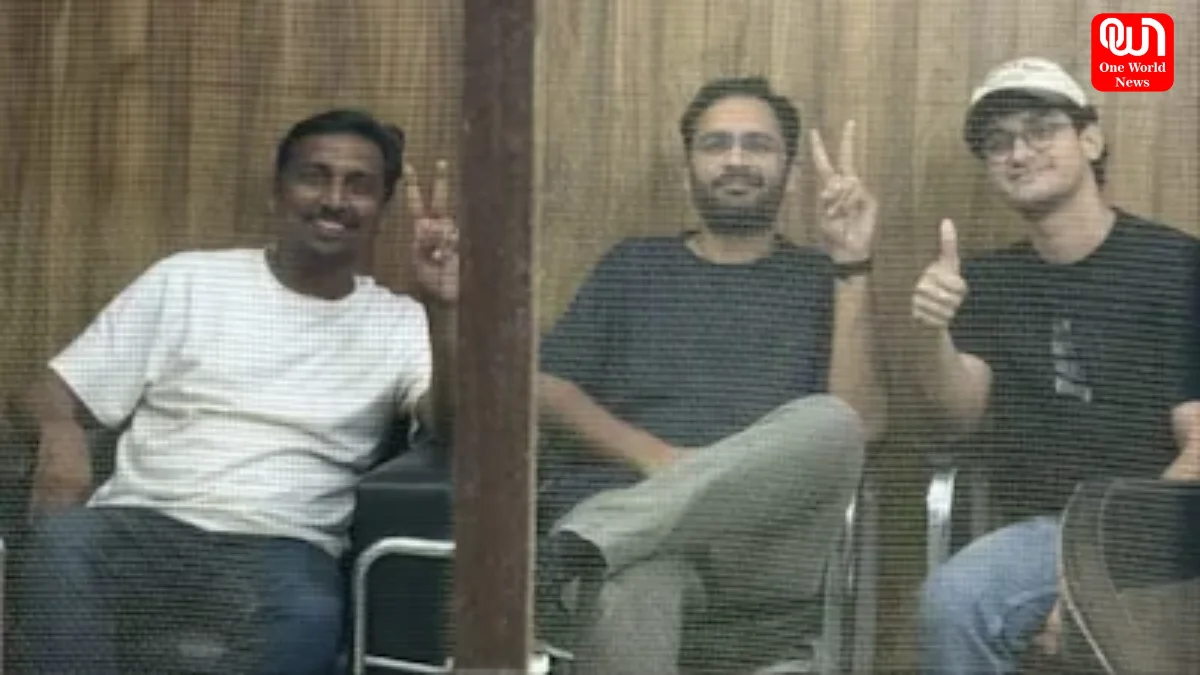
After Saurav Das, Lookout Circulars Against Cockroach Janta Party Founder Abhijit Dipke and Ashutosh Ranka: Delhi High Court Case, Gyanesh Kumar and Chief Election Commissioner Controversy Explained
The political controversy surrounding the Cockroach Janta Party (CJP) has intensified after Mumbai Police issued Lookout Circulars (LOCs) against party founder Abhijeet Dipke and co-convenor Ashutosh Ranka. The action follows a similar circular against another CJP leader, Saurav Das, who was stopped from travelling to the United Kingdom at Delhi’s Indira Gandhi International Airport.
According to reports dated November 26, 2026, the three leaders are facing LOCs in connection with an FIR registered after the party’s October 2 protest at Shivaji Park in Mumbai. The development has attracted national attention, particularly after Saurav Das approached the Delhi High Court challenging the circumstances surrounding the restriction on his international travel.
The matter has also brought renewed attention to the party’s campaign against Chief Election Commissioner Gyanesh Kumar and its allegations concerning electoral processes in India.
Why Were LOCs Issued Against Abhijeet Dipke and Ashutosh Ranka?
The Lookout Circulars are connected to the Cockroach Janta Party’s October 2 demonstration at Mumbai’s Shivaji Park on the occasion of Gandhi Jayanti.
The party had organised the gathering as part of its campaign against alleged irregularities in the Special Intensive Revision (SIR) of electoral rolls. During the protest, CJP members demanded the resignation of Chief Election Commissioner Gyanesh Kumar and raised concerns about electoral transparency.
However, Mumbai Police had reportedly refused permission for the gathering, citing restrictions on public meetings at Shivaji Park and concerns regarding traffic and inconvenience to nearby residents.
Despite the refusal, the party proceeded with its demonstration. Subsequently, Shivaji Park Police registered an FIR on October 3 against several organisers and hundreds of unidentified participants.
The FIR reportedly includes allegations relating to unlawful assembly and disobedience of orders issued by public servants. Mumbai Police later issued LOCs against Abhijeet Dipke, Ashutosh Ranka and Saurav Das over the case.
Saurav Das Stopped at Delhi Airport Before London Trip
The controversy became more prominent when CJP co-convenor Saurav Das was stopped at Delhi airport on November 23, 2026, while preparing to board a flight to London.
Das was scheduled to attend a panel discussion at Oxford University. However, immigration officials prevented him from travelling after identifying an active Lookout Circular against him.
Following the incident, Das approached the Delhi High Court, seeking clarification about the restriction and challenging the circumstances in which he was prevented from leaving India.
During the November 26 proceedings, the Union government informed the court that the LOC had been issued following a request from Mumbai Police during the intervening night of November 22 and 23.
Senior advocate Akhil Sibal, representing Das, questioned why his client had not been informed about the circular before reaching the airport. He also sought information about the grounds and purpose of the travel restriction.
The government, represented by Additional Solicitor General Chetan Sharma, separately referred to alleged discrepancies in Das’s passport records concerning his birthplace, address and parentage.
The court issued notice to the Centre and listed the matter for further hearing on December 9, 2026.
What Is a Lookout Circular and Why Is It Important?
A Lookout Circular, commonly known as an LOC, is an alert circulated among immigration authorities and other relevant agencies to monitor the movement of individuals.
Depending on the instructions issued, an LOC may require authorities to inform an investigating agency about a person’s arrival or departure or prevent the individual from leaving the country.
Law enforcement agencies generally request such alerts when they believe an individual may avoid investigation, evade legal proceedings or leave the country.
However, the issuance and implementation of an LOC must follow applicable government guidelines and legal procedures. Individuals affected by such restrictions can approach the appropriate legal forum to challenge them.
In the present case, the LOCs against CJP leaders have raised questions about the use of travel restrictions in matters involving political demonstrations and ongoing investigations.
CJP’s Campaign Against Chief Election Commissioner Gyanesh Kumar
The October 2 protest was part of a wider political campaign by the Cockroach Janta Party against the functioning of electoral institutions.
The organisation raised concerns about the Special Intensive Revision of electoral rolls and demanded accountability from Chief Election Commissioner Gyanesh Kumar.
Read more: No Structural Excess Capacity: India Rejects Trump Administration’s 25% Tariff Proposal
The SIR exercise has generated considerable political discussion, particularly around voter verification, electoral participation and the accuracy of voter lists.
Through its Chalo Mumbai campaign, CJP attempted to bring these concerns into public discussion. Reports indicated that thousands of people attended the Shivaji Park gathering, including actors Naseeruddin Shah and Shabana Azmi and filmmaker Anand Patwardhan.
The demonstration became a significant event for the organisation, bringing its political campaign and demands into wider public attention.
Political and Legal Controversy Continues
The LOCs against Abhijeet Dipke and Ashutosh Ranka have expanded the controversy beyond the airport incident involving Saurav Das.
The developments have raised broader questions about the balance between maintaining public order and protecting individual rights, particularly when political organisations organise demonstrations against government institutions.
For CJP, the immediate challenge involves addressing the police case and the restrictions affecting its leadership.
At the same time, the legal proceedings involving Saurav Das could provide further clarity regarding the government’s position and the circumstances in which the circular was issued.
It is important to remember that an FIR or Lookout Circular does not establish an individual’s guilt. The allegations will have to be examined through the appropriate legal process.
Conclusion
The Lookout Circulars against Cockroach Janta Party founder Abhijeet Dipke and co-convenor Ashutosh Ranka, following the action against Saurav Das, have created a significant political and legal controversy.
The matter originated with the October 2 Shivaji Park protest against alleged electoral irregularities and demands for the resignation of Chief Election Commissioner Gyanesh Kumar. It has since developed into a wider debate involving Mumbai Police, immigration authorities, travel restrictions and the Delhi High Court.
With Saurav Das’s next court hearing scheduled for December 9, 2026, further developments are expected in the coming weeks. The outcome could have important implications for the CJP leaders and the wider discussion surrounding political demonstrations and individual freedoms in India.
We’re now on WhatsApp. Click to join.
Like this post?
Register at One World News to never miss out on videos, celeb interviews, and best reads.