New COVID Variant 2026: PJ.2.1 COVID Variant Spreading Globally, Symptoms, Vaccine Effectiveness and Winter Surge Risks
New COVID variant 2026 PJ.2.1 spreads globally. Know new COVID symptoms, vaccine effectiveness, India risks and winter precautions.

New COVID Variant 2026: PJ.2.1 COVID Variant Raises Concerns Worldwide – Know New COVID Symptoms, COVID-19 Vaccine Effectiveness, COVID Variant India Updates and Winter Precautions
The emergence of the new COVID PJ.2.1 variant has raised concerns among health experts as infections are being detected across several countries. First identified in Ontario, Canada, in May 2026, this newly emerging SARS-CoV-2 lineage has subsequently been reported in the United States, Singapore, Australia, New Zealand, Israel, France and Spain.
With winter approaching, people are increasingly concerned about another possible COVID winter wave. Researchers are studying the genetic changes in the PJ.2.1 COVID variant to understand its transmission potential, symptoms and ability to escape existing immunity.
However, preliminary research offers some reassurance. There is currently no convincing evidence that PJ.2.1 causes more severe illness than previously circulating variants. Here is what you should know about its spread, possible health risks and preventive measures.
What Is the New COVID PJ.2.1 Variant?
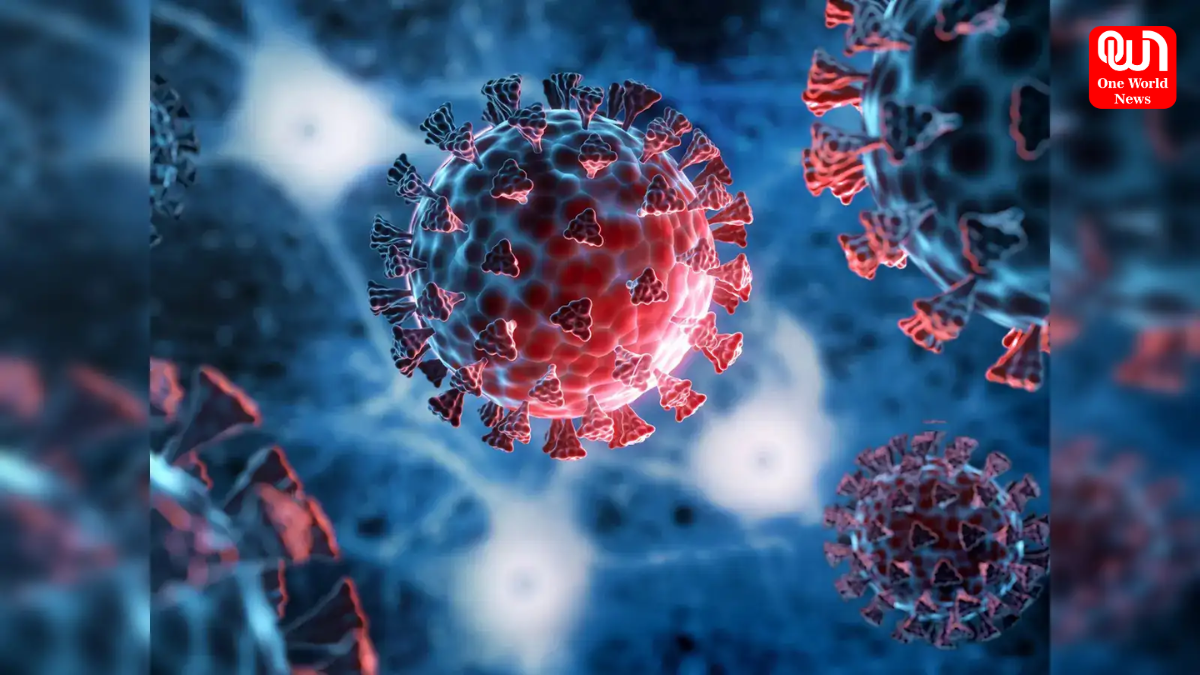
PJ.2.1 is a newly identified lineage of SARS-CoV-2, the virus responsible for COVID-19. Researchers have described it as a saltation variant because it contains several genetic changes compared with its earlier lineage.
According to research published in the Journal of Infection in October 2026, PJ.2.1 originated from MC.10.1.7, a descendant of the JN.1 lineage. Its first documented sample was collected in Ontario, Canada, on May 2, 2026.
The variant has subsequently been detected in multiple countries. Its increasing presence in North America has attracted attention from researchers monitoring coronavirus transmission.
In Ontario, PJ.2.1 represented 25.2% of sequenced COVID-19 samples between September 20 and October 17, 2026, compared with 16.9% during the previous four-week period.
Why Is the PJ.2.1 COVID Variant Spreading Globally?
One major reason scientists are investigating PJ.2.1 is its highly mutated spike protein. The spike protein helps the coronavirus attach to ACE2 receptors on human cells.
Preliminary laboratory findings suggest that PJ.2.1 may bind more efficiently to these receptors, potentially improving its ability to enter certain human cells.
However, increased cell-entry efficiency does not automatically mean that a virus spreads more easily between people or causes more severe infections.
Researchers are also examining whether the variant can escape antibodies produced through previous infections and vaccinations. Initial findings have not demonstrated substantially greater immune evasion compared with most other variants examined.
Further research and real-world surveillance will be necessary to understand its transmission patterns.
What Are the New COVID Symptoms of PJ.2.1?
Currently, there is no confirmed unique symptom pattern specifically associated with the PJ.2.1 COVID variant. Its symptoms may resemble those caused by earlier COVID-19 variants, seasonal influenza and common respiratory infections.
Some commonly reported COVID-19 symptoms include:
- Fever and chills
- Persistent cough
- Sore throat
- Runny or blocked nose
- Headache
- Muscle and body pain
- Fatigue and weakness
- Shortness of breath
- Loss or changes in taste and smell
- Nausea and digestive discomfort
Not everyone experiences the same symptoms. Some individuals may develop mild illness, while older adults and people with underlying medical conditions may face a greater risk of complications.
Since symptoms overlap with other winter respiratory infections, testing may be required to identify the cause.
Is PJ.2.1 More Dangerous Than Previous COVID Variants?
At present, there is insufficient clinical evidence to establish that PJ.2.1 causes more severe disease, hospitalisations or deaths than earlier COVID-19 variants.
Scientists are still examining its behaviour, and laboratory observations alone cannot determine how dangerous a variant will be in real-world conditions.
Older adults, people with diabetes, individuals with heart or lung conditions and those with weakened immune systems should remain particularly cautious.
People experiencing persistent fever, worsening cough or breathing difficulties should seek medical advice rather than ignoring their symptoms.
Does the COVID-19 Vaccine Protect Against PJ.2.1?
Concerns about COVID-19 vaccine effectiveness have increased following the emergence of PJ.2.1.
Preliminary laboratory research suggests that antibodies produced after receiving an LP.8.1-adapted COVID-19 vaccine can neutralise this variant. However, its sensitivity to antibody neutralisation was approximately 1.8 times lower than that of the LP.8.1 reference variant.
Read more: Can AI Personalise Menopause Care? How Technology Can Transform Women’s Health
These findings suggest that PJ.2.1 has not demonstrated dramatic resistance to vaccine-induced antibodies.
Nevertheless, laboratory findings do not establish exactly how effectively vaccination prevents infection or severe illness in everyday conditions.
People at higher risk should consult healthcare professionals about recommended COVID-19 vaccinations and updated booster doses.
COVID Variant India: Should Indians Be Worried?
The spread of PJ.2.1 internationally has also raised questions about its possible impact on India.
As of November 12, 2026, there is no confirmed evidence of widespread PJ.2.1 transmission in India. However, continued genomic surveillance remains important to identify new variants and monitor changes in circulating coronavirus lineages.
Winter also brings an increase in respiratory illnesses, including influenza, common colds and other seasonal infections.
Therefore, people should remain informed and follow basic preventive measures without assuming that another major COVID-19 outbreak is approaching.
COVID Precautions to Follow During Winter 2026
Following simple preventive measures can help reduce the risk of COVID-19 and other respiratory infections.
- Wear a mask: Consider wearing a well-fitting mask in crowded indoor environments and poorly ventilated spaces.
- Maintain hand hygiene: Wash your hands regularly using soap and water or an alcohol-based sanitiser.
- Improve ventilation: Keep indoor spaces properly ventilated whenever possible.
- Avoid close contact: Stay home when experiencing fever, cough or other respiratory symptoms.
- Consider testing: Get tested if COVID-19 is suspected, particularly if you belong to a high-risk group.
- Follow vaccination advice: Consult your doctor about recommended COVID-19 vaccines.
- Seek medical attention: Do not ignore chest pain, breathing difficulties or rapidly worsening symptoms.
These precautions are particularly important for older adults and individuals with underlying health conditions.
Should You Be Worried About a COVID Winter Surge?
The emergence of the PJ.2.1 COVID variant highlights that the coronavirus continues to evolve. Its detection across multiple countries deserves attention, but current scientific findings do not establish that it causes more severe illness or significantly escapes vaccine-induced immunity.
Read more: Crooked Teeth Treatment: Straighten Your Smile with Clear Aligners
For India, there is currently no confirmed evidence of widespread PJ.2.1 transmission or an impending major outbreak.
Rather than panicking, people should focus on vaccination guidance, timely testing, respiratory hygiene and protecting vulnerable family members. Continued research and genomic surveillance will help experts understand whether PJ.2.1 could influence COVID-19 trends during winter 2026.
The bottom line: Stay informed, follow sensible COVID precautions and avoid unnecessary panic. The emergence of a new variant does not automatically mean another dangerous COVID wave is coming.
We’re now on WhatsApp. Click to join.
Like this post?
Register at One World News to never miss out on videos, celeb interviews, and best reads.