Aligners: How They Are Made and How They Straighten Your Teeth
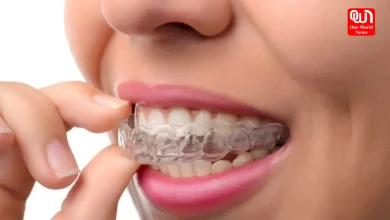
Aligners are clear, removable, custom-made trays that gently move your teeth into a better position.

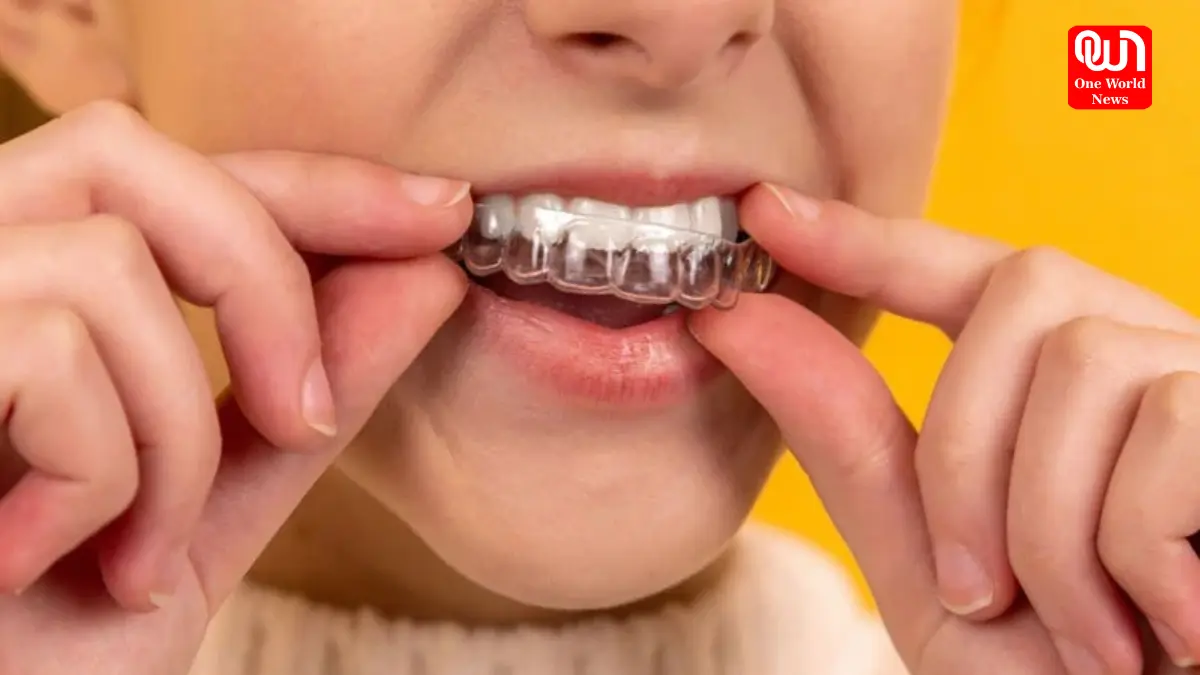
Aligners are clear, removable, custom-made trays that gently move your teeth into a better position. Each tray is made for your mouth only, worn for about one to two weeks, and followed by the next in the series. Behind every set is a team of dental technicians and digital designers who turn your dentist’s plan into a physical treatment.
This guide takes you behind the scenes and answers the questions people ask most.
What Are Aligners? A Simple Explanation
Aligners are thin, clear trays shaped from a digital scan or impression of your teeth. Each tray is a small step in a larger plan. Your teeth move a little with each one, and over several months those small steps add up to a straighter, more balanced smile.
Because the plan is mapped in advance, you can often preview your expected result before treatment begins.
How Are Aligners Made?
Most people only see the first and last steps of aligner treatment. Here is what happens in between:
- Your dentist captures your teeth. A digital scan or impression records the exact shape of your teeth and bite.
- The case reaches the lab. The dentist sends records and treatment goals to the dental laboratory.
- Digital planning begins. Technicians build a 3D model of your teeth and map each stage of movement.
- Your dentist reviews the plan. The dentist can adjust it until it suits your goals and your oral health.
- Trays are produced. Once the plan is approved, each tray in the series is made to match its stage.
- Finishing and checking. Every tray is trimmed, polished, and inspected before it is packed.
- Delivery to your dentist. Your dentist hands over your aligners and guides you through wearing them.
Why Custom-Made Aligners Feel Comfortable
Aligners work best when they fit closely. A tray made from your own scan sits snugly on your teeth and edges, so it feels comfortable and stays in place. A thoughtful design also helps with:
- Smooth edges that sit gently against your gums
- Steady, gradual pressure rather than sudden movement
- Clear material that blends in when you talk and smile
What Problems Can Aligners Correct?
Aligners can help with many common concerns:
- Crooked or crowded teeth, where teeth overlap or twist
- Gaps between teeth
- Overbite or underbite in suitable cases
- Crossbite, where upper and lower teeth sit unevenly
- Teeth that have drifted after earlier braces or years without a retainer
Your dentist will confirm if aligners suit your case. Many mild to moderate concerns responds very well.
Aligners vs Braces: Choosing What Fits Your Life
| Aligners | Traditional braces | |
| Look | Clear | Metal or ceramic brackets |
| Removable | Yes | No |
| Eating | Take out for meals | Some foods need to be avoided |
| Cleaning | Brush and floss as usual | Needs special tools |
| Preview of result | Often a 3D smile preview | Usually not shown |
| Check-ups | Fewer visits in many cases | Regular adjustments |
Both options work well. Your dentist can help you choose based on your teeth, your goals, and your routine.
How Long Do Aligners Take to Straighten Teeth?
Most clear aligner treatments run between 6 and 18 months. The time depends on three things:
- How much movement your teeth need
- Wearing your aligners for 20 to 22 hours a day
- Changing trays on the schedule your dentist gives you
Consistency is the simplest way to keep your plan on track.
Aligners Cost in India: What Shapes the Price
The cost of aligners depends on:
- The complexity of your case
- The number of trays in your plan
- The materials and the way the aligners are made
- Your dentist’s treatment plan and follow-up visits
A written treatment plan from your dentist shows clearly what is included, and many clinics offer easy payment options such as payment as you go ahead, EMI options, and so on.
Living With Aligners: Eating, Drinking and Cleaning
- Eating: Take them out for meals, then brush them before putting them back.
- Drinking: Plain water is fine with aligners in. For tea, coffee or juice, take them out first.
- Cleaning: Rinse with cool water and brush gently each day.
- Storage: Keep them in their case when they are out of your mouth.
- Speaking: Most people adjust within a few days.
A mild feeling of pressure when you begin a new tray is normal and shows your teeth are moving.
Aligners for Adults, Teens and Busy Professionals
Adults appreciate how clear the aligners look in meetings, on camera, and at family events. Teens and young adults enjoy eating and playing sports without brackets. With fewer adjustment visits in many cases, aligners also suit busy calendars.
Read More: Crooked Teeth Treatment: Straighten Your Smile with Clear Aligners
Aligners for NRIs: Plan Your Smile Journey from Anywhere
If you live abroad, your smile plans do not have to wait. Many NRIs begin with a conversation before they travel, then plan their aligner treatment around visits home.
Book a free video consultation to discuss your goals, understand the process and see how your treatment can fit your travel.
Why Dentist-Led Aligners Matter
A laboratory can craft a tray with great precision, but your dentist is the one who knows your bite, your gum health and your goals. There are few aligner providers available in India that are designed to be prescribed and monitored by dental professionals. The dentist leads, and the lab supports accurate planning and careful manufacturing.
Whichever aligners you choose, the principle is the same. Align with your dentist so your plan is built around your teeth.
Tips to Get the Most from Your Aligner Treatment
- Wear them for the recommended hours every day
- Brush and floss before putting them back in
- Carry your case so aligners are never wrapped in a napkin
- Change trays on the date your dentist gives you
- Wear your retainers after treatment
- Keep your check-up appointments
Aligners FAQs: Questions People Ask Most
What are aligners made of?
They are made from clear, medical-grade plastic that is shaped to fit your teeth.
Who makes aligners?
Aligners are made in dental laboratories from the scans and treatment plan your dentist provides.
Are aligners painful?
Most people feel mild pressure for the first day or two of each new tray, which usually fades quickly.
Can I eat normally with aligners?
Yes. You take them out for meals, so you can enjoy the foods you like.
How many hours a day should I wear aligners?
Around 20 to 22 hours a day gives the steadiest progress.
Will aligners change how I speak?
You may notice a slight lisp at first, which usually settles within a few days.
How often do I change my aligners?
Usually every one to two weeks, as your dentist advises.
Are aligners suitable for teenagers?
Yes, when a dentist confirms that the teeth and jaws are ready for treatment.
Do I need retainers after aligners?
Yes. Retainers help your teeth stay in their new position.
Can I start aligner treatment from abroad?
Yes. You can begin with a free video consultation and plan your visits around your trips to India.
How do I know if aligners are right for me?
A consultation with your dentist is the ideal starting point, since they can examine your teeth and suggest a plan.
Ready to Explore Aligners? Take the First Step
A well-aligned smile starts with a conversation. Talk to your dentist about your goals, ask to see your treatment plan, and see your future smile before you begin.
We’re now on WhatsApp. Click to join.
Like this post?
Register at One World News to never miss out on videos, celeb interviews, and best reads.