WhatsApp, Telegram Won’t Work Without Active SIM From January 1, 2027: What Users Must Know
SIM binding India rules may change WhatsApp and Telegram access from 2027. Learn about active SIM requirements, web sessions and cyber fraud India.

WhatsApp, Telegram SIM Binding India Rules From January 1, 2027: DoT Cybercrime Directive, Messaging App Security, WhatsApp Web Logout and Telecom Department Rules Explained
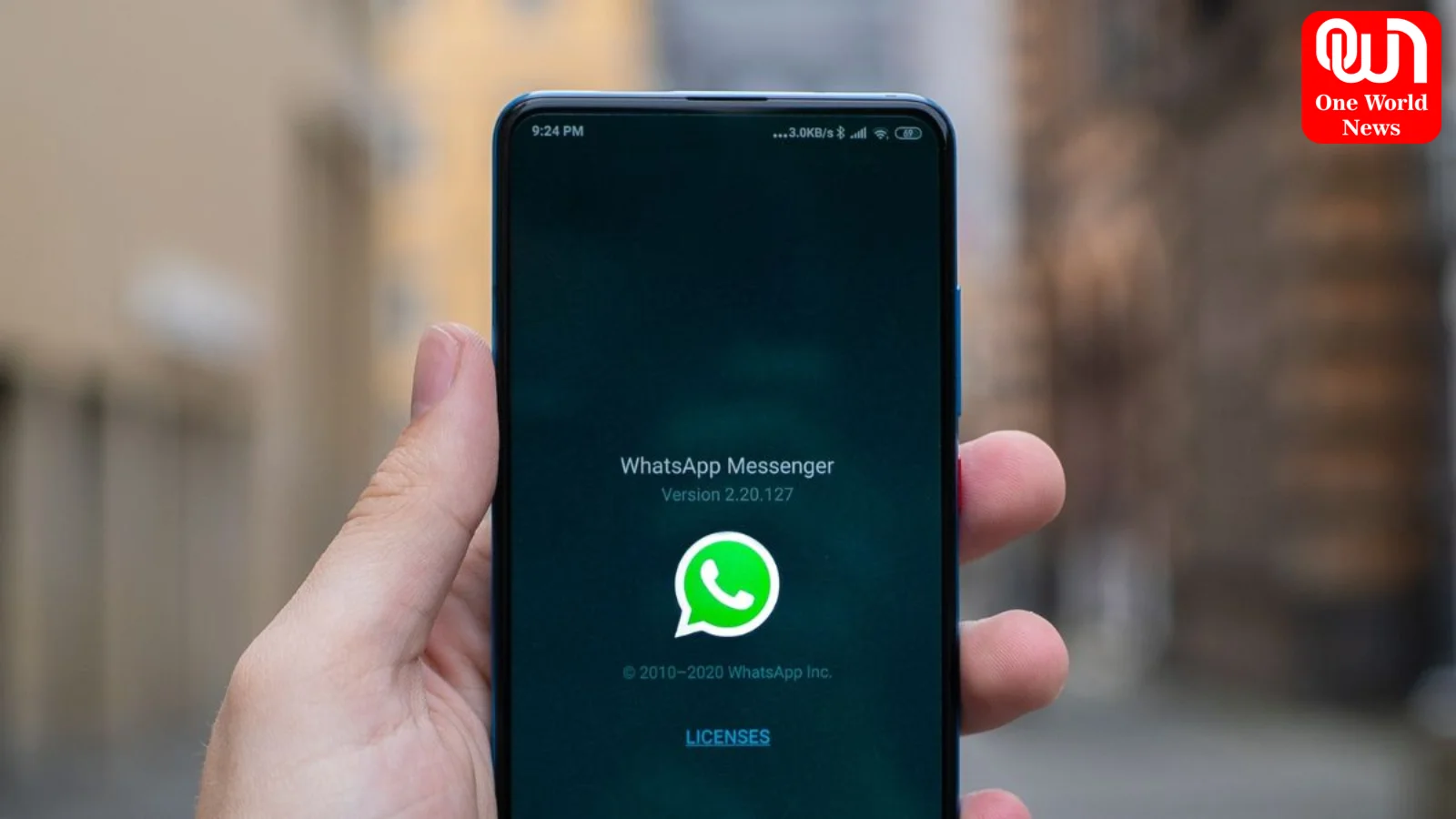
India’s messaging app users may need to change how they use WhatsApp, Telegram and other communication platforms from January 1, 2027. The Department of Telecommunications (DoT) has directed covered messaging services to implement SIM-binding requirements to strengthen digital security and prevent the misuse of Indian mobile numbers.
The compliance deadline has been extended to December 31, 2026. However, this does not automatically mean every account without a registered SIM will be blocked on January 1. The actual impact will depend on how platforms implement the requirements.
What Is SIM Binding India?
SIM binding India refers to linking a messaging account with the active SIM card associated with the mobile number used to register the account. Under the DoT directive, covered applications are expected to maintain this connection rather than allowing unrestricted access when the associated SIM is missing or inactive.
Previously, users could often continue using messaging applications even after removing their registered SIM card from a phone. For example, someone could register WhatsApp on one device, move the SIM to another handset and continue chatting on the original phone through Wi-Fi.
The new requirement aims to address this security gap by ensuring that the relevant active SIM remains present in the device running the application, subject to the platform’s implementation.
WhatsApp Telegram Rules: Which Apps Are Affected?
The WhatsApp Telegram rules form part of a broader government initiative covering several app-based communication services that use Indian mobile numbers.
The platforms named in the DoT directions include:
- Telegram
- Signal
- Snapchat
- Arattai
- ShareChat
- Josh
- JioChat
These services are expected to comply with the applicable SIM-binding requirements. Users should watch for official announcements from individual platforms to understand how the changes will affect existing accounts and linked devices.
DoT Cybercrime Directive: Why Has the Government Introduced It?
The DoT cybercrime directive is intended to reduce the misuse of Indian mobile numbers in online fraud and other criminal activities.
According to the government, fraudsters have exploited messaging accounts that remain accessible even after their associated SIM cards are removed, deactivated or relocated. Such access can make it easier to conduct scams while making the misuse of telecom identifiers harder to trace.
The measures are intended to improve accountability and strengthen messaging app security against activities such as phishing, impersonation, fraudulent investment schemes and scams involving callers pretending to be government officials.
However, SIM binding is not a complete solution to cybercrime. Users must continue to verify suspicious messages, avoid sharing one-time passwords (OTPs) and never transfer money simply because a message appears to come from a trusted contact.
Will WhatsApp Stop Working Without an Active SIM?
The new rules could affect people who use WhatsApp on a phone that does not contain the SIM card linked to their account. Users who rely on Wi-Fi-only devices, secondary smartphones or separate work phones may need to review their current arrangements.
For example, if your WhatsApp account is registered with your personal number but the corresponding SIM is kept in another phone, you could experience access restrictions depending on how the app implements SIM binding.
However, it is important to understand that the government has set a deadline for platforms to comply, not announced a universal shutdown of every account that lacks a registered SIM. Users should wait for clear instructions from WhatsApp and Telegram before making significant changes to their devices.
Read more: Gold and Silver Price Today: Gold Falls by ₹600, Silver Drops ₹2,480 | One World News
WhatsApp Web Logout: What Desktop Users Should Know
The SIM-binding initiative also affects how messaging services manage linked devices and web sessions.
Initially, the government proposed that web versions of covered applications should log users out at least once every six hours. However, subsequent clarification indicated that web-session logout requirements would follow a risk-based approach rather than a fixed six-hour interval.
Therefore, the earlier proposal should not be treated as a confirmed rule requiring every WhatsApp Web user to log in again every six hours.
Users may still need to re-link devices or complete verification when required by the platform. Anyone using WhatsApp Web for office communication should keep their primary account accessible and follow any official security notifications.
Telecom Department Rules: What Should Users Do Before 2027?
The upcoming telecom department rules do not require users to panic or immediately change their messaging habits. Taking a few simple precautions can help minimise potential disruption.
- Keep your registered SIM active: Avoid allowing the mobile number linked to your messaging account to become inactive.
- Check your account details: Confirm which phone number is associated with WhatsApp and Telegram.
- Review linked devices: Check the devices connected to your accounts and remove any that you no longer recognise.
- Follow official app updates: Look for verification instructions and compatibility announcements from the messaging platforms.
- Protect your account: Never share OTPs or verification codes with strangers, even if they claim to represent a messaging service.
Users who regularly change phones or travel internationally should pay particular attention to future platform instructions.
How SIM Binding Could Affect Cyber Fraud India
The growing problem of cyber fraud India faces has increased the importance of verifying digital identities and securing mobile communication services.
Fraudsters may use Indian mobile numbers to impersonate legitimate organisations, contact potential victims and distribute deceptive messages. By maintaining a connection between an account and its registered active SIM, authorities aim to make certain forms of misuse more difficult.
Nevertheless, users should remember that criminals can still attempt scams through compromised accounts, fake websites and social engineering. Strong passwords where supported, two-step verification and careful handling of suspicious messages remain important security measures.
Frequently Asked Questions
1. When will the new SIM-binding requirements take effect?
The compliance deadline for covered messaging platforms is December 31, 2026, with the changes expected to apply from January 1, 2027, subject to implementation.
2. Which apps are covered by the new rules?
The named platforms include WhatsApp, Telegram, Signal, Snapchat, Arattai, ShareChat, Josh and JioChat.
3. Will WhatsApp stop working if my SIM is in another phone?
Access could be affected, depending on the app’s implementation. Users should follow official platform guidance rather than assume their accounts will automatically be blocked.
4. Will WhatsApp Web log out every six hours?
A fixed six-hour logout interval is not the current blanket requirement described in the government’s subsequent clarification. Web sessions are subject to a risk-based approach.
5. Why is the government introducing SIM binding?
The objective is to reduce telecom identifier misuse, improve traceability and help prevent online scams and impersonation.
Read more: Face-Offs With China in Arunachal Pradesh Still Ongoing: ITBP Chief Praises Shaurya Commandos
Conclusion
The upcoming SIM-binding requirements represent a significant development in India’s messaging app security framework. From January 1, 2027, users may need to pay closer attention to their registered SIM cards, linked devices and account verification procedures.
While the WhatsApp Telegram rules aim to strengthen protection against digital fraud, their practical impact will depend on how individual platforms implement the requirements. Keeping your SIM active, monitoring official announcements and practising safe online habits are sensible steps to prepare for the changes.
We’re now on WhatsApp. Click to join.
Like this post?
Register at One World News to never miss out on videos, celeb interviews, and best reads.