What Is Digital Arrest Scam? Warning Signs and Prevention
What Is a Digital Arrest Scam? Learn the Warning Signs, Common Fraud Tactics, and Essential Prevention Tips to Protect Yourself Online

What Is Digital Arrest Scam? Warning Signs and Prevention Guide
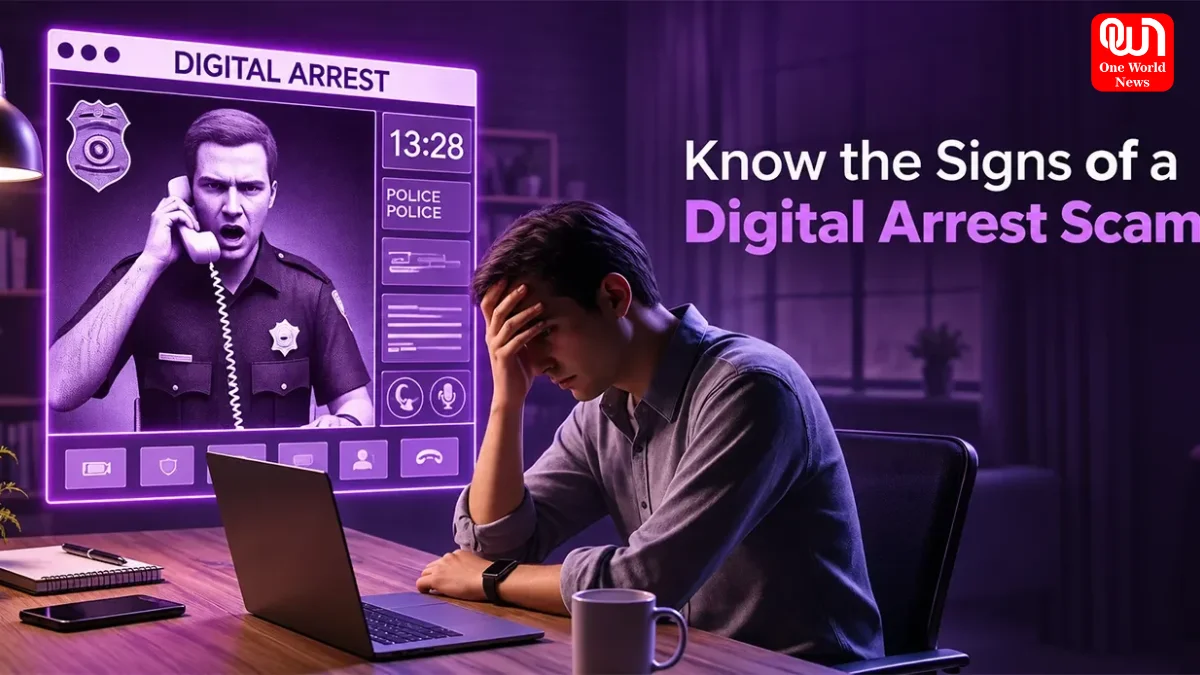
Online fraud is becoming increasingly sophisticated, and cybercriminals are finding new ways to deceive innocent people. One such threat is the digital arrest scam, in which fraudsters impersonate police officers or government officials to frighten victims into transferring money. They may claim that a person is involved in a criminal investigation, illegal financial transactions, or suspicious parcel deliveries.
These criminals often use fake documents, video calls, and threats of immediate arrest to make their stories appear genuine. Understanding how a digital arrest scam works, recognizing its warning signs, and following basic safety measures can help individuals protect themselves from financial loss and emotional distress.
What Is a Digital Arrest Scam?
A digital arrest scam is an online fraud in which criminals pretend to be law enforcement officers or representatives of government agencies. They falsely accuse victims of participating in illegal activities and threaten them with arrest, account freezing, or other legal consequences unless they follow their instructions.
Scammers may impersonate officials from the police, the Central Bureau of Investigation (CBI), the Narcotics Control Bureau, or other government agencies. They sometimes use forged identity cards, fake legal notices, and video backgrounds resembling police stations to gain the victim’s trust.
In India, there is no legal procedure called a digital arrest. Genuine authorities do not digitally detain people through private video calls and demand money to settle fabricated criminal cases.
How Does a Digital Arrest Scam Work?
The fraud usually begins with a phone call, text message, or automated voice recording. The caller may claim that a parcel containing illegal substances has been linked to the victim or that their identity documents have been misused.
The scammer then transfers the conversation to a video call and presents fake evidence to create fear. Victims may be instructed to remain on the call continuously and avoid speaking with family members, friends, or lawyers.
Next, the criminals demand money under the pretext of a security deposit, account verification, or confidential investigation. They may insist that the money will be returned after verification. Once the victim transfers the funds, recovering the money can become difficult.
Common Warning Signs of a Digital Arrest Scam
Recognizing suspicious behaviour early can prevent serious financial damage. Watch for these warning signs:
1. Threats of Immediate Arrest
Scammers often claim that the victim will be arrested immediately unless they cooperate. They use aggressive language to prevent the person from thinking clearly or verifying the allegations.
2. Demands for Money
Requests to transfer money for a security check, investigation, or settlement are major red flags. Never send money simply because someone claims to represent a government department.
3. Pressure to Stay on Video Calls
Fraudsters may force victims to remain connected through WhatsApp, Skype, or another video platform for hours. This tactic helps them maintain control and prevent victims from seeking independent advice.
4. Fake Identity Cards and Legal Documents
Scammers may display forged police identification cards, arrest warrants, or official-looking notices. Such documents can be fabricated, so their appearance does not establish authenticity.
5. Instructions to Maintain Secrecy
If a caller tells you not to contact family members, lawyers, banks, or local police, treat the demand as suspicious. Fraudsters often isolate victims to make their threats more effective.
6. Requests for Sensitive Information
Never disclose your OTP, banking PIN, passwords, card details, or other confidential information to an unverified caller. Criminals may use these details for further financial fraud.
How to Prevent a Digital Arrest Scam
Prevention begins with staying calm and verifying unexpected claims independently. Follow these essential safety measures.
Verify the Caller’s Identity
Disconnect the call and contact the relevant department through independently verified contact details. Do not rely on phone numbers or links supplied by the suspicious caller.
Never Transfer Money Under Pressure
Do not transfer money to personal bank accounts or digital payment addresses because someone threatens legal action. Genuine legal procedures should be verified through appropriate official channels.
Read more: What Are Dopamine Sites? The New Digital Trend for the Thrill of Shopping Without Spending
Protect Your Personal Information
Avoid sharing identity documents, banking credentials, OTPs, and private information with unknown callers. Review your online privacy settings and remain cautious when receiving unexpected requests.
Inform Family Members
Discuss digital arrest scams with family members, especially older adults who may be unfamiliar with these tactics. Encourage everyone to verify alarming calls before taking action.
Report Suspicious Calls
Save relevant call details, messages, transaction records, and screenshots when it is safe to do so. Report suspicious activity to the appropriate cybercrime authorities.
What Should You Do If You Become a Victim?
If you suspect that you have been targeted, end the call immediately and do not send additional money. Contact your bank or payment service provider promptly if you have shared financial information or made a transaction.
In India, call the cybercrime helpline 1930 as soon as possible if money has been lost to online fraud. You can also submit a complaint through the National Cyber Crime Reporting Portal at cybercrime.gov.in. Preserve evidence and follow instructions from the relevant authorities.
Acting quickly can improve the chances of limiting further financial damage, although recovery is not guaranteed.
Conclusion
A digital arrest scam relies on fear, impersonation, and urgency to manipulate victims into surrendering their money or personal information. Knowing the warning signs, verifying official claims independently, refusing suspicious payment demands, and reporting incidents promptly are essential steps toward online safety.
Remember that no one can legally place you under digital arrest through a private video call. Stay calm, question unexpected threats, and seek help from trusted people and official authorities before taking action.
We’re now on WhatsApp. Click to join.
Like this post?
Register at One World News to never miss out on videos, celeb interviews, and best reads.