
Kumudini Fruit Benefits: Why Gonda Villagers Traditionally Eat Its Seeds
Explore Kumudini fruit benefits, Ayurvedic fruits, Ayurvedic remedies, health benefits and traditional remedies linked to its seeds in Gonda.

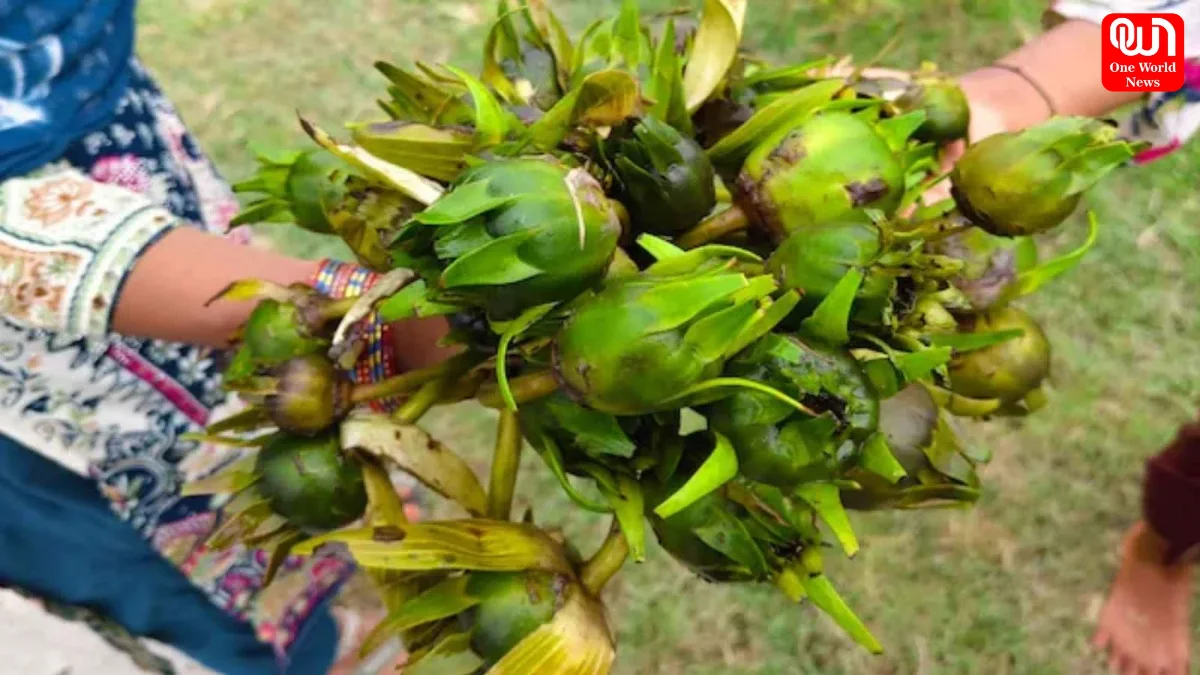
Kumudini Fruit Benefits: Why Gonda Villagers Traditionally Eat Its Seeds | Ayurvedic Fruits, Ayurvedic Remedies, Health Benefits & Traditional Remedies
Kumudini is one of the lesser-known aquatic plants associated with traditional food practices in parts of rural Uttar Pradesh. In Gonda, villagers have traditionally used the fruit and its small seeds as part of their local diet. A recent report from the region describes the fruit as a green, round aquatic fruit whose seeds may be eaten and dried for preparing halwa.
Although Kumudini is not a common fruit in urban markets, its connection with ponds, local food traditions and household preparations makes it an interesting example of how Ayurvedic fruits and naturally available plants have remained part of rural food culture. Its seeds are particularly associated with traditional preparations and are sometimes valued for their perceived nutritional and wellness properties.
What Is Kumudini Fruit?
Kumudini is associated with aquatic plants that grow in ponds and shallow water. Botanical references identify Kumudini among aquatic plants found around ponds and streams, although the name can refer to different plants depending on the region and traditional naming system.
In Gonda’s local tradition, the fruit is described as green and round, containing numerous small seeds. Villagers have reportedly consumed the seeds in different ways, including eating them directly and drying them for traditional preparations such as halwa.
Why Do Gonda Villagers Traditionally Eat Kumudini Seeds?
The use of Kumudini seeds is connected more with traditional knowledge than modern clinical evidence. Rural communities have historically depended on locally available plants and foods, passing preparation methods from one generation to another.
According to the recent Gonda report, local practitioners associate Kumudini fruit and seeds with traditional uses related to weakness, digestion and general nourishment. These claims reflect local knowledge and should not be confused with scientifically established treatments.
The seeds are also valued because they can be dried and incorporated into a familiar food preparation. This makes them more than an unusual pond plant—they become part of a regional culinary tradition.
Potential Nutritional Interest of Kumudini Seeds
One reason traditional communities may value plant seeds is their potential contribution to a varied diet. Seeds from edible plants can contain naturally occurring nutrients, although the exact nutritional composition of Kumudini seeds depends on the plant species, growing conditions and preparation method.
Rather than describing Kumudini seeds as a cure for a particular condition, it is more appropriate to view them as a traditional food ingredient that has been used locally. This distinction is important when discussing the health benefits associated with lesser-known plants.
Kumudini and Traditional Digestive Practices
Traditional food knowledge often connects particular ingredients with digestion and comfort after meals. In Gonda, local accounts similarly mention the seeds in connection with digestive wellness.
However, there is currently limited high-quality clinical evidence establishing specific digestive benefits from eating Kumudini seeds. People should therefore consider such claims as part of Traditional Remedies and cultural knowledge rather than established medical advice.
Ayurvedic Connection of Kumudini
Kumudini and related Kumuda plants have a documented presence in Ayurvedic literature. A digitized edition of Bhavaprakasha describes Kumudini and records traditional properties and uses associated with the plant.
Other Ayurvedic references identify Kumudini as an aquatic herb and list several plant parts, including seeds, among parts traditionally used.
This historical connection explains why Kumudini can be discussed alongside Ayurvedic remedies and Ayurvedic fruits, while still recognizing that traditional descriptions do not automatically establish modern medical effectiveness.
How Are Kumudini Seeds Traditionally Consumed?
In Gonda, one traditional method involves drying the seeds and using them to prepare halwa. Some local accounts also describe the seeds being eaten without elaborate processing.
Read more: Rise of HYROX in India: Why Women and Fitness Buffs Are Swapping Gym for Hybrid Runs
Preparation is important when consuming any wild or aquatic plant. Correct identification is essential because common regional names can refer to different species. The plant should only be consumed when its identity and edible part have been reliably established.
Are Kumudini Seeds Proven to Treat Diseases?
No. Traditional use should not be presented as proof that Kumudini seeds can prevent, cure or treat a disease. The available Gonda reporting itself notes that the health claims surrounding the fruit and seeds are based on traditional beliefs and recommends professional advice for people with medical conditions or those taking regular medicines.
Therefore, Kumudini may be appreciated as an interesting part of regional food culture and traditional plant knowledge, but it should not replace prescribed treatment.
The Cultural Value of Kumudini
The story of Kumudini in Gonda demonstrates how rural food traditions often preserve knowledge about plants that receive little attention in mainstream markets. From pond environments to household kitchens, the fruit and its seeds have remained connected with local culinary practices.
Its use in traditional halwa is particularly significant because it shows how communities transform locally available ingredients into familiar foods. For anyone exploring Ayurvedic fruits, Ayurvedic remedies, health benefits, and Traditional Remedies, Kumudini offers an interesting example of the relationship between local biodiversity, food and inherited knowledge.
Read more: World Peace Meditation Day 2026
Final Thoughts
Kumudini fruit and its seeds represent a lesser-known part of Gonda’s traditional food culture. Villagers have historically eaten the seeds and used dried seeds in preparations such as halwa, while traditional knowledge associates them with nourishment and digestive wellness.
At the same time, modern readers should distinguish cultural and Ayurvedic traditions from clinically proven health effects. With proper plant identification and appropriate professional guidance, Kumudini remains an intriguing example of how traditional Indian communities have incorporated locally available aquatic plants into their diets.
We’re now on WhatsApp. Click to join.
Like this post?
Register at One World News to never miss out on videos, celeb interviews, and best reads.