Jal Shakti Push: Modi’s Centre-State Coordination Drive
Narendra Modi’s Jal Shakti push strengthens Centre-State Coordination as Union Ministers and State Governments work together on Government Schemes

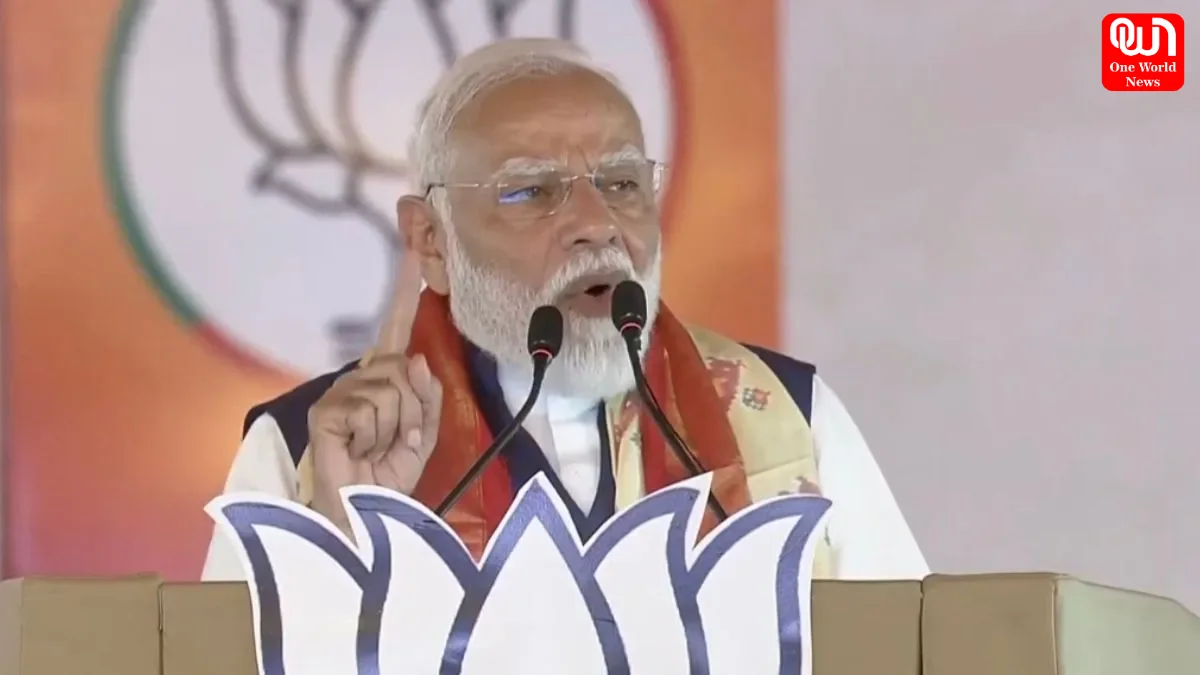
The Jal Shakti Push: Why PM Modi Wants Cabinet To Work More Closely With States
India’s water challenges are too large and too local to be solved by the Centre alone. From drinking water and groundwater recharge to irrigation, rainwater harvesting and water infrastructure, implementation depends heavily on coordination with states. This is why Narendra Modi’s latest Jal Shakti push places Centre-State Coordination at the heart of governance.
The approach was highlighted through the National Departmental Summit on Water held on September 1-2, 2026, the first in a planned series of departmental summits. Union Ministers, senior officials and State Governments can identify bottlenecks, share best practices and agree on time-bound action.
Why Centre-State Coordination Matters
A closer working relationship can help reduce delays, improve information sharing and make Government Schemes more responsive to regional needs. It can also allow successful state-level solutions to be adapted elsewhere instead of being developed repeatedly in isolation.
For Modi, this fits into the broader idea of Cooperative Federalism, where the Centre and states are partners in achieving national development goals.
Jal Shakti Becomes A Test Case For Team India
The Ministry of Jal Shakti summit focused on four major areas: timely implementation of water infrastructure projects, Jal Sanchay Jan Bhagidari and Catch the Rain, sustainability of drinking-water sources, and operation and maintenance of rural drinking-water systems under Jal Jeevan Mission 2.0.
These priorities show why water is a useful test case for closer federal cooperation. A pipeline, reservoir, groundwater project or village water system may involve national policy, state implementation, local administration and community participation. Weak coordination at any stage can affect the final outcome.
The summit therefore moves beyond broad policy discussions toward measurable action plans. That emphasis matters because citizens experience government through completed projects and reliable services, not meetings alone.
Read more: Rakesh Mehta Suicide: Former Delhi Chief Secretary Dies By Suicide At Noida Home, Note Found
What Narendra Modi Wants From Union Ministers
The larger objective is to create a continuous system of engagement between Union Ministers and State Governments. Instead of relying only on periodic reviews, the departmental summit model encourages regular assessment, follow-up and learning.
At the water summit, Modi stressed that actionable and time-bound decisions should be followed through a continuous review process. He also highlighted public participation, water-saving technologies, global best practices and stronger water-data governance, including artificial intelligence.
This suggests a shift from simply announcing Government Schemes toward tracking whether those schemes produce durable results.
States Bring Ground-Level Experience
State Governments bring something the Centre cannot easily replicate: direct knowledge of local conditions. Water availability, rainfall patterns, groundwater stress, agricultural demand and urbanisation vary nationwide.
Greater Centre-State Coordination can therefore help national programmes become more flexible and practical. States can flag implementation barriers, share innovations and explain where guidelines need adaptation. The Centre, in turn, can provide technical expertise, institutional support and a platform for sharing successful approaches.
This two-way process is central to Cooperative Federalism.
Read more: Satya Niketan Collapse: Owner’s Son Names Two PG Operators, One Arrested
A Broader Governance Strategy
The Jal Shakti initiative is part of a wider governance philosophy. NITI Aayog’s Governing Council provides a national platform where the Prime Minister, Chief Ministers and Union representatives discuss shared priorities. Its framework is explicitly linked to cooperative federalism and greater state participation in national development.
The new departmental summit format takes that principle into specific sectors. Instead of discussing every issue at a broad national level, ministers and officials can focus on one area, identify practical barriers and develop follow-up mechanisms.
Why This Matters For India’s Future
India’s development goals increasingly depend on effective coordination across levels of government. Water security, urbanisation, agriculture, climate resilience and infrastructure cannot be managed through isolated departmental decisions.
The Jal Shakti push signals that Narendra Modi wants governance to become more collaborative, implementation-focused and accountable. For Union Ministers, the message is to engage more closely with states. For State Governments, it creates a channel to bring local challenges into national decision-making.
Ultimately, success today will depend not on the number of summits held, but on what happens afterward. If meetings lead to faster projects, better water management, stronger public participation and measurable improvements in service delivery, the model could become an important example of Cooperative Federalism in action.
We’re now on WhatsApp. Click to join.
Like this post?
Register at One World News to never miss out on videos, celeb interviews, and best reads.