H1N1 Recovery: 8 Things To Do When You Are Down With Flu
Recovering from H1N1 flu? Follow these 8 simple tips for managing fever, supporting health and fitness, improving lifestyle habits, and recovery.

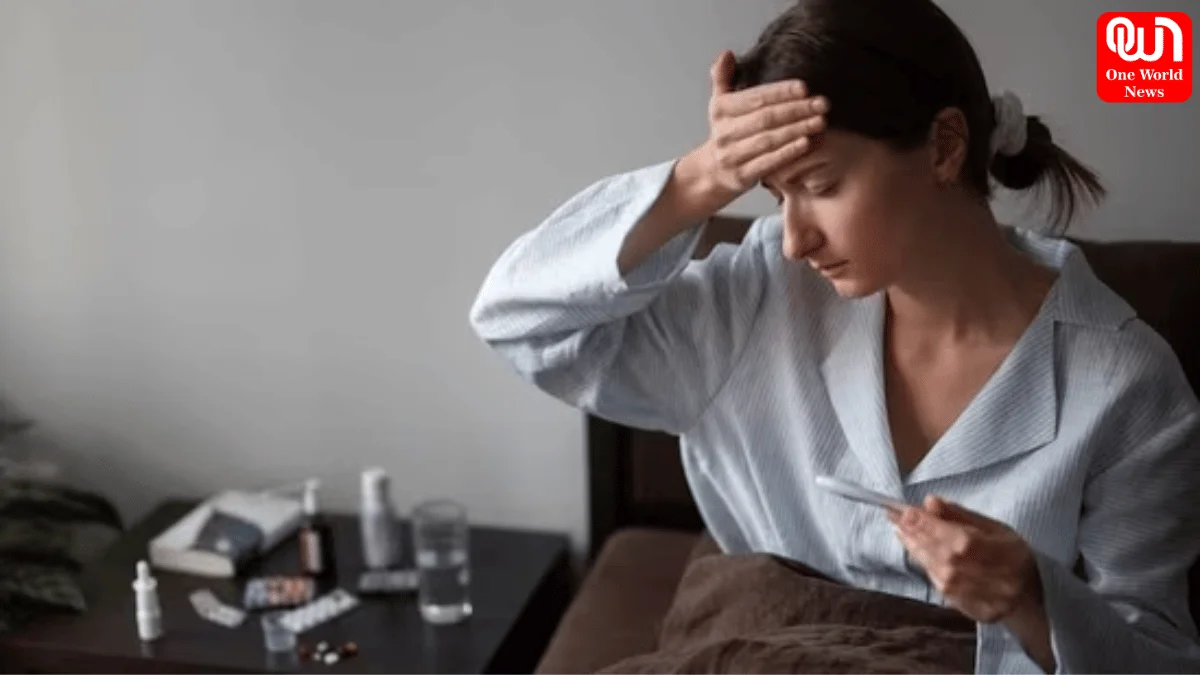
H1N1 Recovery: 8 Things To Do When You Are Down With Flu for Better Health, Fitness and Lifestyle
When you are down with H1N1 flu, everyday activities can suddenly feel exhausting. Fever, body aches, cough, tiredness, headache, and weakness can make even simple tasks difficult. During this time, your main priorities should be rest, hydration, nutritious food, and following medical advice. A healthy recovery is not about getting back to your normal routine quickly; it is about giving your body enough time to heal.
Here are eight practical things you can do during H1N1 recovery to support your health and gradually return to your usual lifestyle.
1. Get Plenty Of Rest
Rest is one of the most important parts of flu recovery. Your immune system needs energy to fight the infection, so avoid pushing yourself through work, exercise, or household activities when you feel weak.
Sleep whenever you feel tired and give yourself permission to slow down. Adequate rest can help your body recover while reducing unnecessary stress and fatigue.
2. Stay Hydrated
Fever and sweating can increase fluid loss, making hydration especially important. Drink water regularly throughout the day. You can also consider warm soups, broths, and other suitable fluids.
If you have a poor appetite, taking frequent small sips may be easier than drinking a large amount at once. Good hydration can also help prevent your body from becoming excessively depleted during illness.
3. Manage Fever As Advised
Fever is a common symptom of influenza. Check your temperature when needed and follow your healthcare professional’s advice regarding fever management and medicines.
Avoid taking medicines randomly or combining different products without checking whether they are appropriate for you. If your fever is persistent, very high, or accompanied by concerning symptoms, contact a healthcare professional promptly.
4. Eat Nutritious, Easy-To-Digest Foods
You may not feel hungry while recovering from the flu, but your body still needs nourishment. Choose simple foods that are comfortable to eat, such as soups, cooked vegetables, fruits, rice, porridge, or other balanced meals that you tolerate well.
Rather than worrying about strict diets, focus on getting enough fluids and nutritious foods. A balanced eating pattern can support your overall health and energy as your appetite returns.
5. Avoid Strenuous Exercise
Fitness is important, but H1N1 recovery is not the right time for intense workouts. Running, heavy weight training, or demanding cardio can place additional stress on your body while you are still recovering.
Once your fever and significant symptoms have resolved and you feel stronger, gradually return to normal physical activity. Start slowly and stop if you experience unusual fatigue, dizziness, breathing difficulty, or worsening symptoms.
6. Follow Your Doctor’s Treatment Plan
If a healthcare professional has diagnosed you with H1N1 or influenza and provided a treatment plan, follow those instructions carefully. Certain people may have a higher risk of complications and may require closer medical attention.
Do not stop prescribed treatment early simply because you begin to feel better. If your symptoms change or become worse, speak with your doctor rather than trying to manage serious symptoms yourself.
Read more: World Diabetes Day 2026: Understanding Diabetes, Prevention, and Healthy Living
7. Protect Others Around You
Flu can spread from person to person, particularly when someone is coughing or sneezing. During recovery, reduce close contact with others when you are infectious and follow local or medical guidance about returning to work, school, or public activities.
Cover coughs and sneezes, wash your hands regularly, and avoid sharing personal items. These simple lifestyle habits can help reduce the chances of spreading respiratory infections.
8. Return To Your Normal Lifestyle Gradually
Feeling better does not always mean your body has completely recovered. Weakness and tiredness can continue for some time after the main flu symptoms improve.
Give yourself time to rebuild your normal routine. Start with light daily activities, continue getting adequate sleep, eat balanced meals, and gradually increase physical activity as your energy returns. Paying attention to how your body feels can help you avoid doing too much too soon.
When Should You Seek Medical Help?
While many people recover from influenza with supportive care, some symptoms require prompt medical attention. Seek professional medical advice if symptoms become severe, worsen after initially improving, or if you experience difficulty breathing, chest pain, confusion, severe weakness, dehydration, or other concerning symptoms.
Read more: World Diabetes Day 2026: Understanding Diabetes, Prevention, and Healthy Living
People who are pregnant, very young, older adults, or those with certain underlying health conditions may have a greater risk of complications and should seek medical advice early when experiencing flu symptoms.
Final Thoughts
H1N1 recovery requires patience. Rest, hydration, nutritious food, sensible fever management, and gradual physical activity can help you take care of your body while you recover. Your health and fitness goals can wait until you are feeling well again. By making sensible lifestyle choices and following professional medical guidance, you can focus on recovery instead of rushing back into your routine.
We’re now on WhatsApp. Click to join.
Like this post?
Register at One World News to never miss out on videos, celeb interviews, and best reads.