
Why your credit score matters for better financial planning
A credit score is a three-digit number that sums up how you’ve handled borrowed money in the past. In India the best known is the CIBIL score, which runs from 300 to 900.

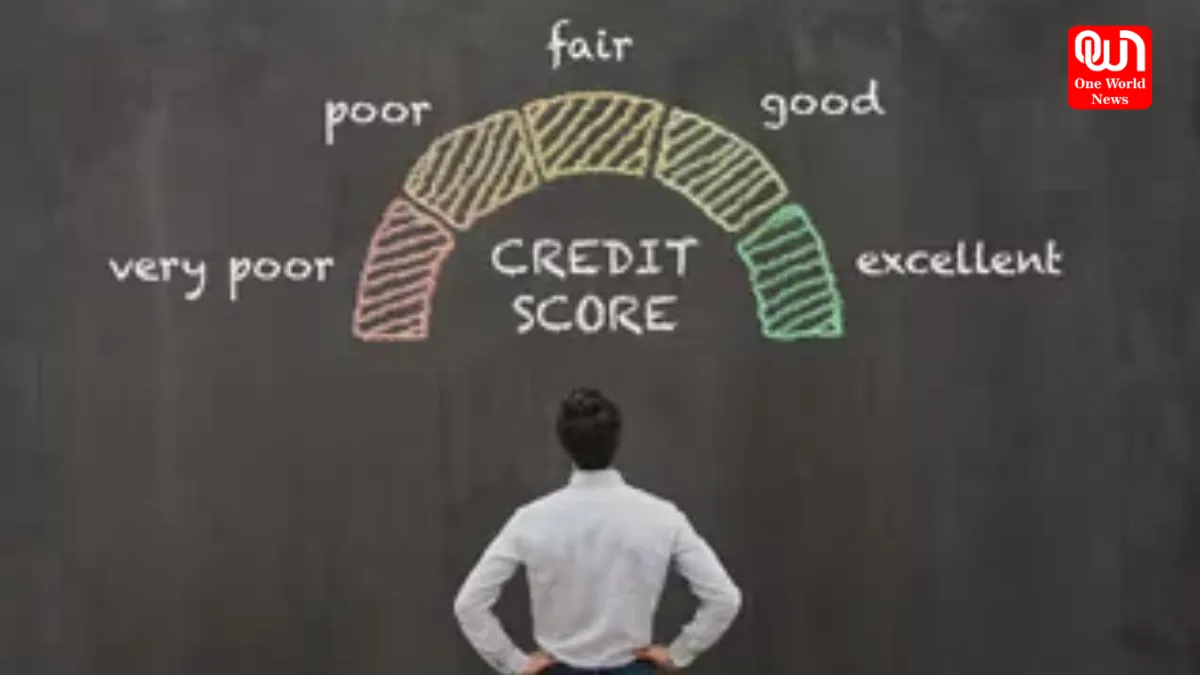
What is a credit score?
A credit score is a three-digit number that sums up how you’ve handled borrowed money in the past. In India the best known is the CIBIL score, which runs from 300 to 900. Other credit bureaus produce their own scores on similar scales.
Lenders use the number to judge risk. A higher score generally tells them you repay on time and manage credit well, and a lower one can point to trouble with repayments. Around 750 or above is commonly seen as good, though each lender sets its own cut-off.
Why is credit score important?
If you’re wondering why credit score is important, it’s because the number shows up in more financial decisions than most people realise.
Getting approved
Banks and financial institutions check your CIBIL score before approving most loans and credit cards. A low score can get you rejected or approved for less, even if your income is strong.
The interest rate you pay
Approval isn’t the end of it. Your score often shapes the rate you’re offered, and a higher score can get you a lower one. On long loans like a home loan or car loan, even a small difference in rate adds up to a lot over the years.
Faster processing
Borrowers with strong credit profiles tend to get quicker approvals and lighter paperwork, and sometimes pre-approved offers.
Room to negotiate
A clean history gives you more leverage on processing fees, repayment tenure and other loan terms.
Beyond loans
Your credit history may also be checked in some rental, insurance or job situations, particularly for roles in finance. It varies, but it shows how far your credit profile can follow you.
The importance of CIBIL score in financial planning
The importance of CIBIL score goes well beyond a single loan application. It belongs in your long-term planning.
Big goals like buying a house, paying for education or starting a business often involve borrowing at some point. If your score is healthy when that moment comes, you borrow for less and with less stress. If it isn’t, you may face higher interest, fewer options, or a delay while you work on fixing it.
So think of a good score as preparation. Building it ahead of time is far easier than repairing it when you need credit in a hurry.
What affects your score
Payment history counts the most. Paying EMIs and credit card bills on time helps, and late or missed payments pull your score down.
Credit utilisation comes next. Regularly using a big chunk of your available limit can look like financial stress, and many experts suggest staying below about 30%.
The length of your credit history matters too, since a longer record of responsible use generally works in your favour. Lenders also like a balanced mix of secured loans and unsecured credit. And applying for several loans or cards in a short span can knock your score down for a while.
Habits that keep your score healthy
None of this needs a complicated strategy. A few habits, kept up consistently, do the job.
Pay on time, every time. Auto-pay or reminders for your EMIs and card bills take most of the risk out of it.
Keep your card balances well below the limit rather than using most of it each month.
Look at your credit report regularly. A CIBIL score check free online by PAN number takes a few minutes, and while you’re at it, scan the report for errors such as accounts that aren’t yours, wrong dues, or closed loans still showing as active. If you find one, raise a dispute with the credit bureau.
Apply for credit only when you actually need it, because a burst of applications can hurt your score.
Think twice before closing old accounts. Older accounts in good standing add to the length of your history.
Be careful about standing guarantee. If you co-sign or guarantee someone’s loan and they default, it can show up on your record too.
And be patient. Scores improve over months of steady behaviour, not overnight.
Read More: How to Check Your CIBIL Score Online for Free in India (2026)
Common myths about credit scores
Myth 1: Checking your own score lowers it. When you check CIBIL score by PAN card for yourself, it’s generally treated as a soft inquiry and doesn’t reduce your score. Hard inquiries, which happen when a lender pulls your credit during an application, can have a small effect.
Myth 2: No loans means a great score. With no credit history at all, you may have no score. Using a small credit product responsibly can help you build one.
Myth 3: Earning more raises your score. Your score reflects how you manage credit, not how much you earn.
Final thoughts
Understanding why credit score matters is one of the simplest ways to plan your finances better. A healthy score makes credit easier to get and cheaper to borrow, and it lets you go after big goals with more confidence.
The habits behind it are simple: pay on time, use credit sensibly and look over your report now and then. A good first step is to check CIBIL score by PAN card today and see where you stand. A strong score tends to pay off right when you need it most.
We’re now on WhatsApp. Click to join.
Like this post?
Register at One World News to never miss out on videos, celeb interviews, and best reads.