UAE Suspends All Trade, Financial Dealings With Iran After Accusing It Of Missile Threat
UAE Iran Trade Suspension impacts UAE-Iran trade and financial dealings as sanctions, missile threats, Middle East tensions and diplomacy rise.

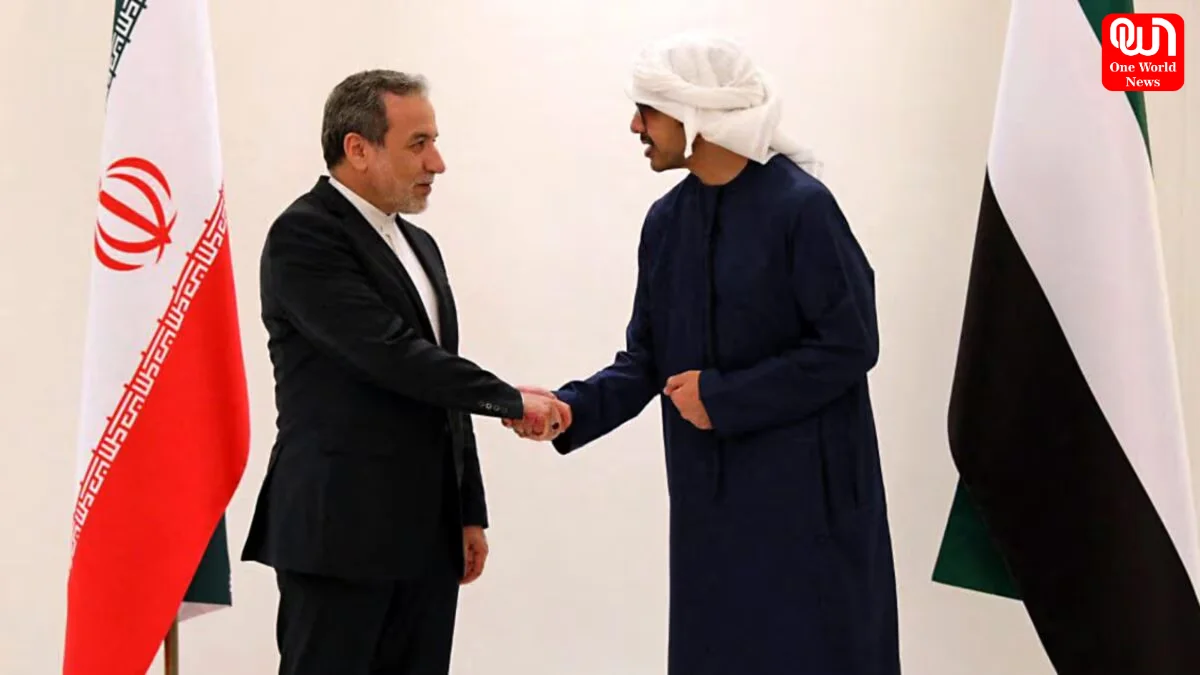
UAE Iran Trade Suspension: UAE Suspends Trade, Financial Dealings With Iran Amid Missile Threat Accusations, Sanctions Concerns, and Rising Middle East Diplomacy Tensions
The UAE Iran Trade Suspension marks a significant development in relations between the United Arab Emirates and Iran, with trade, financial dealings, and diplomatic relations facing increased pressure. The decision comes after the UAE accused Iran of posing a missile threat, adding another layer of uncertainty to an already sensitive Middle East geopolitical environment.
The UAE and Iran have maintained important commercial connections despite years of political and regional tensions. Businesses in both countries have relied on cross-border trade, logistics, banking services, and investment relationships. Any major restrictions could therefore have consequences beyond the two countries, particularly for companies involved in international commerce.
Why Has The UAE Suspended Trade With Iran?
The reported move is linked to security concerns surrounding Iran’s missile capabilities and perceived threats. Missile developments in the region have long been a major concern for Gulf countries, especially when tensions increase between Iran and other regional powers.
For the UAE, national security remains closely connected with regional stability. Accusations involving missile threats can lead governments to reassess existing commercial and financial relationships. Restrictions on Iran could therefore be viewed not only as an economic measure but also as part of a wider security response.
The situation highlights how quickly political and military developments can affect international business relationships.
Impact On UAE-Iran Trade
The UAE Iran Trade Suspension could have an impact on multiple sectors that have traditionally benefited from commercial links between the two countries. These include shipping, logistics, commodities, import-export businesses, financial services, and other cross-border commercial activities.
The UAE has historically served as an important regional trading and logistics hub. Companies operating through the UAE have frequently used its infrastructure to access markets across the Middle East and beyond. Increased restrictions involving Iran could create additional compliance requirements, transaction delays, and uncertainty for businesses.
Companies with direct or indirect exposure to Iranian markets may also need to review their contracts, payment arrangements, shipping routes, and regulatory obligations.
Financial Dealings Face Greater Pressure
One of the most important aspects of the situation is the potential effect on financial dealings. Restrictions involving banking and financial transactions can make international trade significantly more complicated.
Financial institutions may increase scrutiny of transactions involving Iranian entities, particularly where Sanctions or other international restrictions could apply. Businesses may face additional due-diligence requirements and could need to verify whether particular transactions, customers, or products are permitted under applicable regulations.
For international companies, compliance is particularly important because sanctions regimes can involve multiple jurisdictions. Businesses should therefore seek qualified legal and financial advice before conducting transactions involving restricted markets.
What Does This Mean For Middle East Diplomacy?
The development could also influence broader Middle East diplomacy. Relations between Gulf states and Iran have experienced periods of both confrontation and diplomatic engagement. Economic connections have sometimes provided channels for communication even when political disagreements remained.
A suspension of trade and financial dealings could reduce some of those economic connections and potentially make diplomatic engagement more challenging. At the same time, governments in the region may continue to pursue diplomatic channels to prevent further escalation.
The balance between national security, economic interests, and regional diplomacy will remain a major issue for policymakers.
UAE And Iran: Economic Relations Under Strain
The UAE and Iran have historically maintained substantial commercial interaction despite differences over regional security and foreign policy. Dubai, in particular, has played an important role in regional commerce and has maintained business links with Iranian markets.
The latest developments could encourage companies to diversify suppliers, customers, shipping routes, and financial partners. Businesses that depend heavily on a single market may increasingly look toward alternative destinations to reduce geopolitical risks.
This could eventually influence regional trade patterns and create new opportunities for other Middle Eastern and international markets.
read more: From Israeli PM to US Official: How Fake News Became an Iran War Justification
Possible Impact On Businesses And Investors
The effects of the UAE Iran Trade Suspension will depend on how broad and long-lasting the restrictions become. Businesses could experience changes in payment processing, customs procedures, shipping arrangements, insurance costs, and regulatory compliance.
Investors may also pay closer attention to companies with significant exposure to Iran or other markets affected by geopolitical tensions. Increased uncertainty can influence investment decisions, particularly in sectors such as energy, logistics, banking, transportation, and commodities.
Companies should closely monitor official announcements and applicable regulations rather than relying solely on early reports or market speculation.
What Could Happen Next?
The future direction of UAE-Iran relations will depend heavily on security developments, diplomatic negotiations, and the implementation of any restrictions. If tensions continue to rise, additional economic or financial measures could potentially follow.
However, diplomatic engagement could also create opportunities for de-escalation and eventually support the restoration of commercial ties. The situation remains closely connected to wider regional developments involving Gulf security, Iran, international sanctions, and Middle East diplomacy.
reas more: Colombia Earthquake: 132 Dead, 570 Injured in Chocó and Coffee Axis
Conclusion
The UAE Iran Trade Suspension represents a potentially important shift in the economic relationship between the UAE and Iran. Concerns over missile threats have placed security considerations at the center of the relationship, while restrictions on Trade and Financial dealings could affect businesses and regional markets.
As governments assess security risks and diplomatic options, companies will need to pay close attention to changing regulations, sanctions requirements, and cross-border trade conditions. The coming developments could play an important role in shaping economic relations and Diplomacy across the wider Middle East.
We’re now on WhatsApp. Click to join.
Like this post?
Register at One World News to never miss out on videos, celeb interviews, and best reads.