From Israeli PM to US Official: How Fake News Became an Iran War Justification
US-Iran War Misinformation, Iran nuclear program, social media, fake news, political narrative, Israel, US, propaganda shaped the war debate.

From Israeli PM to US Official: How US-Iran War Misinformation, Fake News and Political Narrative Around Iran’s Nuclear Program Shaped the Debate Over Israel and the US War
The information battle surrounding the Iran war became almost as intense as the military conflict itself. Claims about Iran’s nuclear program, alleged threats, military capabilities and the intentions of its leaders spread rapidly through traditional media and social media. Some claims were later challenged, while others were presented without enough independent evidence.
This created a difficult environment for the public. When governments, politicians, anonymous officials and viral social media accounts repeat similar claims, it can become difficult to separate verified intelligence from political messaging. The debate over the US-Iran conflict shows how US-Iran War Misinformation can influence public opinion and help create a powerful political narrative around military action.
The Iran Nuclear Program Became a Central Argument
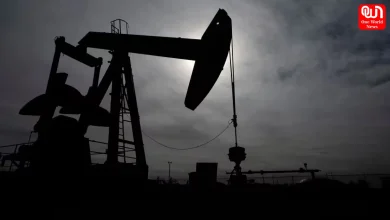
One of the biggest issues was Iran’s nuclear program. Israeli leaders had repeatedly warned that Iran was moving closer to developing a nuclear weapon. The argument was used to present the threat as urgent and potentially dangerous to Israel and the wider region.
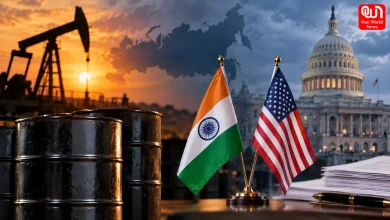
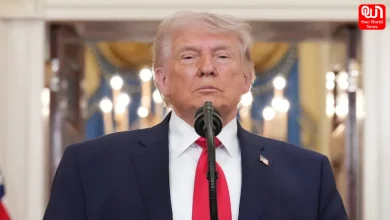
However, the intelligence picture was more complicated. Reporting during the conflict showed disagreements between political statements and intelligence assessments about how close Iran actually was to producing a nuclear weapon. Roll Call reported that the Trump administration offered several different explanations for the war, including Iran’s missile capabilities and concerns about its nuclear ambitions.
This distinction matters because saying a country has a nuclear program is not the same as proving that it has an active nuclear weapons program. Iran has maintained that its nuclear activities are peaceful, while international scrutiny has focused on its enrichment activities and compliance with safeguards.
From Israeli Warnings to US Political Messaging
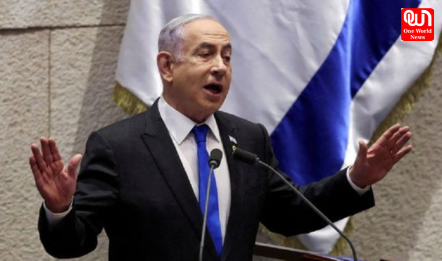
Israeli Prime Minister Benjamin Netanyahu played an important role in presenting Iran as an urgent security threat. His warnings became part of a wider discussion in Washington about whether military action was necessary.
Later reporting described disagreements inside the US administration over why the conflict began and what the main justification should be. Roll Call noted that different administration officials provided different explanations, creating questions about the consistency of the government’s public case for war.
This does not automatically prove that every statement was deliberately fake. It does, however, show why wartime claims need independent verification. A government statement can be politically motivated even when it contains some genuine information.
How Social Media Made the Problem Bigger
The role of social media made the information crisis even more complicated. During the Iran war, thousands of videos and images circulated online claiming to show missile attacks, destroyed cities and military operations.
Fact-checkers found that some material was old footage, while other content was manipulated or created using artificial intelligence. Deutsche Welle reported that videos connected to the conflict were frequently fake, AI-generated or taken out of context.
NewsGuard also identified 128 false claims connected to the 2026 Iran war, with the narratives receiving hundreds of millions of views. It found that false material increasingly relied on AI-generated imagery and manipulated information.
The result was a confusing information environment where emotional images could travel faster than verified reporting.
Fake News Can Strengthen a Political Narrative
The danger of fake news is not only that people believe one false story. The bigger problem is that repeated claims can gradually strengthen an existing political narrative.
For example, if audiences repeatedly see claims that Iran is days away from producing a nuclear weapon, they may begin to view military action as unavoidable—even when the underlying evidence is uncertain or disputed.
The same problem appeared in reverse. False claims about Israeli Prime Minister Benjamin Netanyahu being killed also spread widely during the conflict. Fact-checkers found that the rumours relied on fake images, manipulated material and misleading interpretations of genuine videos.
This demonstrates that misinformation was not limited to one side. Different actors used information to influence how audiences understood the conflict.
Why Anonymous US Officials Matter
Another important issue is the use of anonymous officials. Governments and news organizations often rely on unnamed sources because sensitive intelligence cannot always be publicly identified.
But anonymous claims can also become difficult for readers to independently verify. When an unnamed official says that Iran poses an immediate threat, the public may have no way to examine the original intelligence.
That is why responsible reporting needs context: What is the evidence? Is it independently confirmed? Do other intelligence agencies agree? Has the claim changed over time?
Without these questions, a statement can move from an anonymous briefing to a headline, then to television discussions and finally to millions of social media posts.
Propaganda and the Battle for Public Opinion
Propaganda is not limited to governments. Political groups, activists, influencers, anonymous accounts and even ordinary users can unintentionally amplify misleading information.
During the Iran conflict, both pro-Iran and pro-Israel narratives competed online. AP reported that AI-generated and manipulated visual material became a major part of the information battle.
This means modern warfare now has two battlefields: the physical battlefield and the information battlefield.
A missile can destroy a building in seconds, but a false video can influence millions of people within minutes.
Read more: Colombia Earthquake: 132 Dead, 570 Injured in Chocó and Coffee Axis
What the Iran War Teaches Us About Fake News
The biggest lesson is that dramatic claims should not automatically be treated as facts—especially during a war.
Readers should check:
- Who originally made the claim?
- Is the source named or anonymous?
- Is there independent evidence?
- Are reputable fact-checkers reporting the same information?
- Is the image or video actually from the claimed event?
- Has the claim changed over time?
- Is the information being used to support a particular political argument?
The Iran war shows why these questions are important. The combination of government statements, Israel, the US, anonymous officials, traditional media and social media created an information environment where facts and political messaging could easily become mixed.
Conclusion
The story of the Iran war is not simply about whether one piece of information was fake or true. It is about how information can shape the public understanding of a conflict.
Read more: Ceuta Migrant Crisis: Why Ceuta, Spain, and Morocco Are at the Center of Europe’s Border Debate
Claims surrounding the Iran nuclear program became central to the debate, while statements from Israeli and US officials helped establish competing explanations for military action. At the same time, social media accelerated the spread of manipulated videos, AI-generated images and unverified claims.
That is why US-Iran War Misinformation deserves serious attention. Before accepting any dramatic wartime claim, readers should look beyond headlines, examine the evidence and compare multiple independent sources. In a conflict where political narrative, fake news and propaganda can spread rapidly, verification is one of the most important tools available to the public.
We’re now on WhatsApp. Click to join.
Like this post?
Register at One World News to never miss out on videos, celeb interviews, and best reads.