
The Educational Importance of Framed Wall Pictures in Art, Design, and Visual Culture
Explore the educational importance of framed wall pictures, their role in art, interior design, visual culture, and creating meaningful, inspiring spaces.

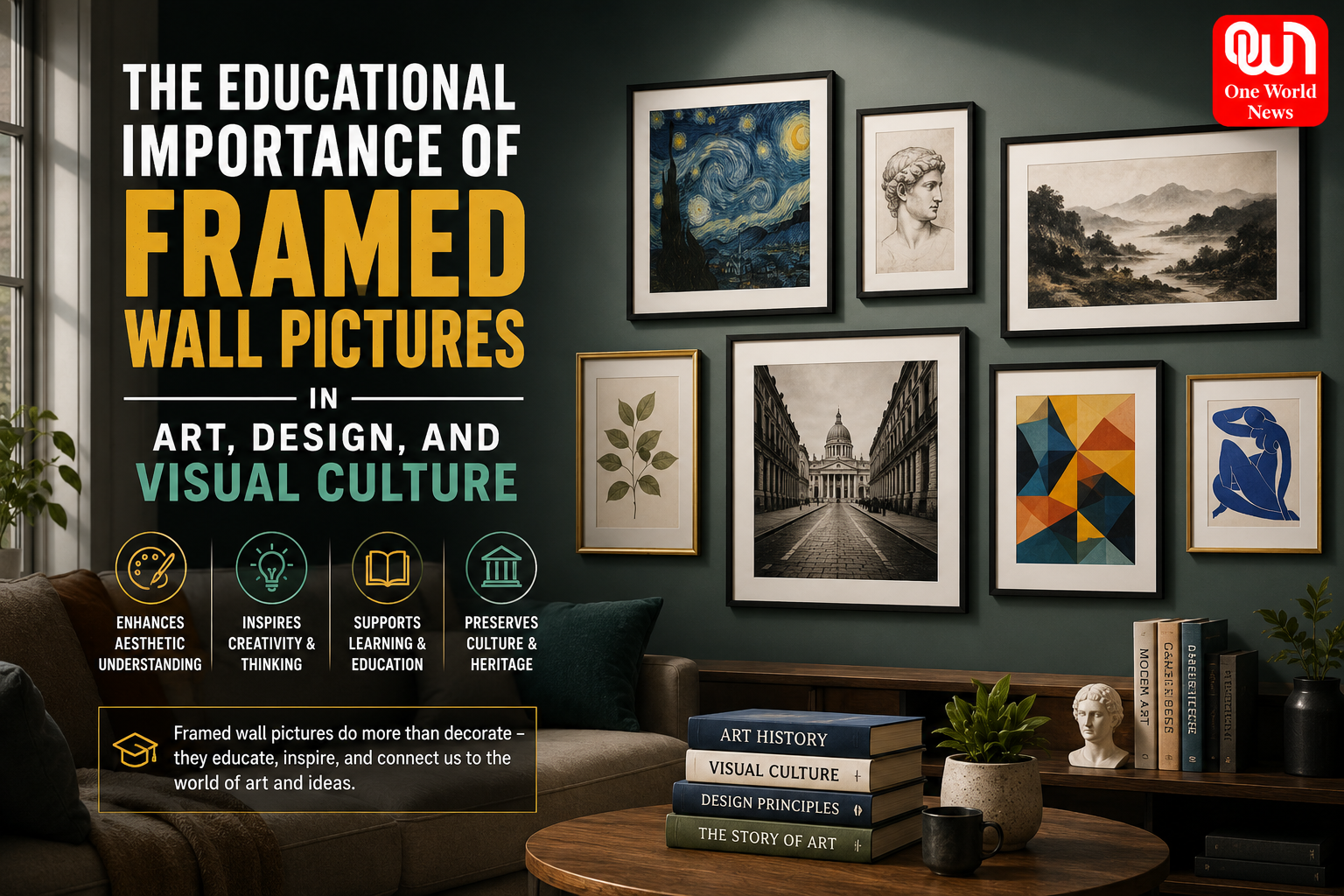
Visual art has played a significant role in human civilization for thousands of years.
From ancient cave paintings to contemporary digital artwork, images have been used to communicate ideas, preserve history, express creativity, and reflect cultural values. Among the many ways artwork is displayed, framed wall pictures have become an important subject of study because they combine artistic expression, design principles, material science, history, and visual communication.
From an educational perspective, studying framed wall pictures focuses on understanding how artwork is presented, preserved, and interpreted rather than selecting decorative items or interior products. The topic introduces learners to artistic composition, framing techniques, color theory, cultural heritage, museum practices, photography, and environmental aesthetics. These educational concepts help explain how presentation influences the way people experience and appreciate visual art.
Learning about framed wall pictures also develops creativity, critical thinking, visual literacy, and an appreciation for the relationship between art and society.
Understanding Framed Wall Pictures
Framed wall pictures are visual artworks or photographs displayed within protective frames that support presentation, preservation, and visual appreciation.
Educational discussions commonly include:
- Artistic presentation
- Visual communication
- Framing materials
- Design aesthetics
- Image preservation
- Cultural expression
These concepts help learners understand how presentation contributes to the overall viewing experience.
The Historical Development of Framed Art
The practice of displaying artwork has evolved throughout history.
Ancient civilizations displayed murals and handcrafted images as part of religious, cultural, and social life. Over time, wooden, metal, and decorative frames became common methods for protecting artwork while enhancing its appearance. Today, modern framing combines traditional craftsmanship with advanced materials and digital printing technologies.
Studying this evolution helps learners appreciate how artistic presentation has changed across different historical periods.
Principles of Visual Design
Successful artwork depends upon effective design principles.
Educational discussions commonly include:
- Balance
- Contrast
- Harmony
- Proportion
- Alignment
- Composition
These principles explain why certain visual arrangements create aesthetically pleasing and meaningful experiences.
Color Theory
Color plays a central role in artistic communication.
Educational concepts commonly include:
- Primary colors
- Secondary colors
- Color harmony
- Warm and cool tones
- Visual contrast
- Color relationships
Studying color theory helps learners understand how color influences perception, emotion, and artistic expression.
Photography and Image Reproduction
Many framed wall pictures originate from photography or digital artwork.
Educational discussions commonly explore:
- Image resolution
- Digital photography
- Image quality
- Composition
- Lighting
- Visual storytelling
These concepts demonstrate how modern technology contributes to artistic presentation.
Material Science in Art Presentation
Frames and display materials influence both preservation and appearance.
Educational discussions commonly include:
- Wood materials
- Metal frames
- Protective glass
- Acrylic coverings
- Mounting techniques
- Conservation materials
Understanding these materials helps learners appreciate the relationship between engineering and artistic preservation.
Visual Communication
Images communicate messages without relying entirely on written language.
Educational concepts commonly include:
- Symbolism
- Narrative imagery
- Cultural identity
- Emotional communication
- Artistic interpretation
- Visual storytelling
Visual communication strengthens learners’ ability to analyze meaning through images.
Museums and Cultural Heritage
Framed artwork plays an important role in museums, galleries, and educational institutions.
Educational discussions often include:
- Art preservation
- Cultural heritage
- Museum collections
- Historical interpretation
- Educational exhibitions
- Conservation practices
These concepts encourage appreciation for preserving artistic achievements for future generations.
Creativity and Artistic Development
Art education encourages original thinking and creative exploration.
Educational discussions commonly examine:
- Creative expression
- Artistic experimentation
- Innovation
- Personal interpretation
- Design thinking
- Visual imagination
These principles help learners develop confidence in their own creative abilities.
Students, educators, artists, and design enthusiasts interested in learning more about visual communication, framing techniques, artistic presentation, museum studies, photography, and cultural heritage can explore trusted educational resources here… including academic institutions, museum collections, scholarly publications, and research organizations that discuss these concepts from an educational perspective.
Skills Developed Through Art Education
Studying framed wall pictures supports the development of valuable personal and professional competencies.
Examples include:
- Critical thinking
- Creativity
- Visual analysis
- Communication
- Attention to detail
- Problem-solving
These transferable skills benefit learners across numerous academic and professional disciplines.
Career Opportunities
Educational knowledge related to artistic presentation supports many career pathways.
Examples include:
- Graphic Designer
- Interior Designer
- Museum Curator
- Art Conservator
- Photographer
- Art Educator
- Gallery Manager
- Visual Communications Specialist
These professions rely on an understanding of visual presentation, artistic interpretation, and design principles.
Applications Across Different Industries
Visual communication contributes to many sectors.
Examples include:
- Education
- Architecture
- Publishing
- Advertising
- Marketing
- Photography
- Museum Studies
- Cultural Heritage Management
Each of these industries uses visual design to communicate ideas and engage audiences effectively.
Frequently Asked Questions (FAQs)
What are framed wall pictures from an educational perspective?
They are examples of artistic presentation that combine visual communication, design principles, framing materials, and cultural expression.
Why are framed wall pictures studied in art education?
They help learners understand composition, color theory, artistic preservation, museum practices, and visual storytelling.
Why is framing important for artwork?
Framing supports both the protection and presentation of artwork while enhancing its visual impact and long-term preservation.
How has technology influenced framed artwork?
Digital photography, image editing, advanced printing methods, and modern conservation materials have expanded creative possibilities and improved artwork preservation.
Why is visual communication important?
Visual communication enables people to share ideas, emotions, historical narratives, and cultural values through images rather than words alone.
Can studying framed wall pictures support future careers?
Yes. Educational knowledge of visual communication, design principles, photography, museum studies, and artistic presentation provides a strong foundation for careers in graphic design, photography, education, conservation, interior design, and gallery management.
Conclusion
The educational concepts associated with framed wall pictures provide valuable insight into the relationship between artistic creativity, visual communication, cultural heritage, and modern design. By exploring composition, color theory, photography, framing materials, museum practices, and artistic preservation, learners develop a comprehensive understanding of how visual works are created, displayed, and appreciated. As creative technologies continue evolving alongside traditional artistic practices, studying framed wall pictures from an educational perspective encourages critical thinking, artistic appreciation, continuous learning, and creative development while strengthening understanding of the important role visual art plays in contemporary society.