Why is Sabudana A Sawan Favourite? Health Benefits of Sabudana and Nutritional Value Explained
Discover why Sabudana is a Sawan favourite. Learn the health benefits of sabudana, nutrition, and why it's ideal for fasting meals.

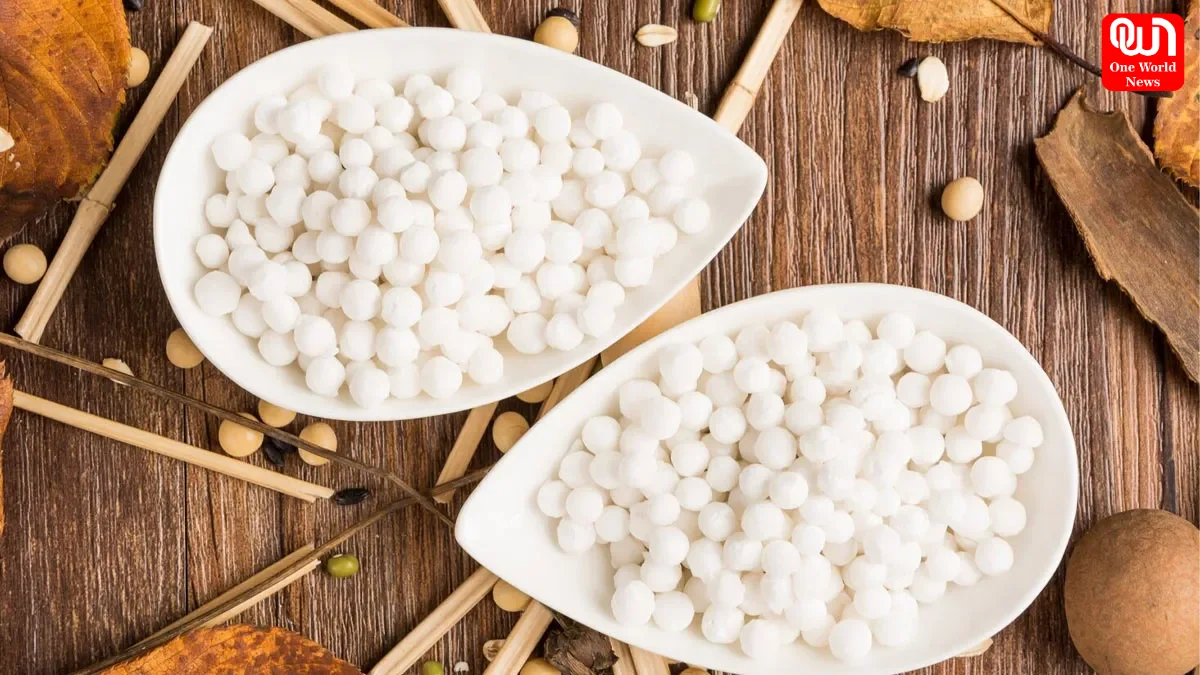
Why is Sabudana A Sawan Favourite: Health Benefits of Sabudana, Nutritional Benefits of Sabudana and Why It Is the Perfect Fasting Food During Sawan
The holy month of Sawan is one of the most important periods for devotees of Lord Shiva. During this time, many people observe fasts and prefer light yet filling foods that provide energy throughout the day. Among all fasting ingredients, Sabudana remains a timeless favourite. Whether prepared as khichdi, vada, kheer, or tikki, it is a staple in Indian households during the vrat season.
But why has Sabudana earned such a special place during Sawan? The answer lies in its ability to provide quick energy while being easy to digest. Understanding the health benefits of sabudana and its nutritional profile helps explain why it continues to be a preferred fasting food across generations. Sabudana is rich in carbohydrates that supply fast energy, though it is naturally low in protein and fiber, making it best when paired with ingredients like peanuts, yogurt, or milk for a more balanced meal.
What is Sabudana?
Sabudana, also known as tapioca pearls, is made from the starch extracted from cassava roots. The tiny white pearls become soft and fluffy after soaking, making them suitable for a variety of sweet and savoury recipes. Since it is naturally gluten-free and easy on the stomach, it is widely consumed during fasting festivals like Sawan, Navratri, and Mahashivratri.
Its neutral taste allows it to absorb flavours beautifully, making it one of the most versatile fasting ingredients in Indian cuisine.
Nutritional Benefits of Sabudana
One of the biggest nutritional benefits of sabudana is its high carbohydrate content. These carbohydrates provide an instant source of energy, which is particularly useful when people consume fewer meals during fasting.
Some important nutrients and qualities include:
- Rich source of carbohydrates for sustained energy.
- Naturally gluten-free.
- Low in fat.
- Easy to digest.
- Can be enriched with protein by combining it with peanuts, milk, or curd.
Although Sabudana itself contains limited protein, vitamins, and minerals, combining it with healthy ingredients significantly improves its overall nutritional value.
Health Benefits of Sabudana During Vrat Season
The health benefits of sabudana during vrat season go beyond simply keeping hunger away. Since fasting often changes regular eating patterns, foods that are gentle on digestion and provide energy become especially valuable.
Read more: World Psoriasis Day 2026: Raising Awareness, Breaking Stigma & Supporting Better Skin Health
1. Provides Instant Energy
Fasting can leave the body feeling low on energy. Sabudana’s carbohydrate-rich composition offers a quick energy boost, helping people stay active throughout the day without feeling exhausted.
2. Easy to Digest
Heavy meals are generally avoided during Sawan fasting. Sabudana is light on the stomach and can be digested easily, making it suitable for both adults and elderly individuals.
3. Helps Maintain Satiety
When cooked with roasted peanuts, potatoes, and mild spices, Sabudana meals become filling and satisfying. This helps reduce frequent hunger during fasting hours.
4. Naturally Gluten-Free
People following gluten-free diets can also enjoy Sabudana recipes. Its naturally gluten-free nature makes it suitable for many dietary preferences.
Sabudana Benefits During Sawan
The sabudana benefits during sawan are deeply connected with both tradition and nutrition. During the monsoon season, digestion may become slightly sensitive, and light foods are generally preferred. Sabudana fits perfectly into this seasonal eating pattern.
Popular Sawan dishes include:
- Sabudana Khichdi
- Sabudana Vada
- Sabudana Kheer
- Sabudana Tikki
- Sabudana Thalipeeth
These recipes provide energy while keeping meals simple and satisfying during fasting days.
How to Make Sabudana More Nutritious
Although Sabudana provides excellent energy, nutrition experts recommend pairing it with protein-rich and fiber-rich ingredients to create a balanced meal.
Good additions include:
- Roasted peanuts
- Fresh curd
- Milk
- Coconut
- Fresh coriander
- Lemon juice
- Mild vegetables where fasting rules allow
These ingredients improve the overall nutritional quality while enhancing taste and texture.
Things to Remember While Eating Sabudana
Despite the many health benefits of sabudana, moderation remains important. Since it is high in carbohydrates and has a moderate-to-high glycemic impact, people with diabetes or those monitoring blood sugar should eat it in controlled portions and pair it with protein or healthy fats.
Read more: Karnataka To Launch India’s First Women’s Health Policy With A Focus On Menopause
Proper soaking is equally important. Well-soaked Sabudana cooks evenly, improves texture, and is easier to digest.
Conclusion
There is a reason why Sabudana continues to be the most loved fasting food during the holy month of Sawan. Its quick energy, easy digestibility, versatility, and comforting taste make it an ideal ingredient for vrat recipes. While the nutritional benefits of sabudana mainly come from its carbohydrate content, pairing it with ingredients like peanuts, curd, and coconut creates a more balanced and satisfying meal. Whether you’re preparing a traditional khichdi or a delicious kheer, the health benefits of sabudana during vrat season make it a dependable choice for maintaining energy and enjoying the spiritual celebrations of Sawan.
We’re now on WhatsApp. Click to join.
Like this post?
Register at One World News to never miss out on videos, celeb interviews, and best reads.