
India Battery Manufacturing, ACC, Energy Storage, Renewable Energy, Grid Storage, Make in India, Battery Cells
India boosts India Battery Manufacturing with subsidies for ACC Battery Cells, Grid Storage, Renewable Energy, and Make in India.

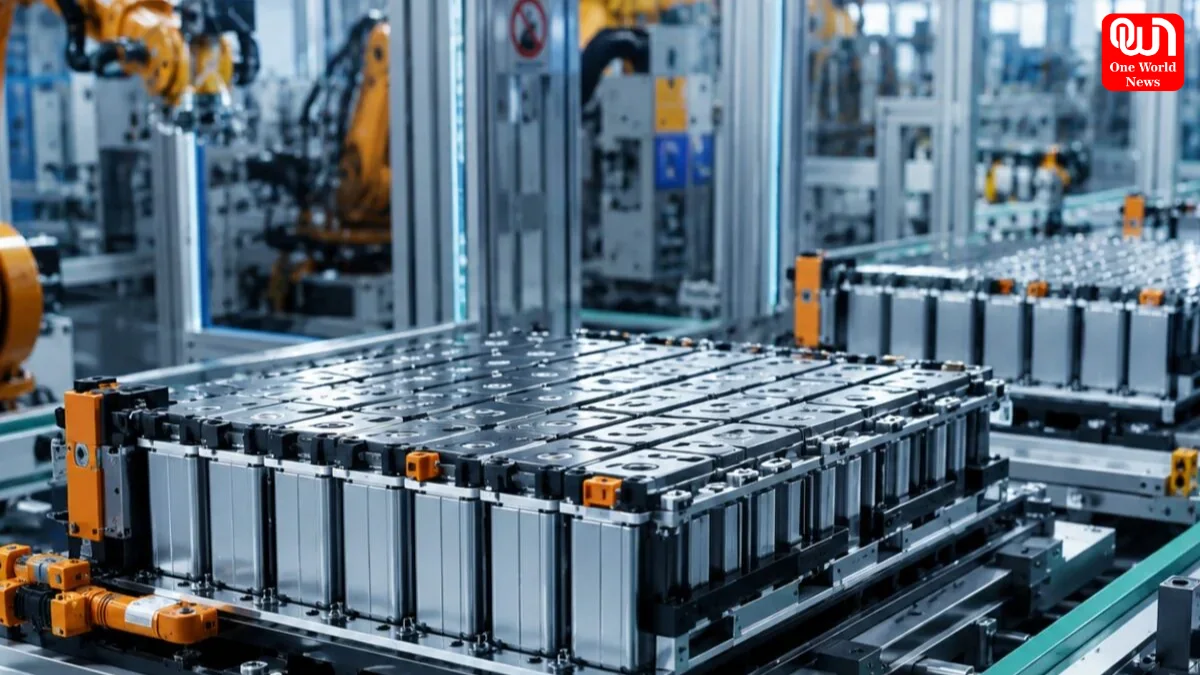
India Launches Giga-Scale Battery Plan, Offers Subsidies for Grid Energy Storage: A Big Push for India Battery Manufacturing, ACC Battery Cells, Renewable Energy and Make in India
India has taken another major step towards becoming a global clean energy leader by launching a new giga-scale battery manufacturing initiative focused on Grid Energy Storage. The Ministry of Heavy Industries has invited bids for 10 GWh of Advanced Chemistry Cell (ACC) manufacturing capacity specifically for stationary grid storage applications. The move comes with financial incentives under the Production Linked Incentive (PLI) scheme to encourage domestic India Battery Manufacturing and reduce dependence on imported battery technology.
The latest policy is expected to strengthen India’s renewable energy ecosystem while supporting the government’s ambitious Make in India mission. With rising investments in Battery Cells, energy storage, and clean power infrastructure, India is preparing to meet the growing demand for reliable electricity across the country.
Why the New Battery Plan Matters
India is rapidly expanding its renewable energy capacity through solar and wind projects. However, renewable power generation depends on weather conditions, making energy storage essential for ensuring uninterrupted electricity supply.
Large-scale Energy Storage systems can store surplus electricity generated during peak sunlight or strong winds and release it when demand increases. This improves grid stability, minimizes power outages, and enhances the efficiency of renewable energy integration.
Recognizing this need, the government has earmarked 10 GWh of ACC manufacturing capacity exclusively for grid-scale stationary storage, helping India build a stronger domestic battery ecosystem.
Boost for India Battery Manufacturing
The biggest highlight of the new initiative is its strong focus on India Battery Manufacturing. Instead of relying heavily on imported lithium-ion battery technology, the government wants companies to manufacture ACC Battery Cells within India.
The Production Linked Incentive (PLI) scheme offers financial support to manufacturers investing in giga-scale battery plants. Companies selected under the scheme must gradually increase domestic value addition, encouraging local production of battery components and creating a complete manufacturing ecosystem.
This initiative is expected to attract billions of rupees in investment while generating thousands of skilled jobs across manufacturing, research, engineering, and supply chains.
How ACC Battery Cells Support Renewable Energy
Advanced Chemistry Cell (ACC) technology represents the next generation of rechargeable batteries designed for higher energy density, longer life, and improved safety.
These Battery Cells are suitable for:
- Grid Energy Storage
- Solar power plants
- Wind energy projects
- Electric vehicles
- Industrial backup systems
As India increases renewable power generation, efficient Grid Storage solutions become essential for balancing electricity demand and supply. High-performance ACC batteries can store excess renewable energy and deliver it whenever required, reducing dependence on fossil fuel-based power generation.
Supporting India’s Renewable Energy Goals
India has set ambitious clean energy targets over the coming years, making battery storage one of the country’s top infrastructure priorities.
According to government estimates, India will require significant battery storage capacity by the end of the decade to efficiently integrate renewable power into the national electricity grid. Various government schemes, including Viability Gap Funding (VGF) and the PLI programme, are designed to accelerate deployment of Grid Storage systems while lowering costs for power distribution companies.
The combination of Renewable Energy generation and advanced Energy Storage technology will play a critical role in achieving India’s long-term sustainability goals.
Make in India Gets Another Major Push
The latest battery manufacturing initiative aligns perfectly with the government’s Make in India vision.
Domestic manufacturing of Battery Cells not only reduces imports but also strengthens India’s position in the global clean energy supply chain. Companies investing in local production can benefit from government incentives while helping build a self-reliant manufacturing ecosystem.
Several Indian companies have already announced giga-scale battery manufacturing projects, and more investments are expected as demand for Energy Storage continues to rise.
Economic Benefits Beyond Clean Energy
The new battery plan is expected to deliver multiple economic benefits, including:
- Expansion of India Battery Manufacturing
- Higher investment in advanced manufacturing
- Growth of battery component suppliers
- Increased employment opportunities
- Reduced dependence on battery imports
- Stronger energy security
- Improved competitiveness of Indian manufacturers
The initiative also supports sectors beyond electricity, including electric mobility, industrial power backup, and smart infrastructure development.
Future Outlook
India’s new giga-scale battery initiative marks a significant milestone in the country’s clean energy journey. By promoting domestic ACC production, expanding Grid Storage, and encouraging India Battery Manufacturing, the government is laying the foundation for a more reliable and sustainable energy future.
As renewable energy capacity continues to grow, demand for efficient Battery Cells and advanced Energy Storage solutions will increase rapidly. Combined with the Make in India initiative and government subsidies, the latest policy is expected to accelerate innovation, attract global investments, and establish India as a leading manufacturing hub for next-generation battery technology.
We’re now on WhatsApp. Click to join.
Like this post?
Register at One World News to never miss out on videos, celeb interviews, and best reads.