J&K, Ladakh Integral Part: India Slams China-Pakistan Statement On Kashmir, Opposes CPEC
India says J&K, Ladakh Integral Part of the country while rejecting the China-Pakistan Statement On Kashmir and strongly opposing the CPEC project.

“J&K, Ladakh Integral Part”: India Strongly Rejects China-Pakistan Statement On Kashmir And Reaffirms Opposition To CPEC
India has once again made its position clear on the Kashmir issue after reacting strongly to the recent China-Pakistan Statement On Kashmir. The Indian government stated that Jammu & Kashmir and Ladakh are and will always remain an integral part of India. The statement came after China and Pakistan discussed Kashmir and the China-Pakistan Economic Corridor (CPEC) during high-level talks.
India rejected the remarks made jointly by China and Pakistan and criticized attempts to interfere in its internal matters. The Ministry of External Affairs (MEA) emphasized that India’s sovereignty and territorial integrity are non-negotiable. The strong response also highlighted India’s continuing opposition to the CPEC project, parts of which pass through Pakistan-occupied Kashmir (PoK).
read more: Mass Exodus Hits TMC: Over 100 Municipal Councillors Quit Civic Bodies After Bengal Poll Rout
The issue has once again brought global attention to the geopolitical tensions in South Asia and the strategic importance of the Kashmir region.
India Reaffirms J&K, Ladakh Integral Part Of The Country
India firmly stated that J&K, Ladakh Integral Part of the nation, rejecting any external comments regarding the status of the region. Officials said that the Union Territories of Jammu & Kashmir and Ladakh were legally integrated into India and no country has the right to question India’s sovereignty.
The government also criticized China for repeatedly supporting Pakistan on the Kashmir issue. According to Indian officials, such statements violate diplomatic norms and ignore the reality that Kashmir is an internal matter of India.
After the abrogation of Article 370 in 2019, India reorganized the former state into two Union Territories — Jammu & Kashmir and Ladakh. Since then, India has consistently maintained that the decision was constitutional and fully within its sovereign rights.
What Was The China-Pakistan Statement On Kashmir?
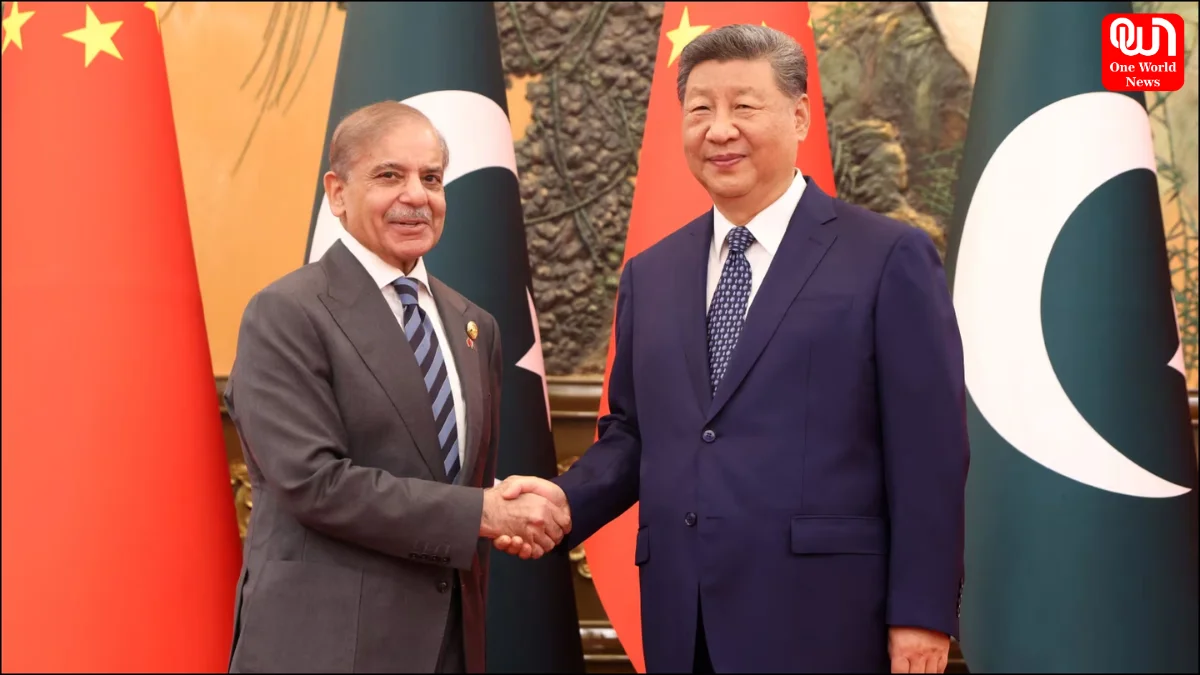
The recent China-Pakistan Statement On Kashmir emerged after bilateral discussions between leaders of the two countries. In the joint statement, both sides reportedly emphasized the importance of resolving the Kashmir issue peacefully.
Pakistan once again attempted to internationalize the Kashmir issue, while China expressed support for maintaining regional stability. However, India strongly objected to the mention of Kashmir in the statement.
Indian authorities said that no foreign country should comment on matters related to Indian territory. The government also accused Pakistan of using international platforms to spread misinformation regarding Kashmir.
Experts believe the joint statement reflects the growing strategic partnership between China and Pakistan, especially in areas linked to infrastructure, trade, and regional influence.
India’s Strong Opposition To CPEC
India also reiterated its objection to the China-Pakistan Economic Corridor, commonly known as CPEC. The multi-billion-dollar infrastructure project connects China’s Xinjiang province to Pakistan’s Gwadar Port.
India has repeatedly opposed the project because a major part of CPEC passes through Pakistan-occupied Kashmir, which India considers its sovereign territory. According to Indian officials, projects built in disputed territories without consent violate India’s territorial integrity.
The Indian government stated that no amount of international cooperation can justify activities that undermine sovereignty. Officials also stressed that India’s concerns over CPEC have been communicated to both China and Pakistan on several occasions.
Strategic experts believe the corridor has both economic and military significance for China and Pakistan. This makes the issue even more sensitive for India from a security perspective.
Growing Geopolitical Tensions In South Asia
The latest diplomatic exchange highlights the increasing tensions among India, China, and Pakistan. Relations between India and China have remained strained since the border clashes in eastern Ladakh in 2020. At the same time, India and Pakistan continue to face disagreements over terrorism and border issues.
The Kashmir issue remains one of the most sensitive subjects in South Asian politics. India has consistently maintained that any discussions related to Kashmir should only happen bilaterally between India and Pakistan, without involvement from third parties.
Global analysts believe the region will continue to witness diplomatic challenges as China expands its influence through projects like CPEC and Pakistan seeks international support on Kashmir.
Despite the tensions, India has continued focusing on development and infrastructure growth in Jammu & Kashmir and Ladakh. The government has highlighted improved connectivity, tourism, and investment initiatives in the region over the last few years.
Read more: 12 Years of Narendra Modi Government: Political Roundup on India’s Biggest Leadership Debate in 2026
India’s Clear Diplomatic Message
India’s response sends a strong diplomatic signal that the country will not tolerate external interference in matters related to its territorial sovereignty. By asserting that J&K, Ladakh Integral Part of India, the government reinforced its long-standing national position.
India also made it clear that the China-Pakistan Statement On Kashmir does not change the legal status of Jammu & Kashmir and Ladakh. Officials emphasized that national interests and territorial integrity remain top priorities for the country.
As regional tensions continue, the Kashmir issue is likely to remain at the center of diplomatic discussions involving India, China, and Pakistan.
We’re now on WhatsApp. Click to join.
Like this post?
Register at One World News to never miss out on videos, celeb interviews, and best reads.