Tulsi Gabbard Resigns Trump Intelligence Chief Amid Iran Policy Rift: Major Shake-Up Inside Trump Administration
Tulsi Gabbard Resigns Trump Intelligence Chief post amid Iran policy tensions, political pressure, and growing debate in Washington.

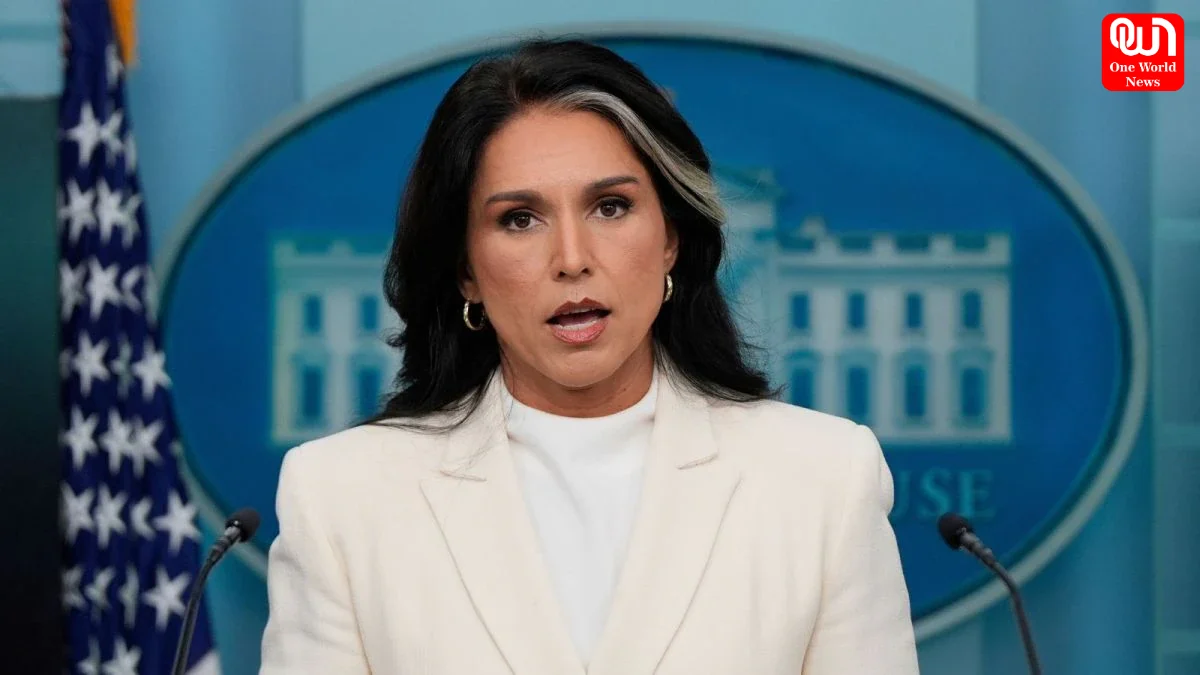
Tulsi Gabbard Resigns Trump Intelligence Chief Role Amid Rising Iran Policy Disputes and Internal White House Pressure
Former U.S. intelligence chief Tulsi Gabbard has officially stepped down from her role in President Donald Trump’s administration, triggering widespread political discussion across Washington. The development has intensified debates over America’s Iran strategy, national security priorities, and internal divisions within the Trump administration.
The news surrounding “Tulsi Gabbard Resigns Trump Intelligence Chief” quickly became one of the most searched political topics online after reports suggested growing disagreements over Iran policy and military intervention. While Gabbard publicly cited personal reasons related to her husband’s health, several reports also pointed toward mounting tensions between her office and the White House over foreign policy decisions.
Why Tulsi Gabbard’s Resignation Matters
Tulsi Gabbard served as the Director of National Intelligence (DNI), a position responsible for overseeing America’s intelligence agencies and advising the President on critical national security matters. Her resignation marks a major transition within Trump’s cabinet and could significantly impact future U.S. foreign policy decisions.
Gabbard had long been known for her anti-war stance and criticism of prolonged U.S. military interventions. During her political career, she often challenged aggressive foreign policies, especially in the Middle East. Reports indicate that these views increasingly conflicted with the administration’s tougher approach toward Iran.
Political analysts believe the disagreement became more visible after debates surrounding intelligence assessments on Iran’s nuclear capabilities and military threats. Critics within Washington argued that the administration wanted a stronger and more aggressive position, while Gabbard maintained a comparatively cautious approach.
Growing Tensions Over Iran Policy
The issue of Iran reportedly played a central role in the internal friction surrounding Gabbard’s tenure. Several reports claimed President Trump and key advisers were unhappy with her softer stance regarding Iran’s threat assessment.
During Senate hearings earlier this year, Gabbard faced intense questioning regarding whether Iran posed an “imminent threat” to the United States. Her responses created political controversy, especially after she emphasized that determining an imminent threat was ultimately the President’s responsibility.
At the same time, resignations from other officials linked to disagreements over Iran policy further fueled speculation about growing instability within the administration. Former counterterrorism official Joe Kent also reportedly stepped down over concerns related to the Iran conflict.
These developments strengthened claims that deep divisions existed behind closed doors regarding how aggressively the United States should confront Iran.
Personal Reasons Behind the Resignation
Despite political speculation, Tulsi Gabbard officially stated that her decision was heavily influenced by personal circumstances. According to reports, her husband Abraham Williams was diagnosed with a rare form of bone cancer, prompting her decision to leave office and focus on family responsibilities.
In her resignation letter, Gabbard reportedly expressed gratitude toward President Trump while emphasizing that family needed to come first during this difficult period. The White House acknowledged her service, and acting leadership arrangements were quickly announced following her departure.
However, political observers continue debating whether personal reasons alone explain the timing of her resignation, especially amid growing policy disagreements and reports of White House dissatisfaction.
Political Impact on the Trump Administration
The phrase “Tulsi Gabbard Resigns Trump Intelligence Chief” is now dominating political headlines because of the broader implications for Trump’s national security team.
Her departure raises several questions:
- Will the administration adopt a tougher Iran policy moving forward?
- Could additional cabinet changes happen soon?
- How will intelligence agencies respond to leadership changes?
- What impact will this have on America’s global diplomatic image?
Experts believe the resignation may strengthen hardline voices inside the administration who favor stronger military positioning and stricter foreign policy measures.
At the same time, supporters of Gabbard argue that her resignation reflects growing concerns about politicization within the intelligence community. Critics fear intelligence assessments could increasingly become influenced by political agendas rather than independent analysis.
Read more: Cockroach Janta Party X Handle Blocked After IB Flagged ‘National Security’ Threat
Public Reaction and Political Debate
Social media platforms exploded with reactions after the announcement. Supporters praised Gabbard for standing by her principles and prioritizing family during a difficult time. Others questioned whether internal pressure forced her exit.
Political commentators across both Democratic and Republican circles have also debated her legacy. Some view her as an independent voice willing to challenge establishment thinking, while others criticized her controversial positions on global conflicts and foreign governments.
Regardless of political opinion, her resignation marks a major moment in contemporary U.S. politics and reflects how deeply divided Washington remains on issues related to war, intelligence, and global strategy.
We’re now on WhatsApp. Click to join.
Like this post?
Register at One World News to never miss out on videos, celeb interviews, and best reads.