What Is Conversion Therapy For LGBTQ+ That King Charles Is Promising To Ban
What Is Conversion Therapy For LGBTQ+? Understanding King Charles’ Proposed Ban and Why It Matters for LGBTQ+ Rights

Learn what Conversion Therapy For LGBTQ+ means, why King Charles plans to ban it, and how it impacts LGBTQ+ rights and mental health
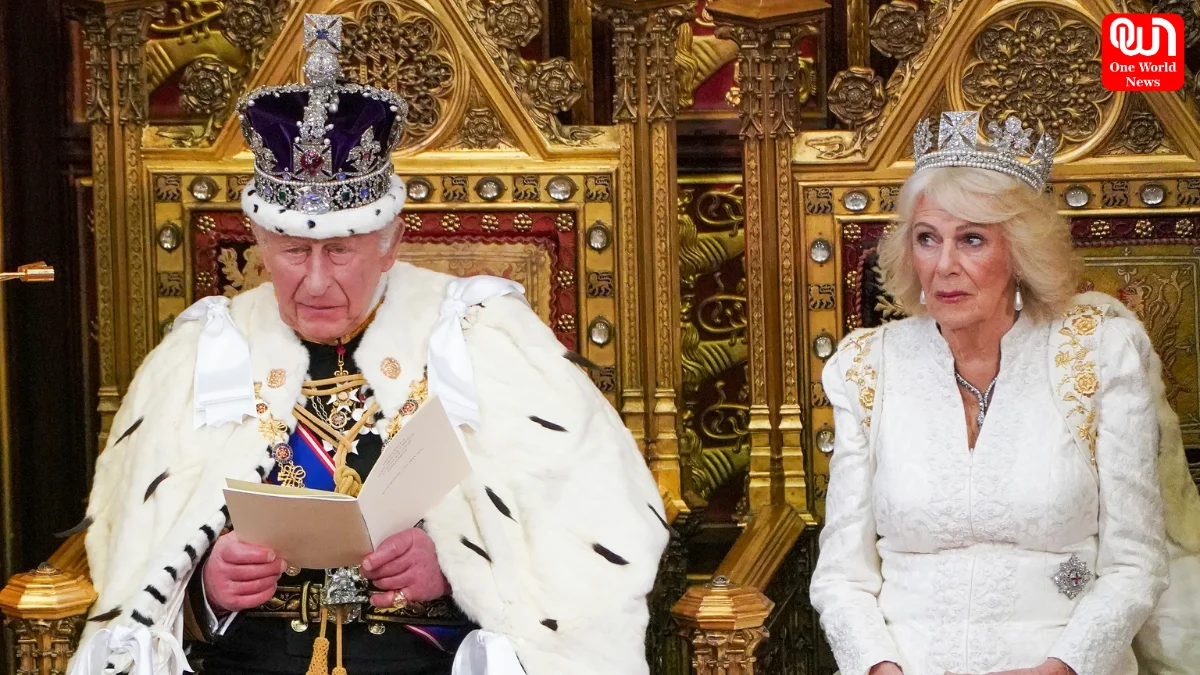
Conversion Therapy For LGBTQ+ people has once again become a major global discussion after King Charles III announced that the UK government plans to introduce legislation banning the controversial practice in England and Wales. The proposal was included in the latest King’s Speech, which outlines the British government’s legislative priorities.
But what exactly is conversion therapy, why is it considered harmful, and why is the UK government finally moving toward a ban after years of debate?
What Is Conversion Therapy For LGBTQ+?
Conversion therapy refers to practices or treatments that attempt to change, suppress, or “cure” a person’s sexual orientation or gender identity. These practices target LGBTQ+ individuals, especially people who identify as gay, lesbian, bisexual, transgender, or non-binary.
The methods used in conversion therapy can vary widely. Some involve psychological counseling, while others may include religious rituals, behavioral conditioning, or emotional pressure from families and communities. Major medical and mental health organizations worldwide have condemned conversion therapy, calling it ineffective and psychologically harmful.
Health experts say these practices can lead to severe mental health issues, including anxiety, depression, trauma, and suicidal thoughts.
Why Is King Charles Promising To Ban It?
King Charles announced that the British government will introduce a “Draft Conversion Practices Bill” aimed at banning abusive conversion practices targeting both sexual orientation and gender identity. The proposal is part of the Labour government’s legislative agenda.
According to the government, the law will specifically focus on abusive and coercive practices while ensuring legitimate healthcare conversations remain protected. The legislation is expected to apply in England and Wales.
This is not the first time a UK government has promised such a ban. In fact, campaigners note that conversion therapy bans have been discussed since 2018 under multiple prime ministers, including Theresa May and Boris Johnson. However, no full law has yet been implemented.
The latest announcement signals renewed political pressure to finally pass legislation protecting LGBTQ+ individuals from harmful practices.
Read more: Loud, Queer & Unapologetic
Why Conversion Therapy Is So Controversial
Supporters of banning conversion therapy argue that sexual orientation and gender identity are not illnesses and should never be treated as conditions needing “correction.”
Organizations like Stonewall and other LGBTQ+ advocacy groups have repeatedly stated that conversion practices cause long-term emotional and psychological harm.
Some survivors describe experiences involving shame, fear, social isolation, and emotional abuse. Others say they were pressured into therapy by religious groups or family expectations.
Medical experts also point out that there is no scientific evidence proving conversion therapy works. Instead, most studies and mental health organizations warn that these practices increase emotional distress.
Will The Ban Include Transgender People?
One of the biggest debates surrounding the proposed legislation is whether the ban will fully protect transgender individuals.
Recent reports suggest the UK government is planning a trans-inclusive ban, meaning the legislation would protect people targeted because of their gender identity as well as sexual orientation.
However, the issue remains politically sensitive. Some critics worry the law could affect religious freedoms or conversations around gender identity. Others argue the protections must remain broad enough to prevent loopholes.
LGBTQ+ campaign groups continue pushing for comprehensive legal protections that cover all forms of coercive conversion practices.
Read more: Pride Month 2026: Meaning, History, and Global Celebrations
Global Perspective On Conversion Therapy
Many countries and regions around the world have already introduced bans or restrictions on conversion therapy. Mental health bodies across Europe, North America, and other regions increasingly recognize the practice as harmful.
In the UK, professional healthcare organizations and the NHS have publicly opposed conversion therapy for years.
The growing international movement against conversion therapy reflects changing public attitudes toward LGBTQ+ rights and mental health awareness.
Why This Matters
The renewed effort to ban Conversion Therapy For LGBTQ+ individuals is about more than legislation. For many people, it represents recognition that LGBTQ+ identities are valid and should not be “fixed” or erased.
Campaigners say legal protections are necessary to prevent emotional abuse and protect vulnerable young people from harmful practices disguised as therapy or counseling.
While the proposed UK law still needs to go through the legislative process, King Charles’ announcement has once again placed LGBTQ+ rights and mental health protections at the center of public debate.
We’re now on WhatsApp. Click to join.
Like this post?
Register at One World News to never miss out on videos, celeb interviews, and best reads.