Ganga Expressway Detailed Guide: Route, Cities Covered, Toll Charges, Speed Limit & Latest Updates (2026)
Ganga Expressway guide: route, cities covered, toll ₹1800, speed limit 120 km/h, travel time, and key features of UP’s longest expressway.

Ganga Expressway Detailed Guide 2026: Full Route Map, Cities Covered, Toll Charges, Speed Limit, Travel Time & Key Features Explained
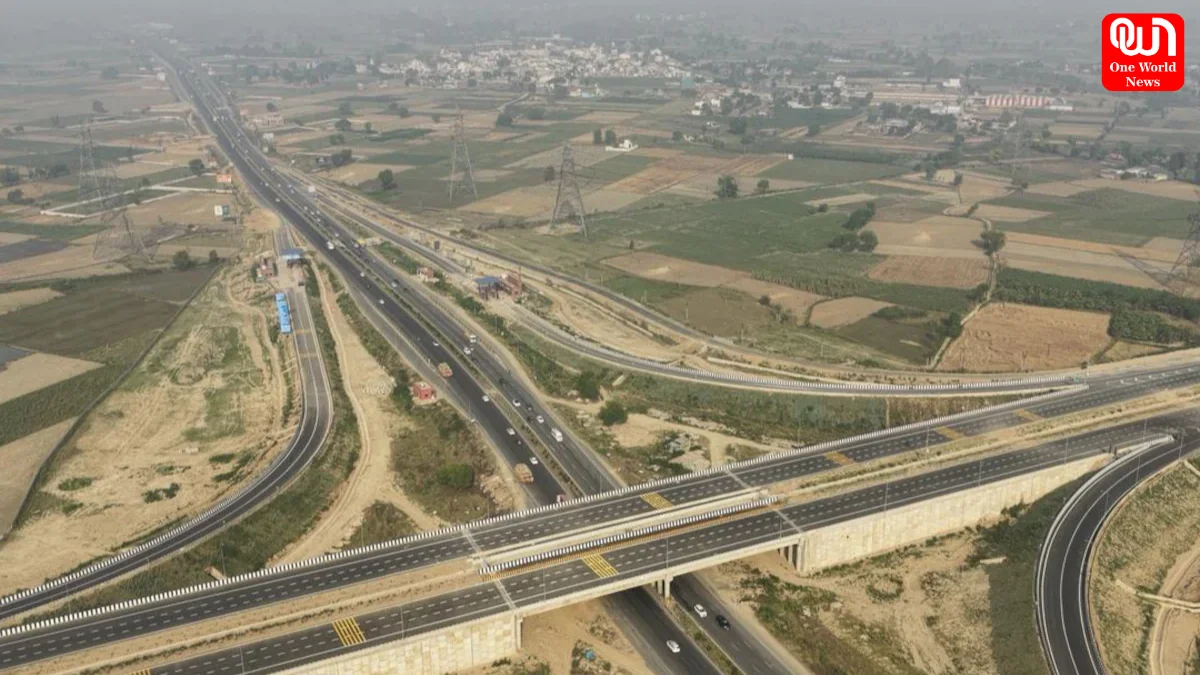
The Ganga Expressway is one of India’s most ambitious infrastructure projects, transforming road connectivity across Uttar Pradesh. Stretching approximately 594 km from Meerut to Prayagraj, this six-lane (expandable to eight) expressway significantly reduces travel time and boosts economic growth across multiple districts.
In this detailed guide, we’ll cover everything you need to know about the Ganga Expressway — including its route, cities covered, toll charges, speed limit, and more.
Ganga Expressway Route Overview
The Ganga Expressway starts from Bijauli village in Meerut and ends at Judapur Dandu in Prayagraj. It runs parallel to the Ganga River, connecting western and eastern Uttar Pradesh seamlessly.
Key Route Highlights:
- Start Point: Meerut
- End Point: Prayagraj
- Total Length: ~594 km
- Type: Access-controlled expressway
- Lanes: 6 (expandable to 8)
This expressway acts as a backbone corridor, linking several important highways and boosting inter-city travel efficiency.
Cities and Districts Covered
The Ganga Expressway passes through 12 major districts, improving connectivity for both urban and rural regions.
Major Cities Covered:
- Meerut
- Hapur
- Bulandshahr
- Amroha
- Sambhal
- Budaun
- Shahjahanpur
- Hardoi
- Unnao
- Raebareli
- Pratapgarh
- Prayagraj
These districts include both developed and underdeveloped regions, helping balance economic growth across the state.
Read more: Narendra Modi Football Sikkim: PM Modi Plays Football With Youngsters After West Bengal Campaign
Speed Limit on Ganga Expressway
One of the biggest advantages of the Ganga Expressway is its high-speed design.
- Maximum Speed Limit: 120 km/h
- Designed for smooth, uninterrupted travel
- Access-controlled entry and exit
This allows commuters to travel long distances much faster compared to traditional highways.
Travel Time Benefits
Before the expressway, traveling between Meerut and Prayagraj could take 10–12 hours.
Now:
- Travel Time: 6–7 hours
- Faster logistics movement
- Reduced fuel consumption
This massive reduction in travel time makes it a game-changer for daily commuters and businesses alike.
Toll Charges on Ganga Expressway
The expressway uses a modern toll collection system with multiple plazas.
- Estimated Toll for Cars (Full Route): ₹1800 (one-way)
- Multiple entry/exit toll plazas
- Smart tolling and FASTag support
The toll cost varies depending on the distance traveled and vehicle type.
Key Features of Ganga Expressway
The Ganga Expressway is more than just a road — it’s a modern infrastructure corridor.
1. Six-Lane Expandable Design
The expressway currently has six lanes, with provisions to expand to eight lanes in the future.
2. Emergency Airstrip
A 3+ km airstrip in Shahjahanpur allows emergency landings for defense aircraft.
3. Industrial Corridor Development
The project integrates:
- Logistics hubs
- Warehousing zones
- Industrial clusters
4. Advanced Safety Systems
- CCTV monitoring
- Ambulance services
- Emergency call boxes
Economic and Development Impact
The Ganga Expressway is expected to:
- Boost regional trade
- Improve rural connectivity
- Increase investment opportunities
- Generate employment
It connects agricultural areas with urban markets, helping farmers and businesses grow faster.
Future Expansion Plans
The expressway is part of a larger network plan:
- Extension towards Varanasi and Ballia
- Linkages with other expressways in Uttar Pradesh
- Integration with national logistics corridors
This will further strengthen connectivity across northern India.
Read more: India To Launch First Commercial Seaplane Service With Lakshadweep As The Starting Point
Conclusion
The Ganga Expressway is a landmark infrastructure project that is reshaping transportation in Uttar Pradesh. With its high-speed travel (120 km/h), reduced travel time, modern toll system, and wide connectivity, it stands as one of India’s most important expressways.
Whether you are a daily commuter, traveler, or business owner, this expressway offers faster, safer, and more efficient journeys across the state.
We’re now on WhatsApp. Click to join.
Like this post?
Register at One World News to never miss out on videos, celeb interviews, and best reads.