Chabahar Project On Track Despite Sanctions, Indian Ships Safe In Hormuz: Iran Envoy Reassures Amid Tensions
Chabahar Project stays on track despite sanctions; Iran assures Indian Ships Safe In Hormuz, strengthening trade and strategic ties.

Chabahar Project On Track Despite Sanctions, Says Iran Envoy; Indian Ships Safe In Hormuz Despite Rising Regional Tensions
Amid escalating geopolitical tensions in West Asia and growing concerns over maritime security, Iran has reaffirmed its commitment to the Chabahar Project, emphasizing that development continues despite international sanctions. At the same time, Iranian officials have assured that Indian ships remain safe in the Strait of Hormuz, offering a sense of stability in an otherwise volatile region.
Strategic Importance of the Chabahar Project
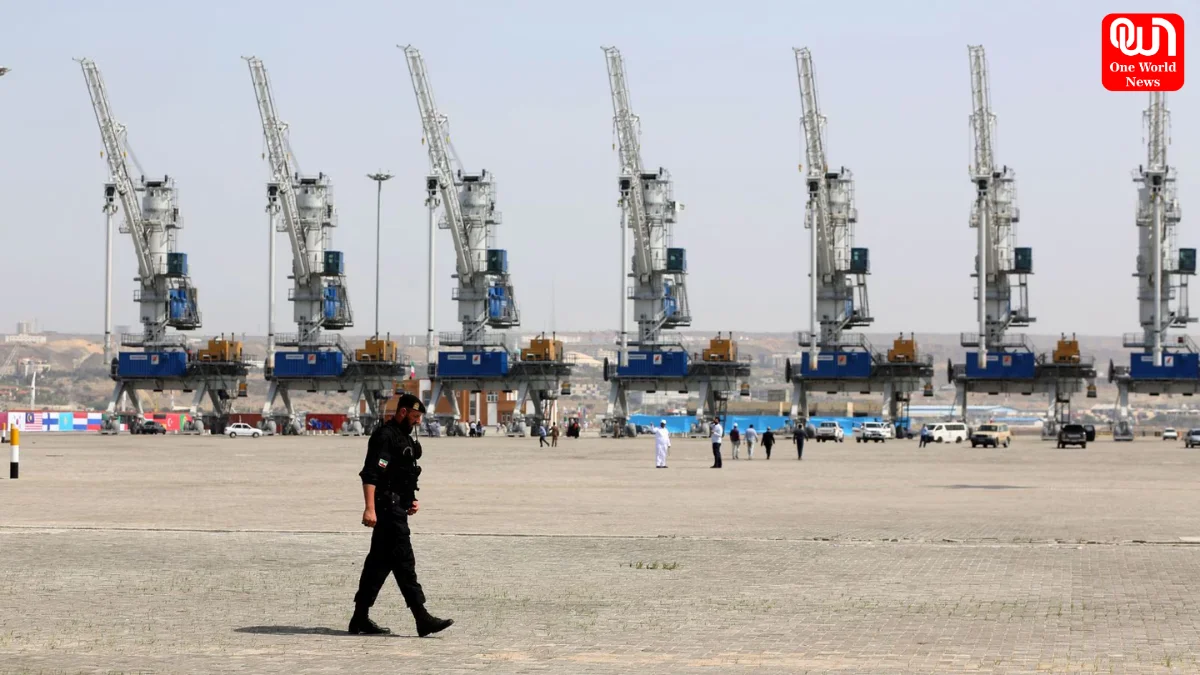
The Chabahar Project holds immense strategic value for India, Iran, and the broader region. Located in southeastern Iran along the Gulf of Oman, the port provides India with a crucial trade route to Afghanistan and Central Asia—bypassing Pakistan entirely.
This connectivity is not just about trade; it is about geopolitics. The port is a key component of the International North-South Transport Corridor (INSTC), linking India to Europe via Iran and Russia. By reducing dependency on traditional routes, Chabahar strengthens India’s regional influence and economic reach.
Despite challenges posed by U.S. sanctions, Iran has reiterated that the project remains “on track,” signaling resilience and long-term commitment to regional cooperation.
read more: Narendra Modi Football Sikkim: PM Modi Plays Football With Youngsters After West Bengal Campaign
Sanctions vs Strategic Continuity
Sanctions have long been a hurdle for the Chabahar initiative. While the United States has periodically granted waivers due to the project’s importance for Afghanistan’s development, uncertainty continues to loom.
Recent reports suggest India and Iran are actively exploring mechanisms to safeguard their investments and operational control as sanction waivers approach expiry.
Iran’s envoy has made it clear: the project is not just surviving sanctions—it is progressing. This message is crucial for investors and stakeholders who view Chabahar as a long-term strategic asset.
Strait of Hormuz: A Flashpoint of Global Concern
The Strait of Hormuz remains one of the world’s most critical maritime chokepoints, handling a significant share of global oil shipments. However, recent military tensions have turned it into a high-risk zone.
Incidents involving drone strikes, ship attacks, and naval confrontations have heightened fears. In fact, traffic through the strait has seen sharp disruptions due to security threats and military warnings.
Despite this, Iran has conveyed a reassuring message to India.
Read more: India To Launch First Commercial Seaplane Service With Lakshadweep As The Starting Point
Indian Ships Safe in Hormuz
Iran’s ambassador to India recently emphasized that Indian vessels would be granted safe passage through the Strait of Hormuz, highlighting the strong bilateral relationship between the two nations.
This assurance comes at a critical time. Earlier incidents involving attacks and restrictions had raised alarms, prompting India to deploy naval assets and closely monitor the situation.
India has also confirmed that discussions with Iran are focused on ensuring the safety of its ships navigating the region.
The message is clear: despite tensions, diplomatic channels remain active, and both countries are working to avoid disruptions in maritime trade.
India-Iran Relations: A Balancing Act
India’s relationship with Iran is a delicate balancing act between strategic interests and global diplomatic pressures. On one hand, India must navigate U.S. sanctions and geopolitical alignments. On the other, it cannot afford to lose access to a critical gateway like Chabahar.
Iran, for its part, views India as a reliable partner and has repeatedly emphasized the importance of continued collaboration. The Chabahar port has been described as a “symbol of cooperation” between the two nations, reflecting shared economic and strategic goals.
What Lies Ahead?
The future of the Chabahar Project will largely depend on how India and Iran manage external pressures, particularly sanctions. However, current developments suggest a strong intent from both sides to keep the project moving forward.
At the same time, assurances regarding the safety of Indian ships in the Strait of Hormuz provide a crucial boost to confidence, ensuring that trade routes remain functional despite regional instability.
Conclusion
The dual message from Iran—progress on the Chabahar Project and safety for Indian ships in Hormuz—signals continuity amid chaos. While geopolitical tensions continue to shape the region, strategic cooperation between India and Iran appears resilient.
For India, Chabahar is more than just a port; it is a gateway to opportunity. And for now, that gateway remains open.
We’re now on WhatsApp. Click to join.
Like this post?
Register at One World News to never miss out on videos, celeb interviews, and best reads.