Trump Imposes 100% Tariff on Select Drugs, Tightens Metal Duties
Trump Imposes 100% Tariff on select drugs and revises metal duties to boost US manufacturing and cut prices, sparking global trade concerns.

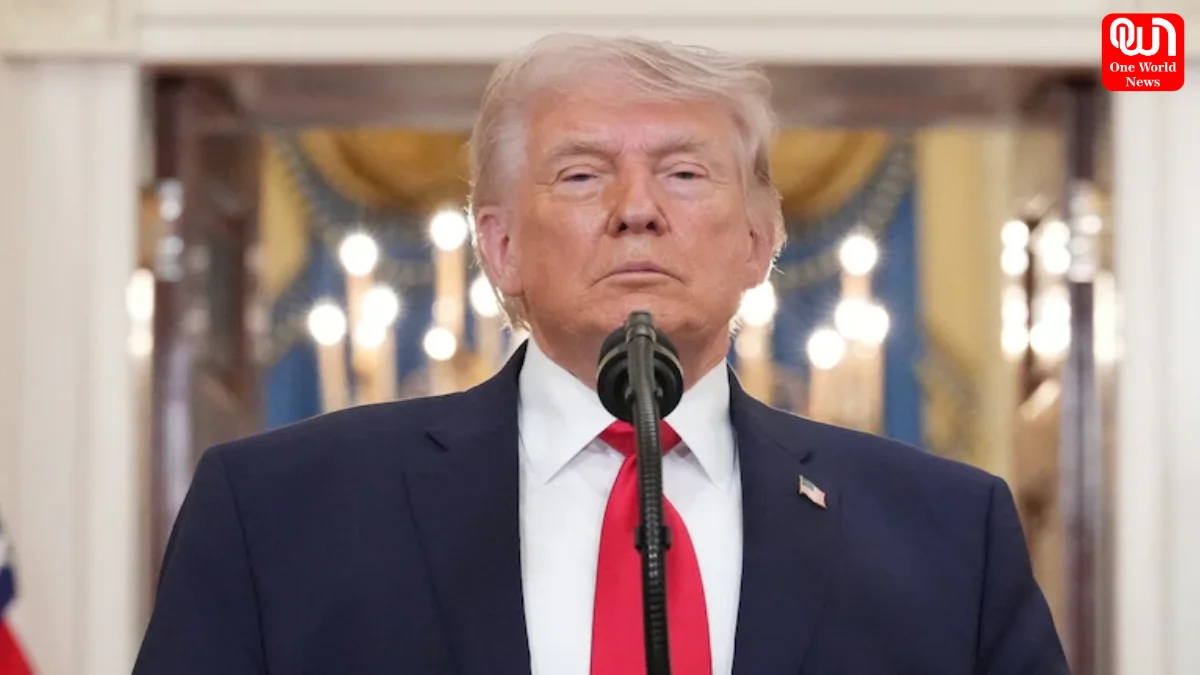
Trump Imposes 100% Tariff on Select Drugs to Cut Prices and Boost US Manufacturing, While Tightening Metal Duties
In a major escalation of U.S. trade policy, former President Donald Trump has announced sweeping new tariffs, including a 100% tariff on select imported drugs, alongside significant changes to duties on metals such as steel, aluminum, and copper. The move is part of a broader strategy aimed at reducing drug prices, encouraging domestic manufacturing, and reshaping global trade dynamics.
The policy marks one of the most aggressive steps in Trump’s ongoing tariff-driven economic agenda, coming nearly a year after the rollout of his earlier “Liberation Day” tariffs.
Why Trump Imposes 100% Tariff on Drugs
The central idea behind the decision is to pressure pharmaceutical companies into lowering drug prices in the United States. Under the new rules, companies that fail to comply with pricing demands or refuse to invest in U.S.-based manufacturing could face tariffs as high as 100% on their imported products.
To avoid these tariffs, drugmakers are given two main options:
- Join a “most favored nation” pricing program, aligning U.S. prices with the lowest global rates
- Shift production to the United States by building domestic manufacturing facilities
Companies that agree to invest in U.S. production may face reduced tariffs, sometimes as low as 20% during the transition period.
This policy is designed not only to bring down healthcare costs but also to strengthen national supply chains and reduce dependence on foreign pharmaceutical imports.
Impact on Global Pharma Industry
The announcement has sent shockwaves through the global pharmaceutical sector. While some large companies have already agreed to the new pricing and investment conditions, smaller and mid-sized firms have raised concerns about fairness and feasibility.
Countries like India, a major exporter of pharmaceutical products to the U.S., could be significantly affected. Increased tariffs may reduce competitiveness and force exporters to rethink supply chains or pricing strategies.
Although generic drugs and essential medicines may receive temporary exemptions, the long-term implications for global drug pricing and trade remain uncertain.
Read more: Gold and Silver Prices Today See Mild Decline in Domestic and Global Markets
Metal Duties Also Tightened
Alongside pharmaceutical tariffs, Trump has introduced a revamped structure for metal duties. These changes aim to simplify enforcement while continuing to protect domestic industries.
Key updates include:
- A revised tariff system applied to the full value of metal-containing products
- Adjustments to steel, aluminum, and copper tariffs, with some rates lowered and others maintained
- Exemptions for products with minimal metal content
In some cases, tariffs have been reduced to around 25% for certain goods, but the new calculation method could still increase overall costs for manufacturers.
The administration argues that these changes will close loopholes, prevent underreporting, and ensure fair competition for U.S. producers.
Economic and Political Reactions
The policy has sparked mixed reactions across industries and political circles. Supporters argue that it will:
- Boost domestic manufacturing
- Create jobs
- Reduce reliance on foreign supply chains
However, critics warn that the tariffs could lead to higher costs for consumers, particularly in healthcare and manufacturing sectors. Economists note that tariffs are often passed on to importers and ultimately to consumers.
Business groups have also expressed concern about increased uncertainty and potential disruptions in global trade.
Strategic Timing and Broader Agenda
The announcement comes at a politically significant moment, as Trump continues to emphasize economic nationalism ahead of upcoming elections. The tariffs align with his broader agenda of prioritizing American industries and addressing trade imbalances.
Read more: Political Roundup: Top Headlines Shaping the Nation Today
Additionally, the move follows legal challenges that invalidated some earlier tariff measures, prompting the administration to restructure its approach using different legal frameworks.
Conclusion
The decision as Trump Imposes 100% Tariff represents a bold and controversial shift in U.S. trade policy. By targeting both pharmaceuticals and metals, the administration aims to tackle multiple economic objectives simultaneously—lowering drug prices, boosting domestic production, and tightening control over imports.
While the long-term outcomes remain uncertain, one thing is clear: these measures will have far-reaching implications for global trade, healthcare costs, and industrial supply chains. As countries and companies respond, the ripple effects of this policy are likely to shape the global economic landscape in the months and years ahead.
We’re now on WhatsApp. Click to join.
Like this post?
Register at One World News to never miss out on videos, celeb interviews, and best reads.