
Noida International Airport Inaugurated by PM Modi at Jewar, Set to Ease NCR Congestion
PM Modi launches Noida International Airport at Jewar, boosting NCR connectivity, reducing IGI congestion, and driving regional growth.

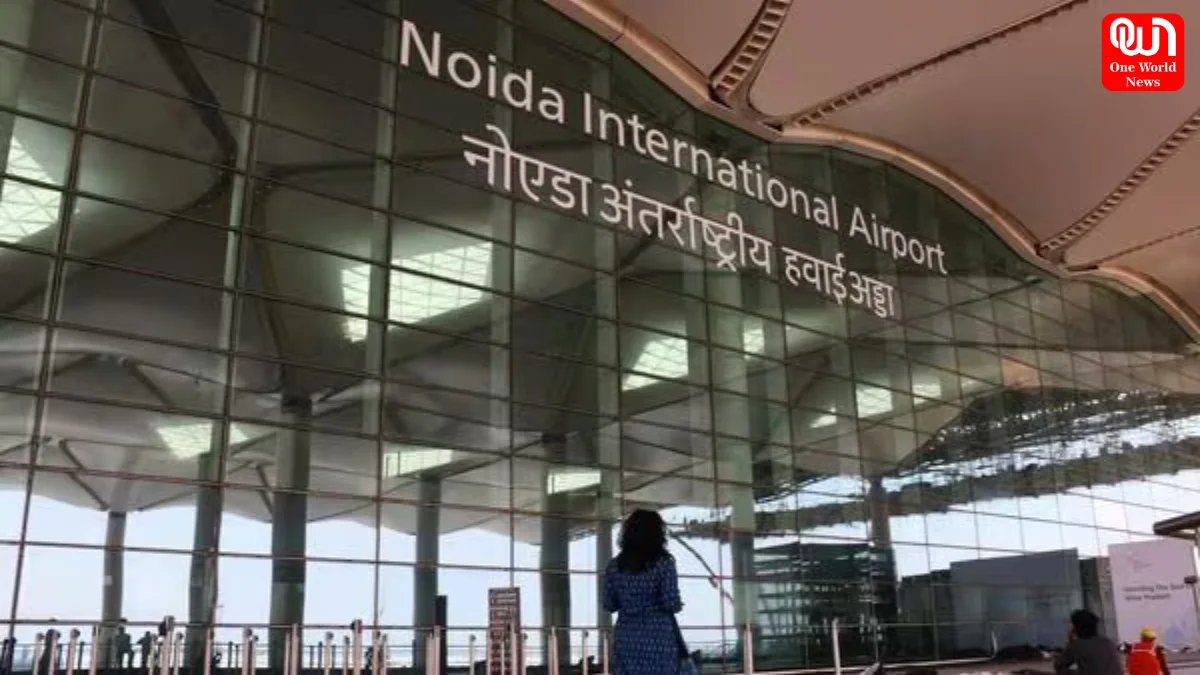
PM Modi Inaugurates Noida International Airport at Jewar: How India’s New Aviation Hub Will Ease NCR Congestion and Boost Connectivity
Prime Minister Narendra Modi on March 28, 2026, inaugurated the Noida International Airport at Jewar in Uttar Pradesh, marking a major milestone in India’s infrastructure and aviation sector. The launch of this greenfield airport is expected to significantly reduce congestion at Delhi’s Indira Gandhi International Airport and improve connectivity across the National Capital Region (NCR).
The Noida International Airport, located near Greater Noida along the Yamuna Expressway, is the second international airport serving the Delhi-NCR region. Built as part of a long-term vision to strengthen India’s aviation network, the airport is designed to handle rising passenger demand and support economic growth in North India.
One of the key reasons behind the development of the Noida International Airport is the increasing pressure on Delhi’s IGI Airport, which is among the busiest airports in India. With passenger traffic growing rapidly over the past decade, congestion and operational strain have become significant challenges. The new airport at Jewar is expected to ease this burden by handling a substantial share of domestic and international flights.
Read more: West Bengal voter list deletion: 13 lakh names removed amid Bengal election voter data controversy
The location of the airport plays a strategic role in its importance. Situated along the Yamuna Expressway, it offers excellent connectivity to major cities such as Noida, Greater Noida, Ghaziabad, Agra, and Mathura. This will make air travel more accessible for millions of people living in these regions, reducing travel time and improving convenience for passengers.
The first phase of the Noida International Airport has been developed at a cost of over ₹11,000 crore. It includes a modern passenger terminal, a runway, and advanced air traffic management systems. Initially, the airport is expected to handle around 12 million passengers annually, with plans to expand capacity to nearly 70 million passengers in the coming years. This phased development ensures that the airport can scale up operations in line with growing demand.
In addition to passenger services, the airport is also expected to become a major cargo hub. With dedicated cargo facilities, it will enhance logistics and trade capabilities in the region. This is particularly important for businesses and industries in Uttar Pradesh and nearby states, as improved air cargo infrastructure can boost exports and supply chain efficiency.
The Noida International Airport has also been designed with sustainability in mind. Authorities have incorporated eco-friendly features such as energy-efficient systems and a focus on reducing carbon emissions. This aligns with India’s broader commitment to sustainable infrastructure development and environmental responsibility.
The inauguration of the airport is expected to bring significant economic benefits. It is likely to attract investments, promote industrial development, and create employment opportunities in sectors such as aviation, logistics, hospitality, and retail. The surrounding regions are also expected to witness rapid growth in real estate and commercial activities.
Prime Minister Modi, during the inauguration ceremony, highlighted the importance of modern infrastructure in driving economic progress. He stated that projects like the Noida International Airport reflect the government’s commitment to improving connectivity and enhancing the ease of living for citizens. The airport is also expected to support the development of industrial corridors and strengthen Uttar Pradesh’s position as an emerging economic hub.
Although the airport has been inaugurated, commercial flight operations are expected to begin in the coming weeks after final regulatory approvals. Initially, domestic flights are likely to start, followed by international routes. Airlines are expected to gradually shift part of their operations to the new airport, helping reduce congestion at Delhi’s main airport.
Read more: Petrol Diesel Price Cut India: Govt Slashes Excise Duty by Rs 10 Amid Middle East Crisis
Security and traffic arrangements were also a key focus during the inauguration event. Authorities implemented special traffic diversions and security measures in Noida and nearby areas to ensure smooth movement during the Prime Minister’s visit.
The Noida International Airport represents a significant step forward in India’s aviation journey. As one of the largest upcoming airports in Asia, it is expected to transform air travel in North India. By reducing congestion, improving connectivity, and supporting economic growth, the airport is set to become a critical infrastructure asset for the region.
In the long run, the Noida International Airport will not only benefit passengers but also contribute to India’s ambition of becoming a global aviation hub.
We’re now on WhatsApp. Click to join.
Like this post?
Register at One World News to never miss out on videos, celeb interviews, and best reads.