Breathing Workouts: The New Fitness Trend for Mental Health
Breathing Workouts: In recent years, the fitness industry has expanded beyond physical strength and endurance.

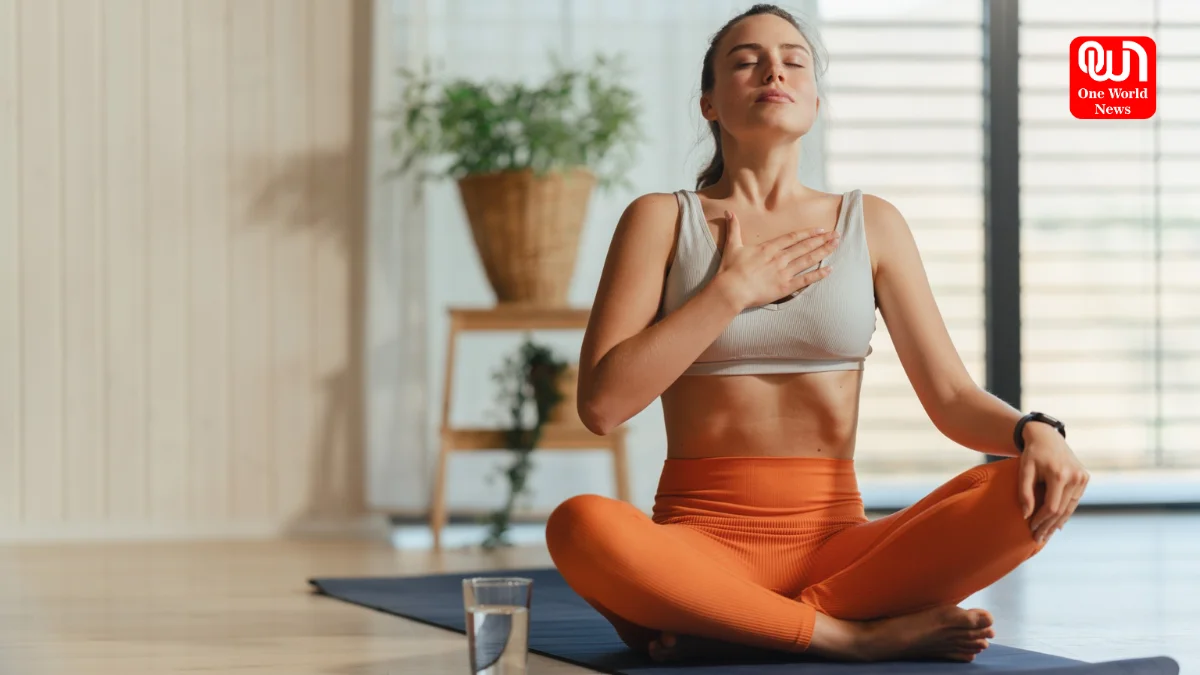
Breathing Workouts for Mental Health: Benefits, Techniques & Daily Routine Guide
Breathing Workouts: In recent years, the fitness industry has expanded beyond physical strength and endurance. Today, wellness trends are increasingly focused on emotional resilience, stress reduction, and cognitive clarity. One of the most powerful yet simple tools leading this shift is Breathing Workouts.
Unlike traditional exercise routines that focus on muscles and stamina, breathing workouts train your respiratory system and nervous system. The result? Improved Mental Health, reduced anxiety, better sleep, enhanced focus, and emotional balance — all through intentional breathing techniques.
Breathing is automatic, but when practiced consciously, it becomes a transformative wellness tool.
What Are Breathing Workouts?
Breathing workouts are structured breathing exercises designed to regulate your nervous system, increase oxygen flow, and improve emotional stability. They combine controlled inhalation and exhalation patterns with mindful awareness.
These workouts are used in:
-
Yoga and meditation practices
-
Clinical anxiety management
-
Athletic training
-
Corporate stress management programs
The goal is simple: shift your body from a stress response (fight-or-flight) to a calm response (rest-and-digest).
Why Breathing Workouts Matter for Mental Health
Your breath is directly connected to your nervous system. When you’re anxious, your breathing becomes shallow and rapid. When you’re calm, your breathing slows and deepens.
By consciously controlling your breath, you can signal safety to your brain.
Benefits for Mental Health:
| Benefit | How Breathing Workouts Help |
|---|---|
| Reduces Anxiety | Slows heart rate and calms the nervous system |
| Improves Focus | Increases oxygen supply to the brain |
| Enhances Sleep | Activates relaxation response |
| Regulates Emotions | Balances stress hormones like cortisol |
| Boosts Energy | Improves lung efficiency and oxygen circulation |
Studies suggest that controlled breathing can reduce symptoms of generalized anxiety disorder and stress-related disorders.
The Science Behind Breathing and Stress
When you feel stressed, your sympathetic nervous system activates. This increases heart rate, blood pressure, and shallow breathing.
Breathing workouts activate the parasympathetic nervous system — the body’s natural calming mechanism. Deep breathing stimulates the vagus nerve, which helps regulate mood, digestion, and emotional control.
This is why even a 5-minute breathing session can create noticeable mental clarity.
Top Breathing Workouts for Mental Health
1. Diaphragmatic Breathing (Belly Breathing)
Best for: Anxiety and stress relief
How to do it:
-
Sit or lie comfortably.
-
Place one hand on your chest and one on your stomach.
-
Inhale deeply through your nose for 4 seconds.
-
Feel your stomach rise (not your chest).
-
Exhale slowly through your mouth for 6 seconds.
Practice for 5–10 minutes daily.
2. Box Breathing (4-4-4-4 Method)
Best for: Focus and emotional balance
Steps:
-
Inhale for 4 seconds.
-
Hold for 4 seconds.
-
Exhale for 4 seconds.
-
Hold again for 4 seconds.
Repeat 10 cycles.
This technique is widely used by athletes and high-performance professionals to maintain composure under pressure.
3. 4-7-8 Breathing
Best for: Sleep and calming racing thoughts
How it works:
-
Inhale for 4 seconds.
-
Hold for 7 seconds.
-
Exhale slowly for 8 seconds.
Repeat 4–6 times before bedtime.
4. Alternate Nostril Breathing
Best for: Emotional balance and clarity
-
Close right nostril and inhale through left.
-
Close left nostril and exhale through right.
-
Inhale through right.
-
Close right and exhale through left.
Repeat for 5 minutes.
This technique balances both hemispheres of the brain.
How to Build a Daily Breathing Workout Routine
You don’t need an hour-long session. Consistency matters more than duration.
Beginner Routine (10 Minutes)
-
3 minutes Diaphragmatic Breathing
-
3 minutes Box Breathing
-
4 minutes 4-7-8 technique
Practice once in the morning and once before sleep.
Within 2–3 weeks, many people report:
-
Reduced irritability
-
Better concentration
-
Improved emotional control
-
Lower stress levels
Breathing Workouts vs Meditation
| Breathing Workouts | Meditation |
|---|---|
| Focus on breath control | Focus on awareness |
| Structured patterns | Free-flow mindfulness |
| Immediate physiological impact | Gradual mental conditioning |
| Easier for beginners | Requires mental discipline |
Breathing workouts can serve as a gateway to meditation for beginners.
Read more: Transcendental Meditation: Making Space for Calm in a Busy World
Who Should Try Breathing Workouts?
Breathing workouts are beneficial for:
-
People dealing with anxiety
-
Students facing exam stress
-
Working professionals
-
Athletes
-
Individuals with sleep issues
-
Anyone seeking better Mental Health
They are safe for most people, but individuals with respiratory conditions should consult a healthcare professional before starting intensive breathwork.
Common Mistakes to Avoid
-
Forcing deep breaths
-
Breathing too quickly
-
Practicing only when stressed
-
Ignoring posture
Breathing should feel natural and relaxed — not strained.
How Long Before You See Results?
Some benefits like reduced heart rate can happen instantly. However, long-term improvements in Mental Health typically require consistent practice for 2–4 weeks.
Think of breathing workouts like gym training — the more regularly you practice, the stronger your emotional resilience becomes.
FAQs About Breathing Workouts
1. Are breathing workouts scientifically proven?
Yes. Research shows controlled breathing techniques reduce stress hormones, lower blood pressure, and improve anxiety symptoms.
2. How often should I practice breathing workouts?
Ideally, 5–10 minutes twice daily. Consistency is more important than duration.
3. Can breathing workouts replace therapy?
No. They support mental health but should complement professional treatment when needed.
4. Are there side effects?
Some people may feel lightheaded initially. Practice slowly and gently.
Read More: World Homeopathy Day 2026: Celebrating Homeopathy and Its Contributions
5. Can children practice breathing workouts?
Yes, simple techniques like belly breathing are safe and effective for children.
Final Thoughts
Breathing workouts are more than just a wellness trend — they represent a shift toward holistic fitness. By training your breath, you train your mind.
In a fast-paced world filled with digital distractions and constant stress, something as simple as intentional breathing can restore balance. Whether you want better sleep, sharper focus, or improved emotional resilience, integrating breathing workouts into your daily routine can significantly enhance your mental health.
Your breath is always with you — use it as your strongest mental fitness tool.
We’re now on WhatsApp. Click to join.
Like this post?
Register at One World News to never miss out on videos, celeb interviews, and best reads.