Ibn Khaldun: The 14th Century Genius Who Predicted the Rise and Fall of Civilizations
Ibn Khaldun, Father of Sociology, shaped modern thought on society, economics & power. His Muqaddimah still guides global scholarship.

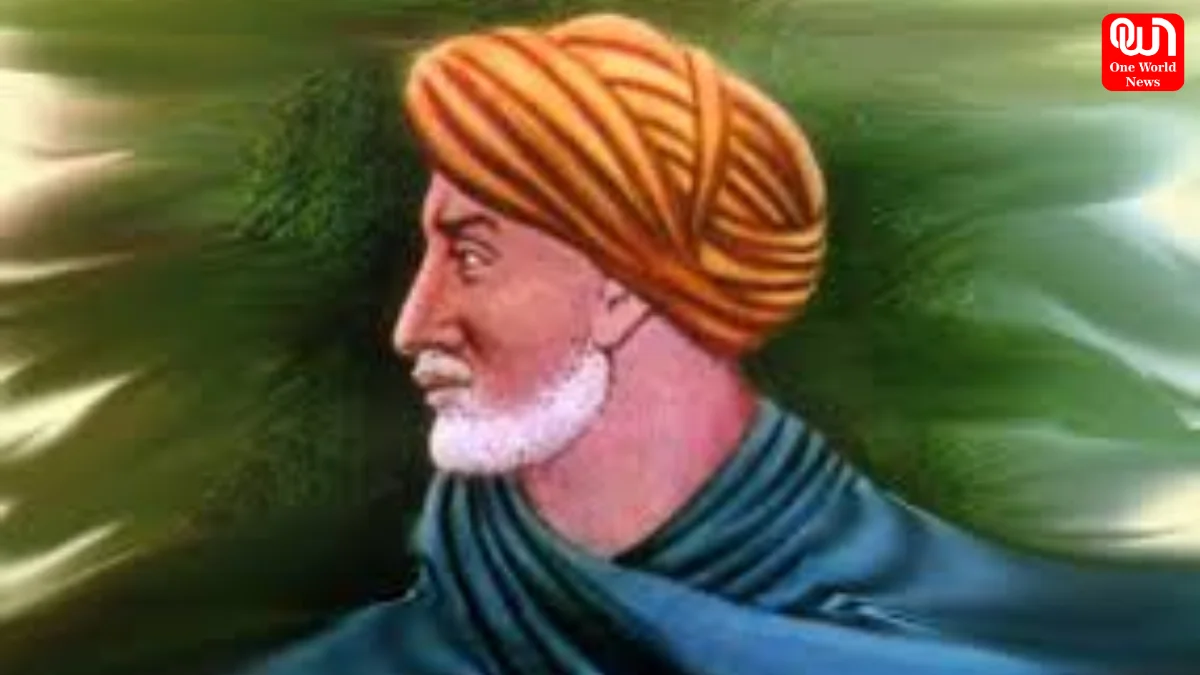
Ibn Khaldun – Father of Sociology, Author of the Muqaddimah, and the Visionary Thinker Who Explained the Rise and Fall of Civilizations Centuries Ahead of His Time
Namaskar, I am Apoorva, and today, February 25, 2026, we bring you a story of a mind so powerful… that centuries later, the world still walks in the footsteps of his thoughts.
In our History & Forgotten Legends series, we remember Ibn Khaldun — the Father of Sociology.
Born in Tunis in 1332, during a time of political turbulence in North Africa, Ibn Khaldun entered a world shaped by dynasties, tribal alliances, and shifting empires. Yet while many chronicled events, he sought to understand the forces behind them.
Read more: Uday Bhanu Chib Arrested Over Shirtless Protest at AI Summit
The Birth of a Revolutionary Thinker
Ibn Khaldun was not merely a historian; he was a visionary who transformed the study of history into a science. At a time when history was often recorded as storytelling, he insisted on analysis, logic, and cause-and-effect reasoning.
He questioned why powerful empires collapse and how small groups rise to dominance. His approach was systematic, rational, and centuries ahead of modern academic methods.
The Muqaddimah: A Masterpiece of Civilizational Theory
In 1377, Ibn Khaldun wrote his groundbreaking work, the Muqaddimah. In it, he introduced the concept of social cohesion — or asabiyyah — explaining that societies grow strong through unity and shared purpose.
He argued that civilizations rise when people are disciplined, united, and resilient. But when luxury, corruption, and complacency replace collective spirit, decline begins. This cycle of rise and fall, he explained, is natural and observable throughout history.
Today, scholars recognize this work as one of the earliest systematic studies of sociology, economics, and political science.
Understanding the Rise and Fall of Nations
Ibn Khaldun’s theories went beyond philosophy. He analyzed taxation systems, economic productivity, labor specialization, and governance structures. He observed that excessive taxation discourages productivity. He noted that ruling elites who disconnect from the people weaken their own legitimacy.
These observations continue to echo in modern governance debates. As nations today face economic challenges and social transformation, his insights remain strikingly relevant.
A Scholar with Real-World Experience
Unlike many intellectuals of his era, Ibn Khaldun was deeply involved in political life. He served as a diplomat, advisor, and judge across North African courts. This real-world exposure gave him practical insight into leadership and statecraft.
His experiences shaped his understanding that power is temporary, and that leadership must remain rooted in collective strength rather than personal luxury.
Read more: Political Roundup: Global Power Moves and Political Flashpoints
Global Recognition and Lasting Influence
Today, universities across the world teach his theories. His work is studied not only in Middle Eastern institutions but also in Western academia, where he is widely regarded as a pioneer of social sciences.
Centuries later, modern sociology, economics, and political science continue to reflect his foundational ideas. His analytical approach laid intellectual groundwork long before the formal development of these disciplines in Europe.
Across different cultures and eras, thinkers have emphasized unity and national identity as pillars of strength. In modern Indian political thought, figures such as Syama Prasad Mookerjee also highlighted themes of unity and national integrity, showing how enduring such principles are across civilizations.
Why Ibn Khaldun Still Matters Today
He was centuries ahead of his time.
In an era where nations continue to rise, struggle, and redefine themselves, Ibn Khaldun’s framework offers clarity. He teaches that civilizations are not destroyed overnight — they weaken gradually when discipline fades and collective purpose erodes.
His legacy reminds us that freedom, stability, and prosperity require constant effort. They are not permanent achievements but responsibilities passed from one generation to the next.
Today, we honor Ibn Khaldun — a legend history almost forgot, yet whose ideas continue to shape our understanding of society and power.
We’re now on WhatsApp. Click to join.
Like this post?
Register at One World News to never miss out on videos, celeb interviews, and best reads.