Air India Flight 171 crash: Italian Report Says Fuel Switch Shutdown ‘Almost Certainly’ Intentional
Air India Flight 171 crash: Italian report finds intentional fuel switch shutdown likely. Investigation reveals cause, impact, and safety questions in aviation.

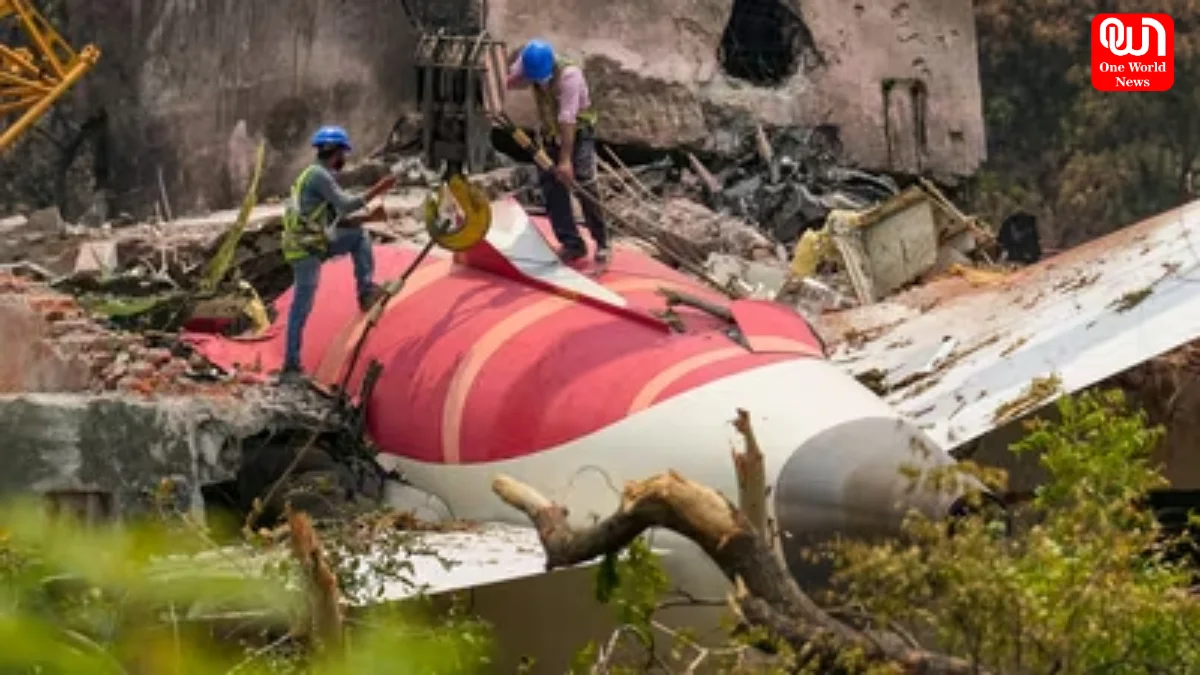
Air India Flight 171 crash – Italian Investigation Finds Intentional Fuel Switch Shutdown; New Details on Cause, Response and Safety Impacts
The Air India Flight 171 crash has taken a dramatic turn with findings from a new Italian investigation report — declaring that the aircraft’s fuel switch shutdown was ‘almost certainly intentional’, shedding unprecedented light on one of the most perplexing aviation incidents in recent memory.
The tragic crash of Air India Flight 171, a routine commercial flight that ended in disaster, left families, investigators, and aviation authorities searching for answers. While initial reports focused on technical failure and human error as possible causes, the latest Italian findings now point to deliberate action as a central factor — a conclusion that has sent shockwaves through the global aviation community.
Read more: Gurugram to Connaught Place in 20 Minutes? Inside Delhi-NCR’s Proposed Air Taxi Project
What the Italian Report Says
According to the report released by Italian aviation authorities, the shutdown of the aircraft’s fuel switch — a critical component of engine operation — was “almost certainly intentional.” This surprising conclusion challenges earlier assumptions that the malfunction might have been accidental or due to system error alone.
Investigators assert that the fuel switch shutdown could not have occurred solely due to normal mechanical issues. Instead, patterns in the flight data recorders and cockpit voice recordings indicate a sequence consistent with deliberate manipulation. This revelation not only raises troubling questions about what happened onboard but also highlights the complexity of unraveling high-profile aviation disasters.
Impact on Victims and Families
For the families of passengers and crew who lost their lives in the Air India Flight 171 crash, the Italian report represents a painful moment of clarity. While the findings may offer a clearer understanding of the cause, they also deepen the emotional toll by suggesting intentional interference with the aircraft’s systems.
Relatives of the victims have expressed a mix of relief and anguish — relief that investigators are closing in on the cause, and anguish at the possibility that something deliberate, rather than mechanical, was at the heart of the catastrophe.
What This Means for Aviation Safety
The implications of the Italian report extend far beyond this individual flight. If intentional action played a role in the fuel switch shutdown, aviation regulators around the world may need to revisit safety protocols, cockpit security measures, and crew monitoring systems.
Industry experts are calling for comprehensive reviews of aircraft operational safeguards to ensure that crucial systems cannot be manipulated in ways that jeopardize flight safety. The aviation community is now grappling with how to balance stringent technical checks with measures that safeguard against deliberate interference — whether from a crew member or external influence.
Officials Respond to Findings
In response to the report, aviation authorities and Air India representatives have pledged full cooperation with ongoing investigations. Officials are reviewing the Italian findings in depth and have acknowledged the need for increased transparency and collaboration with international partners.
Air India has also reiterated its commitment to passenger safety, stating that the airline will continue to support investigators and implement recommended safety enhancements as they emerge from the ongoing inquiry.
Larger Questions Raised by the Crash
The Air India Flight 171 crash, already one of the most scrutinized aviation accidents in recent years, has now become a focal point for discussion on flight security standards, technological safeguards, and human factors influencing aircraft operations.
While mechanical failure has long been understood as a contributing factor in many air disasters, the suggestion of intentional shutdown introduces a more complex narrative — one that requires investigators to consider motivations, procedural gaps, and cockpit dynamics in new ways.
What Comes Next
As the investigation continues, aviation authorities around the world are watching closely. Independent experts and aviation analysts are weighing in on the Italian findings, with many calling for broader reviews of cockpit procedures and checks designed to prevent unauthorized control of critical systems.
Even as investigators work to corroborate the Italian report’s conclusions, the Air India Flight 171 crash has already reshaped how industry leaders think about safety, responsibility, and accountability in aviation. Whether future findings confirm or refine the report’s claims, one thing is clear — the crash will leave a lasting impact on aviation protocols and public expectations of flight security.
We’re now on WhatsApp. Click to join.
Like this post?
Register at One World News to never miss out on videos, celeb interviews, and best reads.