Cancer Drugs in India May Get 20–70% Cheaper as NPPA Approves Price-Cutting Move
NPPA approves a 30% trade margin cap on cancer medicines in India, potentially cutting prices by 70% and improving medicine affordability.

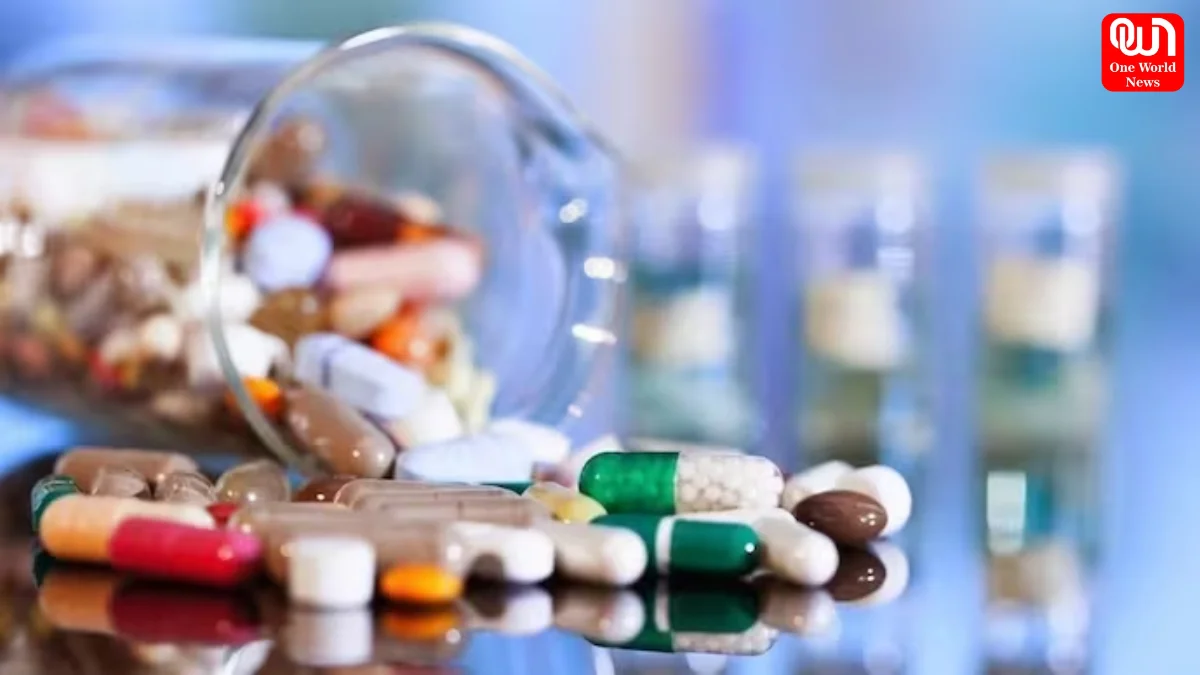
Cancer Medicines in India May Become 20–70% Cheaper as NPPA Approves 30% Trade Margin Cap to Reduce Healthcare Costs and Improve Medicine Affordability
Cancer treatment in India could become more affordable following a major government move to control the prices of selected cancer medicines. On October 8, 2026, the National Pharmaceutical Pricing Authority (NPPA) approved a proposal to cap trade margins on identified non-scheduled anti-cancer drugs at 30% of their maximum retail price (MRP). The measure is expected to reduce the prices of affected medicines by approximately 20% to 70%, depending on their existing pricing structures.
The government estimates that the initiative could help patients save around ₹2,500 crore annually. The decision is an important step towards improving medicine affordability, addressing excessive markups and reducing the financial pressure on cancer patients and their families.
What Is the NPPA’s New Drug Pricing Decision?
The NPPA is India’s regulatory authority responsible for implementing pharmaceutical pricing policies under the Drugs (Prices Control) Order, 2013. Its latest decision focuses on controlling excessive trade margins associated with selected non-scheduled anti-cancer medicines.
According to reports, the authority’s analysis found that some non-scheduled cancer medicines carried average trade markups of approximately 170%, with certain cases reaching as high as 700%.
Under the proposed intervention, trade margins on identified medicines will be restricted to 30% of the MRP. The measure aims to reduce the gap between the price at which medicines enter the retail supply chain and the price patients ultimately pay.
The final list of medicines covered by the initiative is to be determined through an expert committee under the Directorate General of Health Services (DGHS).
How Much Cheaper Could Cancer Medicines Become?
The proposed trade margin cap could result in price reductions ranging from 20% to 70% for affected anti cancer drugs. However, the actual reduction will depend on the existing trade margins and the pricing structure of each medicine.
The government expects the initiative to generate approximately ₹2,500 crore in annual savings for patients. This could provide meaningful relief to households that spend substantial amounts on cancer treatment, particularly when medication is required over an extended period.
It is important to note that the projected savings do not mean every cancer medicine will become 70% cheaper. The expected reduction applies to covered medicines and will vary according to individual pricing conditions.
Read more: 9 October Veronica Gold and Silver Update
Why Are Cancer Treatment Costs a Major Concern?
Cancer treatment often involves several expenses, including diagnostic tests, hospitalisation, surgery, chemotherapy, radiation therapy and long-term medication. For many patients, the recurring cost of medicines becomes a significant financial challenge.
High medicine prices can force families to use their savings, borrow money or make difficult decisions about treatment expenses. Differences in pricing across pharmacies, hospitals and online medicine providers can also make it difficult for patients to identify the most affordable options.
The latest drug pricing intervention seeks to address these concerns by limiting excessive trade markups and improving transparency in medicine prices.
What Is a Trade Margin Cap and How Does It Work?
A trade margin is the difference between the price at which a medicine is purchased within the supply chain and the price at which it is sold, subject to the applicable pricing framework.
A trade margin cap limits how much can be added through the relevant distribution and retail stages. By controlling excessive margins, the government aims to prevent medicine prices from rising disproportionately before they reach patients.
The new policy is intended to cover identified non-scheduled cancer medicines, including eligible branded and generic products, as well as domestic and imported medicines. The precise scope will depend on the final implementation and list of covered products.
What Does This Mean for Patients and Pharmaceutical Companies?
For patients, the move could mean lower medicine bills, reduced out-of-pocket expenditure and better access to prescribed cancer treatments. Families managing long-term treatment may benefit from savings that accumulate over several months.
For pharmaceutical companies, distributors, retailers and hospitals, the intervention could require changes to pricing practices and supply-chain margins. The government has also emphasised the importance of maintaining medicine availability so that price reductions do not disrupt access to essential treatments.
The impact will depend on how effectively the revised pricing rules are implemented and whether the savings are reflected in the prices charged to patients.
Previous NPPA Action Offers an Important Example
India has previously used trade margin rationalisation to make cancer medicines more affordable. In 2019, the NPPA imposed a 30% trade margin cap on 42 selected non-scheduled anti-cancer medicines.
According to government information, the earlier intervention reduced the prices of more than 500 brands by an average of approximately 50%, generating estimated annual savings of around ₹984 crore.
This experience provides a reference point for the latest initiative, although the results of the new measure will depend on the medicines covered, their existing prices and the effectiveness of enforcement.
Read more: Bypoll Results 2026: BJP Leads In Nandigram, Rejinagar, Vijay’s TVK Ahead In Tamil Nadu
Conclusion
The NPPA’s latest decision marks a significant development in India’s efforts to improve access to affordable cancer treatment. By introducing a 30% trade margin cap on identified non-scheduled anti-cancer medicines, the government expects to reduce prices by 20% to 70% and save patients approximately ₹2,500 crore annually.
While the move could ease the financial burden on thousands of families, its overall success will depend on the final list of medicines, effective implementation and continued availability of treatments. Greater transparency in pharmaceutical pricing, combined with sustained efforts to control healthcare costs, will remain essential to making cancer care more accessible across India.
We’re now on WhatsApp. Click to join.
Like this post?
Register at One World News to never miss out on videos, celeb interviews, and best reads.