Abanindranath Tagore: The Man Who Painted India Back to Itself
Abanindranath Tagore revived Indian art under colonial rule, founding the Bengal School and restoring India’s cultural identity through painting.

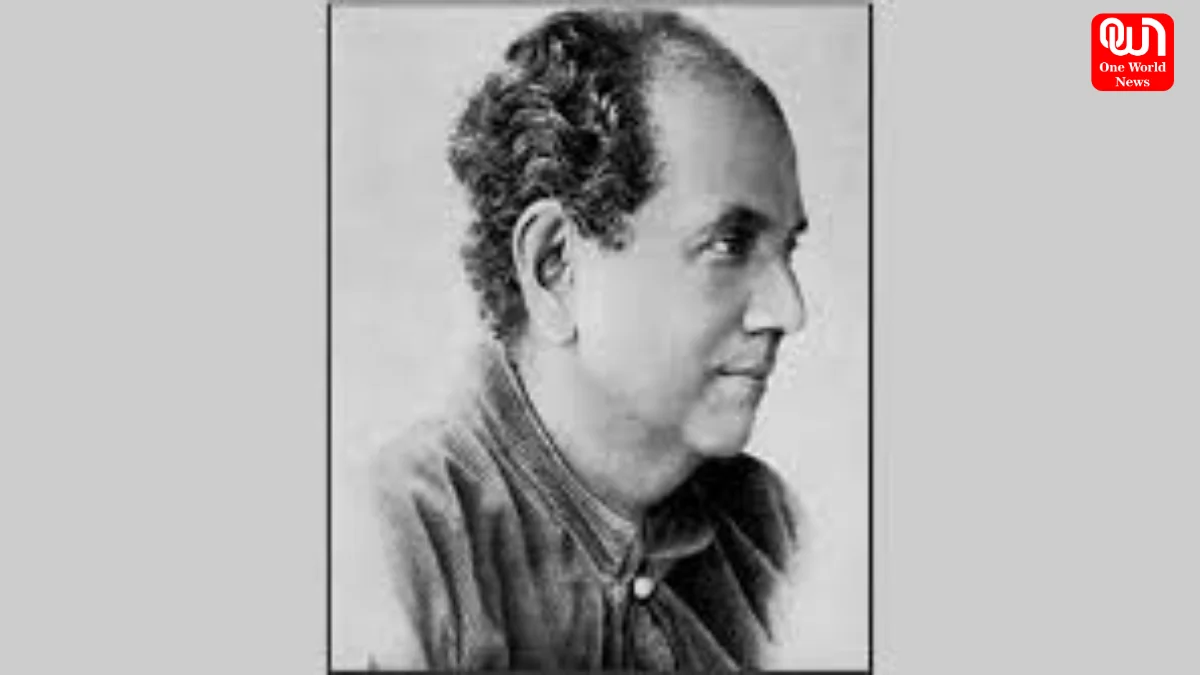
Abanindranath Tagore: The Artist Who Painted India’s Soul and Revived Its Cultural Identity
History often remembers wars, rulers, and revolutions of power. But some revolutions are quiet — born not on battlefields, but on canvases. One such silent yet transformative revolution was led by Abanindranath Tagore, the artist who helped India rediscover its soul through art.
Born in 1871, during a time when colonial influence threatened to erase India’s artistic identity, Abanindranath Tagore emerged as a cultural force who refused to let Indian art become a mere imitation of the West. At a time when European realism dominated art education, he chose a different path — one rooted in emotion, spirituality, and indigenous traditions.
A Time of Cultural Crisis
Colonial rule did not only govern land; it reshaped tastes, education, and aesthetics. Indian artists were encouraged to adopt Western techniques and abandon their own traditions. Ancient styles, miniature paintings, and spiritual themes were dismissed as outdated.
Abanindranath Tagore recognized this erosion of identity early. He believed that art was not just decoration — it was memory, belief, and cultural expression. Rather than copying Western realism, he turned inward, drawing inspiration from Indian mythology, Mughal miniatures, and Asian artistic traditions.
His choice was radical for its time.
Read more: Political Roundup: Today’s Key Developments Shaping Global Politics
Founder of the Bengal School of Art
Abanindranath Tagore became the founder of the Bengal School of Art, a movement that reshaped Indian art in the early 20th century. The Bengal School rejected rigid realism and instead emphasized softness, symbolism, and spiritual depth.
This movement was not only artistic but deeply nationalistic. Through art, it sought to reclaim India’s cultural confidence at a time when political freedom was still a distant dream. Paintings became acts of resistance — quiet yet powerful assertions of identity.
Bharat Mata: Art as a National Symbol
Among Abanindranath Tagore’s many works, one painting stands above the rest — “Bharat Mata.” This iconic image depicted India as a serene, saffron-clad mother figure, holding objects symbolizing knowledge, spirituality, and sustenance.
“Bharat Mata” was not just a painting.
It was a prayer.
A promise.
A vision of freedom before freedom arrived.
In an era when India struggled to articulate its aspirations, this image spoke without words. It transformed nationalism into something emotional and deeply human.
Teaching a Generation to See Differently
Abanindranath Tagore’s influence extended far beyond his own canvas. As a teacher and mentor, he inspired an entire generation of artists, including Nandalal Bose and Asit Haldar. Under his guidance, classrooms became spaces of cultural awakening.
He taught artists to see India not through colonial eyes, but through their own. Mythology, folklore, nature, and spirituality were no longer subjects of the past — they became living sources of artistic expression.
Through education, Abanindranath Tagore ensured that his vision would outlive him.
A Legacy That Faded Too Quietly
Despite his immense contribution, Abanindranath Tagore’s name rarely finds prominence outside textbooks and art circles today. There are no grand statues or mass commemorations. His legacy lives quietly — in museums, in academic discussions, and in the foundations of Indian art education.
This silence is not a reflection of insignificance, but of how easily cultural pioneers are forgotten when history focuses only on louder narratives.
Read more: Ambala Man Arrested for Leaking Air Force Secrets to ISI After Honeytrap
Why Remembering Him Matters
Remembering Abanindranath Tagore is not merely an act of nostalgia. It is an act of gratitude. His work reminds us that freedom is not only political — it is cultural, emotional, and spiritual.
He did not fight with weapons.
He fought with brushes.
He did not shout slogans.
He painted identities.
A Question for Our Time
As we reflect on his legacy, one question remains: how many more legends like Abanindranath Tagore are waiting to be remembered?
History is incomplete when it forgets those who shaped the soul of a nation.
Abanindranath Tagore did not just paint pictures —
he painted India’s identity.
And that is a legacy worth remembering.
We’re now on WhatsApp. Click to join.
Like this post?
Register at One World News to never miss out on videos, celeb interviews, and best reads.