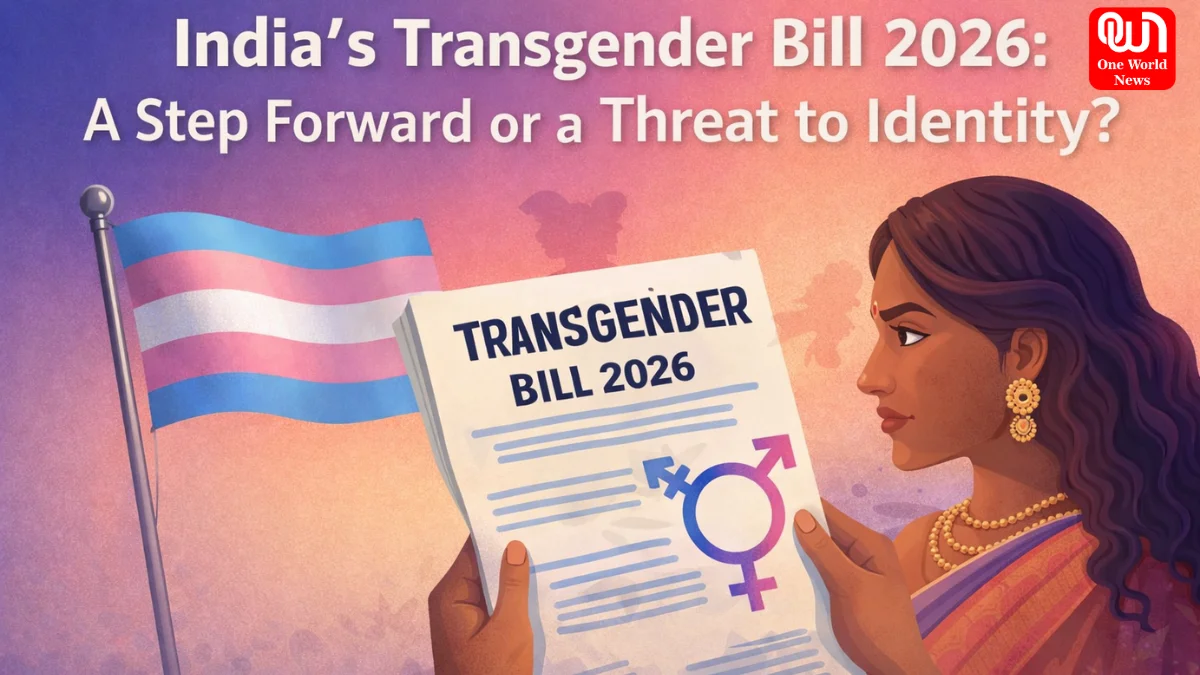
India’s Transgender Bill 2026: A Step Forward or a Threat to Identity?
As the nation evaluates reform versus risk, mounting voices caution that the reforms may damage identity and long-fought rights.

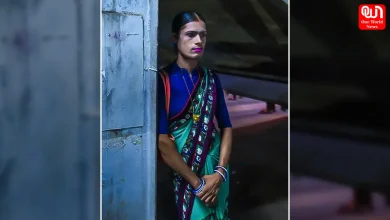
A silent anxiety is growing within India’s transgender community—but it’s beginning to be voiced. From the streets of Bengaluru to groups in Tripura, and in both legal arenas and grassroots organizations, a surge of opposition is emerging against the proposed Transgender Amendment Bill, 2026. For numerous individuals, this fight goes beyond mere legislation. It relates to who they are. It is about their very existence. Central to the worry is one profoundly personal matter: the right to self-identification.
For many years, after the groundbreaking NALSA ruling in 2014, transgender people in India were granted the legal right to self-identify their gender, without needing invasive verification. That decision represented not just legal advancement; it was also a significant affirmation of dignity. It conveyed a powerful message: you understand your identity better than anyone else. Currently, there is growing concern that this progress is being reversed.
“We fought to be seen. Now we’re being redefined.”
The proposed bill presents modifications that activists claim could limit the criteria for identifying as transgender. Opponents contend that it threatens to omit many individuals who do not conform to strict or medicalized concepts of identity. Activists in various cities have reached out to Narendra Modi, imploring the government to reassess the situation. Their message is unequivocal: this legislation does not offer protection—it imposes restrictions.
In Tripura, LGBTQ+ representatives even engaged with the Governor, seeking the complete abandonment of the amendment. In Bengaluru, activists have expressed concerns that these changes could undo years of advancement achieved through legal struggles and personal experiences.
More Than Law — It’s About Lived Reality
For those not part of the community, legal terminology can seem distant. However, for
transgender people, these phrases represent daily experiences:
● Will I have the ability to obtain healthcare without being interrogated?
● Will my identity be honored in official paperwork?
● Will I need to “prove” my identity—yet again?
These are not theoretical concerns; they are very personal.
Numerous activists describe the legislation as “erasure”—a powerful term that conveys the
emotional significance of what is at stake. Because when identity is defined too narrowly,
individuals who do not conform to that definition face the risk of being marginalized—both
legally and socially.
A Step Back from Progress?
Legal experts are also questioning whether the bill aligns with constitutional principles like
equality, dignity, and personal liberty.
The original Transgender Persons (Protection of Rights) Act faced criticism. However, many
argue that this amendment goes further and may undermine the spirit of inclusion promised
after the NALSA judgment.
Instead of expanding rights, critics say, the bill may be tightening control.
Read More: OWN Exclusive: Interview With Designer Akassh k aggarwal
The Emotional Core of the Resistance
Right now, it’s not simply opposition that stands out, but the emotion that behind it.
Exhaustion is obvious. Frustration is there.
Above all, though, there is a deep sentiment of being ignored.
For a community that has already fought long battles—for recognition, for respect, for basic
human rights—this feels like starting over.
One activist put it this way:
“Special rights are not what we are requesting. We are requesting that the ones we now have
not be lost.
What Happens Next?
Policymakers are under increasing pressure as talks go on. Legal voices, friends, and
communities are urging discussion rather than making decisions without consulting those who
will be most impacted.
Because policy isn’t the only issue here.
It has to do with whether a nation decides to advance with compassion or return to exclusion.
Closing Line:
The question today is whether a country that once assured its transgender individuals that “you
are visible” will continue to uphold that promise.
We’re now on WhatsApp. Click to join.
Like this post?
Register at One World News to never miss out on videos, celeb interviews, and best reads.