
World Seagrass Day 2026: Protecting the Ocean’s Silent Guardians
World Seagrass Day 2026 highlights the vital role of seagrass in marine life, climate protection, and coastal ecosystems worldwide.

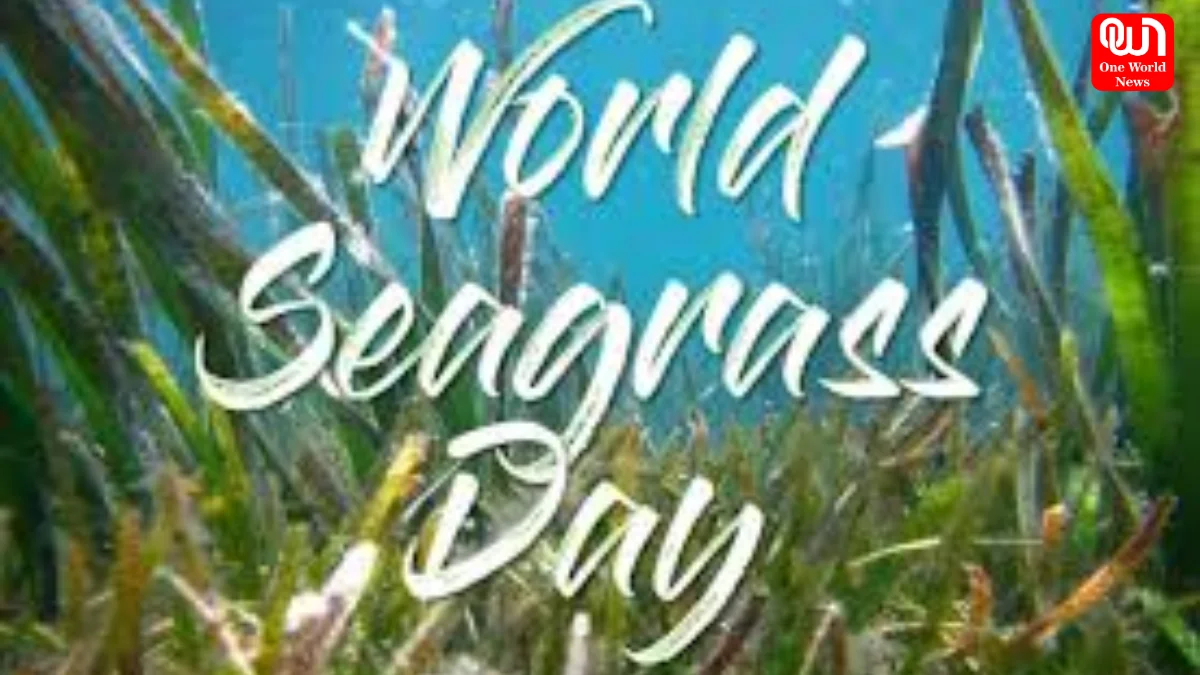
World Seagrass Day 2026: Why Protecting Ocean Meadows Is Crucial for Climate and Marine Life
World Seagrass Day 2026, observed on March 1, draws global attention to one of the most overlooked yet vital ecosystems on Earth — seagrass meadows. Often mistaken for seaweed, seagrass is a flowering marine plant that plays a critical role in maintaining ocean health, supporting biodiversity, and fighting climate change.
Despite covering less than 0.2 percent of the ocean floor, seagrass ecosystems punch far above their weight in ecological importance.
What Is Seagrass and Why It Matters
Seagrass is a group of marine plants that grow in shallow coastal waters across the world. These underwater meadows provide shelter, food, and breeding grounds for countless marine species, including fish, turtles, seahorses, and crustaceans.
Healthy seagrass beds act as nurseries for many commercial fish species, making them essential not only for biodiversity but also for global food security and coastal livelihoods.
World Seagrass Day 2026 emphasizes that protecting seagrass is not just an environmental issue — it is an economic and social one as well.
A Powerful Weapon Against Climate Change
One of the most remarkable qualities of seagrass is its ability to capture and store carbon. Seagrass meadows can absorb carbon dioxide up to 35 times faster than tropical rainforests, storing it in sediments for centuries.
This process, known as blue carbon storage, makes seagrass a powerful natural ally in the fight against climate change. When seagrass is damaged or destroyed, stored carbon is released back into the atmosphere, accelerating global warming.
By highlighting this role, World Seagrass Day 2026 reinforces the urgent need to protect and restore these fragile ecosystems.
Read more: Inside Mary Kom Divorce: From Private Separation to Public Battle
Protecting Coastlines and Communities
Seagrass also acts as a natural barrier against coastal erosion. Its roots stabilize the seabed, reducing wave energy and protecting shorelines from storms and rising sea levels.
For coastal communities, especially in developing regions, healthy seagrass meadows mean safer coastlines, stronger fisheries, and greater resilience to climate-related disasters.
The loss of seagrass can leave coastlines vulnerable, threatening homes, livelihoods, and ecosystems alike.
Threats Facing Seagrass Ecosystems
Despite their importance, seagrass meadows are disappearing at an alarming rate. Pollution, coastal development, dredging, unsustainable fishing practices, and climate change have contributed to widespread degradation.
Poor water quality caused by agricultural runoff and sewage blocks sunlight, which seagrass needs to survive. Rising sea temperatures and ocean acidification further stress these sensitive plants.
World Seagrass Day 2026 serves as a global reminder that human activity is closely linked to the survival of these underwater habitats.
Global Efforts to Save Seagrass
In recent years, governments, scientists, and environmental organizations have begun recognizing the value of seagrass conservation. Restoration projects, marine protected areas, and community-led conservation efforts are being implemented in many coastal regions.
The United Nations designated World Seagrass Day to encourage international cooperation, research, and policy action aimed at reversing seagrass loss. Education and awareness are central to these efforts, helping people understand why seagrass matters.
How Individuals Can Help
Protecting seagrass does not rest solely with policymakers. Individuals can contribute by supporting sustainable seafood choices, reducing plastic waste, and advocating for cleaner waterways.
Responsible boating practices, such as avoiding anchoring in seagrass areas, also help prevent physical damage to these ecosystems. Small actions, when multiplied globally, can make a meaningful difference.
World Seagrass Day 2026 encourages everyone to recognize their role in protecting the oceans.
Read more: Delhi-NCR Shivers as Temperature Falls to 3°C, Dense Fog Triggers IMD Alert
Why World Seagrass Day Matters
Seagrass may grow quietly beneath the waves, but its impact is profound. It supports marine life, strengthens coastlines, stores carbon, and sustains communities. Yet its survival depends on awareness, protection, and action.
World Seagrass Day 2026 is a call to look beneath the surface and value what is often unseen. By protecting seagrass today, we safeguard the health of oceans — and the future of life that depends on them.
In a changing climate, these underwater meadows are not optional. They are essential.
We’re now on WhatsApp. Click to join.
Like this post?
Register at One World News to never miss out on videos, celeb interviews, and best reads.