
Pluto Day 2026: Honoring the Most Controversial World in Space
Pluto Day 2026 celebrates the discovery of Pluto and its lasting impact on space science, planetary classification, and cosmic curiosity.

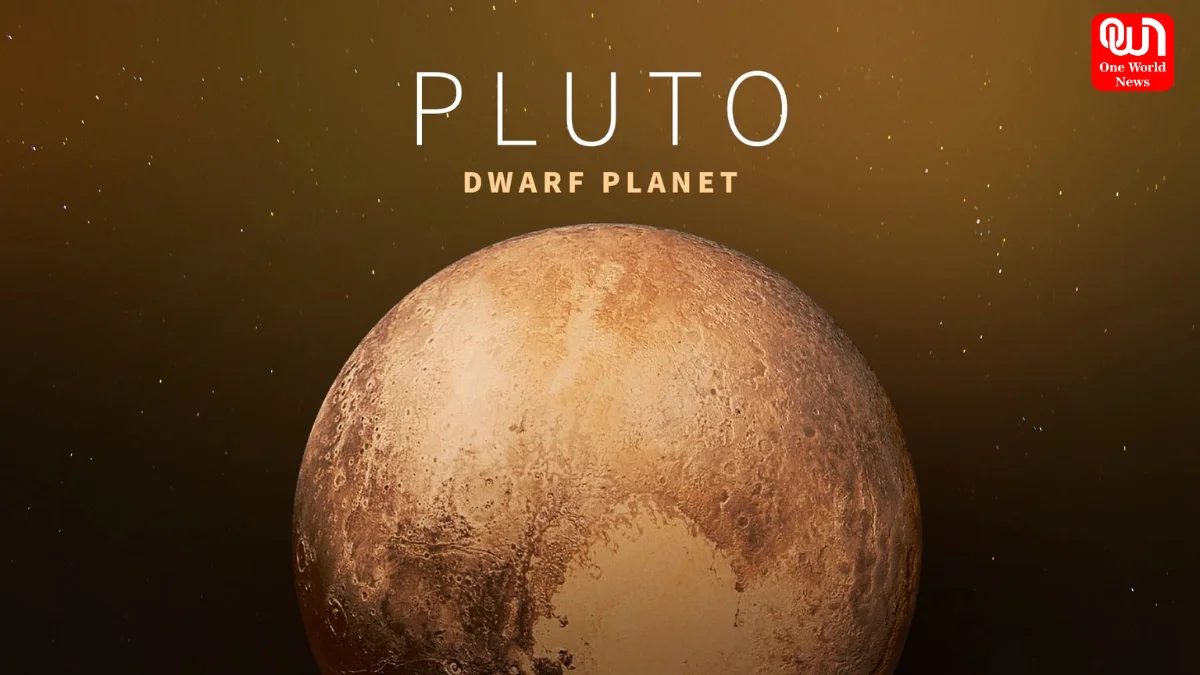
Pluto Day 2026: Celebrating the Dwarf Planet That Changed How We Understand the Solar System
Pluto Day 2026, observed on March 13, marks the anniversary of the discovery of Pluto and honors one of the most fascinating and debated objects in our solar system. Though small and distant, Pluto has played a massive role in reshaping how scientists and the public understand planets, space classification, and the evolving nature of science itself.
Pluto Day is not just about a celestial body — it is about curiosity, discovery, and the willingness to rethink what we believe we know.
Read more: Yash Birthday 2026: Date, Journey, and Why Fans Celebrate Him Worldwide
The Discovery That Captured the World
Pluto was discovered in 1930 after years of searching for a mysterious object believed to be influencing the orbits of other planets. Its discovery was celebrated globally, and Pluto was quickly embraced as the ninth planet of the solar system.
For decades, Pluto held a special place in textbooks, classrooms, and popular culture. Its distant orbit and icy nature made it mysterious, and generations grew up memorizing it as the final planet circling the Sun.
Pluto Day 2026 commemorates this historic moment in scientific discovery.
Why Pluto Sparked a Scientific Debate
As technology improved, astronomers began discovering other objects similar to Pluto beyond Neptune. These findings raised an important question: what truly defines a planet?
In 2006, Pluto was reclassified as a dwarf planet after scientists introduced clearer criteria for planetary status. This decision sparked public debate and emotional reactions worldwide. For many, Pluto’s “demotion” felt personal, while for scientists, it represented progress and precision.
Rather than diminishing Pluto’s importance, the debate made it more famous than ever.
What Makes Pluto So Unique
Despite its size, Pluto is a complex and dynamic world. It has mountains made of ice, vast plains, thin atmospheres, and multiple moons. Its orbit is tilted and elliptical, unlike the more orderly paths of the major planets.
Pluto’s surface features and seasonal changes challenge assumptions about what distant worlds can be like. These characteristics make it one of the most intriguing objects studied in modern astronomy.
Pluto Day 2026 celebrates these discoveries and the scientific breakthroughs that revealed Pluto’s true complexity.
Pluto’s Role in Modern Space Exploration
Exploration missions provided humanity’s first close-up views of Pluto, revealing details far beyond expectations. Scientists were surprised to find signs of geological activity, suggesting Pluto is not a frozen, lifeless rock but an active and evolving world.
These discoveries expanded understanding of the outer solar system and opened new questions about how planetary bodies form and change over time.
Pluto has become a symbol of how exploration often leads to more questions than answers — and why that is a good thing.
Why Pluto Still Matters
Pluto’s reclassification sparked widespread discussion about science education and public understanding. It demonstrated that science is not static; it evolves as new evidence emerges.
Pluto Day 2026 highlights this lesson. Pluto matters not because of its label, but because of what it teaches about discovery, debate, and the scientific process.
It also reminds us that even distant objects can influence how we see our place in the universe.
How Pluto Day Is Celebrated
On Pluto Day, science organizations, educators, and space enthusiasts share facts, discussions, and educational content about Pluto and dwarf planets. Schools use the occasion to explain planetary science and encourage curiosity among students.
Online platforms play a major role, with people sharing trivia, artwork, and personal memories connected to Pluto. The day often sparks renewed interest in astronomy, especially among young learners.
Pluto Day 2026 is both educational and nostalgic — blending scientific learning with cultural memory.
Pluto in Popular Culture
Few celestial objects have captured public imagination like Pluto. It has appeared in cartoons, books, debates, and campaigns advocating for its planetary status. This cultural presence has helped keep astronomy accessible and engaging.
Pluto’s story shows how science can connect emotionally with people, turning distant objects into shared symbols of curiosity.
Read more: Sara Arjun Brings Mughal-Era Lampi Work to Life in Dhurandhar
Looking to the Future
As space exploration advances, Pluto will continue to be studied through new data, improved models, and future missions. Each discovery adds depth to our understanding of the solar system’s outer regions.
Pluto Day 2026 is a reminder that science thrives on questioning, revision, and exploration. Pluto may be small, but its impact on astronomy is enormous.
In celebrating Pluto, we celebrate the spirit of discovery itself — proof that even at the edge of our solar system, there are stories worth telling and mysteries waiting to be explored.
We’re now on WhatsApp. Click to join.
Like this post?
Register at One World News to never miss out on videos, celeb interviews, and best reads.