5 Benefits of Gardening for Mental Health: How Nature Boosts Your Mood
Gardening for Mental Health helps reduce stress, improve mood, boost focus, and build emotional well-being through simple daily interaction with nature.

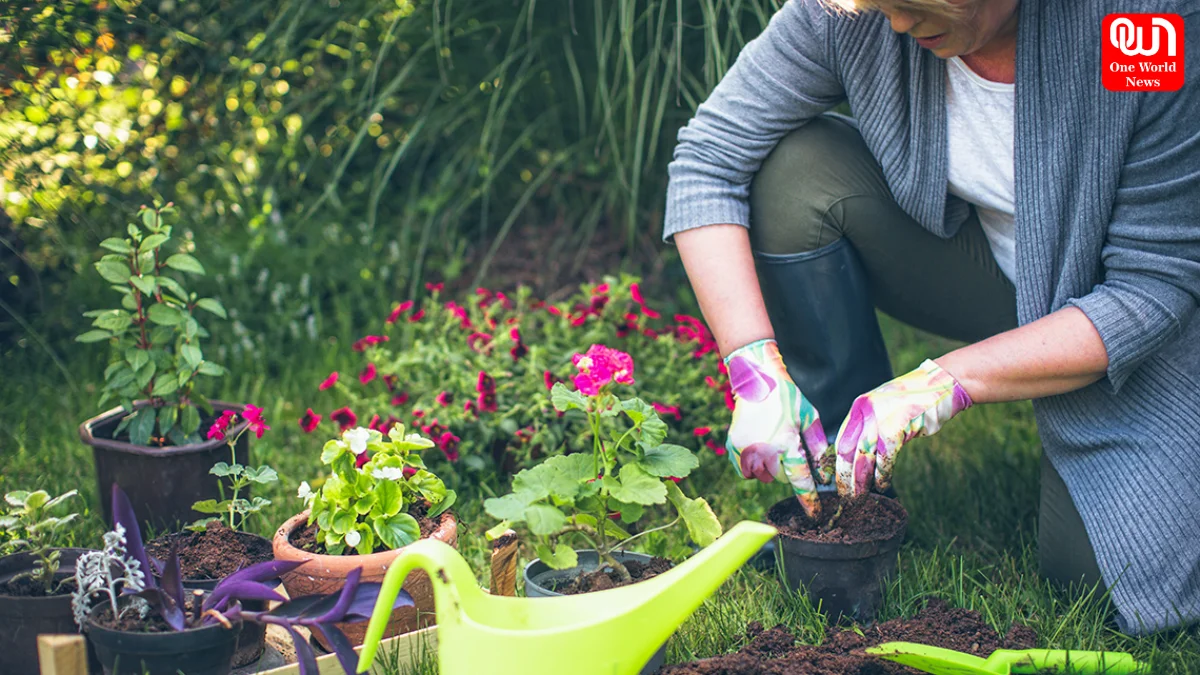
5 Benefits of Gardening for Mental Health: How Nature, Plants, and Green Spaces Improve Emotional Well-Being
March 6, 2026 — Interest in Gardening for Mental Health has grown rapidly in recent years as more people seek natural ways to reduce stress and improve emotional well-being. Research shows that spending time with plants and green spaces can positively affect mood, reduce anxiety, and support overall psychological health.
Gardening is not just a relaxing hobby; it is increasingly recognized as a therapeutic activity. Mental health professionals and researchers often refer to this approach as horticultural therapy, where working with plants helps people cope with stress, depression, and other emotional challenges.
From planting seeds to nurturing flowers and vegetables, gardening offers a unique combination of physical activity, mindfulness, and connection with nature. Here are five powerful benefits of Gardening for Mental Health that explain why this simple activity can significantly boost your mood.
1. Reduces Stress and Anxiety
One of the most widely recognized benefits of Gardening for Mental Health is its ability to reduce stress and anxiety. Spending time in nature has a calming effect on the mind, helping people disconnect from daily worries and focus on the present moment.
Activities like watering plants, digging soil, and pruning leaves create a gentle rhythm that encourages relaxation. Studies have shown that gardening can lower stress levels and ease symptoms of anxiety by promoting mindfulness and engagement with nature.
This process allows the brain to slow down and release tension, making gardening an effective way to unwind after a busy or stressful day.
2. Improves Mood and Emotional Well-Being
Another major advantage of Gardening for Mental Health is its ability to boost mood. Being surrounded by greenery and natural beauty stimulates positive emotions and encourages feelings of happiness and satisfaction.
Research indicates that gardening activities can reduce symptoms of depression and increase overall well-being.
The simple act of nurturing a plant and watching it grow can create a sense of joy and accomplishment. Over time, these small positive experiences contribute to improved emotional resilience and mental balance.
3. Encourages Mindfulness and Focus
Modern lifestyles often involve constant digital distractions, which can make it difficult to focus or stay present. Gardening provides a natural way to practice mindfulness.
When you garden, your attention shifts to sensory experiences — the smell of soil, the texture of leaves, the colors of flowers, and the sound of birds. This focus helps the mind stay grounded in the present moment.
Practicing mindfulness through Gardening for Mental Health can help reduce overthinking and negative thought patterns, allowing the brain to rest and reset.
Read more: What Healthcare Facilities Need to Know Before Buying an MRI Machine
4. Boosts Self-Esteem and Sense of Achievement
Gardening also strengthens self-confidence and self-esteem. Growing plants requires patience, care, and commitment. When those efforts lead to blooming flowers or a successful harvest, the sense of accomplishment can be deeply rewarding.
This feeling of achievement plays an important role in mental well-being. Studies show that gardening can improve life satisfaction and increase feelings of competence and purpose.
For individuals dealing with stress, loneliness, or burnout, even small successes in gardening can provide motivation and renewed confidence.
5. Promotes Social Connection and Community
While gardening can be a peaceful solo activity, it also has strong social benefits. Community gardens and shared green spaces encourage interaction and collaboration among neighbors and friends.
Working together in a garden allows people to exchange ideas, share produce, and build meaningful relationships. Research has found that community gardening can improve both mental and social well-being by fostering a sense of belonging and connection.
These social bonds can be especially valuable for people experiencing isolation or emotional stress.
Why Gardening Is Becoming a Natural Therapy
As mental health awareness continues to grow, many experts now recognize Gardening for Mental Health as a valuable complementary approach to traditional therapy.
Unlike many treatments, gardening is accessible, affordable, and suitable for people of all ages. Whether it’s a small balcony garden, a backyard vegetable patch, or a few indoor plants, interacting with greenery can offer powerful psychological benefits.
Gardening combines physical movement, exposure to nature, creative expression, and emotional satisfaction — all elements known to support mental well-being.
read more: Baisakhi 2026: Date, History, Significance and Celebrations in India
Final Thoughts
In a fast-paced digital world, reconnecting with nature can provide much-needed balance. The growing popularity of Gardening for Mental Health highlights how simple, everyday activities can have profound psychological benefits.
By reducing stress, improving mood, strengthening focus, boosting confidence, and fostering social connections, gardening offers a natural path toward emotional wellness.
Sometimes, the best therapy isn’t found in a clinic — it’s found in the soil, the sunlight, and the quiet joy of watching something grow.
We’re now on WhatsApp. Click to join.
Like this post?
Register at One World News to never miss out on videos, celeb interviews, and best reads.